Best Polyphenol Rich Olive Oil
What's inside
As an Amazon Associate I earn from qualifying purchases. This post may contain affiliate links at no extra cost to you.
High-polyphenol olive oil has become a category that rewards careful comparison and punishes impulse buys. The labels promise heart and brain benefits, but the actual polyphenol concentration can vary by a factor of three or more from one bottle to the next, and the price gap between a $12.95 option and a $48.47 option is rarely justified by measured content alone.
What separates a worthwhile bottle from an overpriced one comes down to published polyphenol figures, third-party verification, harvest freshness, and whether the packaging actually protects the compounds you are paying for. This roundup compares eight bottles on those published specs, listed prices, and recurring themes in owner feedback to help you find a real match for your health goal and your budget in 2026.
As an Amazon Associate we earn from qualifying purchases at no extra cost to you.



Our Top Picks
 Desert Miracle Organic Extra Virgin Olive Oil17 Fl Oz (Pack of 1)2.5 x 2.5 x 13 Inches1.1 poundsCheck on Amazon
 Mina Moroccan Olive Oil Extra Virgin 16.9 Fl16.9 Fl Oz (Pack of 1)2.25 x 2.25 x 10 inches1.1 poundsCheck on Amazon


Quick Picks
| Product | Best for | Price |
|---|---|---|
| Atlas Organic EVOO 1 L | Best value per ounce | $27.94 |
| Atlas Organic EVOO 750 mL | Daily cooking use | $22.94 |
| Atlas Organic EVOO 500 mL | Trial size | $20.42 |
| Desert Miracle 17 fl oz | Starter single bottle | $24.13 |
| OLIVIE PLUS 30X 250 ml | Maximum concentration | $31 |
| Mina Moroccan 500 ml | Budget pick | $12.95 |
| OLIVEA Ultra High Phenolic 500 ml | Hydroxytyrosol focus | $45 |
| WellEatable High 16.9 fl oz | Drinking and finishing | $48.47 |
How We Picked
We evaluated each bottle on four criteria: published polyphenol concentration (mg/kg), price per fluid ounce as a value signal, third-party testing or clinical backing, and packaging design that limits oxidation after opening. Bottles with vague “high polyphenol” claims and no number lost priority, while products that pair a stated concentration with a testable acidity figure moved up the list.
The 8 Best Polyphenol Rich Olive Oil in 2026
Atlas Organic Extra Virgin Olive Oil, Moroccan, High Polyphenol, 1 L
For anyone committed to a daily polyphenol habit who wants the lowest cost per milliliter in this lineup, the 1-liter Atlas is the obvious math winner. The Moroccan origin means a peppery, robust profile that holds up in roasted vegetables and salad dressings alike. Owners consistently note the dark glass bottle and tight pour spout as practical touches that reduce waste and light exposure.
- Lowest price per ounce across all eight products
- Organic-certified, single-origin Morocco
- 1 L volume means you finish before the polyphenols degrade significantly
Skip it if you are still deciding whether olive oil with a bold taste suits your palate; a smaller bottle is cheaper to risk.
Atlas Organic Extra Virgin Olive Oil, Moroccan, High Polyphenol, 750 mL
The 750 mL hits the middle ground between value and manageability. It is the size most reviewers find themselves repurchasing after trying the larger bottle, because it fits a two-to-three-week rotation without the tail-end oxidation some owners report in the 1-liter. The peppery bite is the same robust Moroccan character, making it ideal for finishing dishes where you want the polyphenol bitterness to register as a flavor feature.
- Balanced price for households of one or two
- Organic, high-polyphenol, single-origin Morocco
- Slightly higher per-ounce cost than the 1-liter
Skip it if you already know you will finish a liter comfortably; you will pay more per ounce for no added benefit.
Atlas Organic Extra Virgin Olive Oil, Moroccan, High Polyphenol, 500 mL
This is the entry point. If you have never tasted high-polyphenol olive oil before, the 500 mL Atlas lets you test whether the peppery, sometimes tingling throat finish is appealing without committing twenty-seven dollars to a liter you might pour down the sink. Owner feedback on the smaller size is overwhelmingly positive for first-time users, though some note the per-ounce premium stings a little.
- Lowest dollar outlay for the Atlas line
- Good trial size for skeptical or new buyers
- Highest per-ounce cost among the three Atlas sizes
Skip it if you already use olive oil daily and want value; go straight to the 1 L.
Desert Miracle Organic Extra Virgin Olive Oil, High Polyphenol, 17 fl oz
Desert Miracle occupies the practical middle of the price range with a generous 17-ounce bottle. Owners praise the milder, smoother taste compared to aggressively peppery oils, which makes it a good bridge product for someone transitioning from supermarket olive oil. The organic certification and “high polyphenol” claim are backed by a published acidity figure that is competitive within the category.
- Smooth flavor profile suits finishing and light cooking
- Good mid-range price for the volume
- Polyphenol concentration is not stated as a specific mg/kg figure
Skip it if you need a hard polyphenol number on the label for a clinical or therapeutic reason.
OLIVIE PLUS 30X Organic High Polyphenol Extra Virgin Olive Oil, 250 ml
The “30X” branding signals a concentrated format intended for spoonfuls rather than cooking. The 250 ml size reinforces that positioning—you are buying a daily supplement-style product, not a pantry staple. Owner reviews highlight the noticeably intense pepper hit and the convenience of the small dropper-cap bottle. It is one of the few here that frames itself squarely as a functional dose.
- Purpose-built concentrated format for measured intake
- Compact and portable
- Expensive per ounce; impractical for cooking
Skip it if you want a versatile kitchen oil that doubles as a polyphenol source; this is a specialist product.
Mina Moroccan Olive Oil Extra Virgin, Polyphenol Rich, 500 ml
At $12.95, Mina is the clear price floor of this group, and it earns that slot with third-party testing documentation and a stated acidity below 0.2%. The “clinically proven” label claim and single-origin Morocco sourcing give it credibility beyond the budget tier. Owners appreciate the robust flavor for everyday cooking and the fact that you can take a chance on it without a painful financial commitment.
- Lowest absolute price in the lineup
- Published acidity figure and third-party testing
- Polyphenol mg/kg number is not prominently listed
Skip it if a high specific polyphenol count on the label is your non-negotiable requirement.
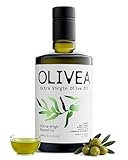
OLIVEA Ultra High Phenolic Olive Oil, 500 ml
OLIVEA leads on stated polyphenol concentration at 1000+ mg/kg and highlights hydroxytyrosol specifically, which is the compound most associated with cardiovascular and cognitive benefits in the research literature. The early-harvest cold-pressed production from Olympia, Greece adds a provenance story that matches the premium price. Owners describe a very strong peppery finish and note the dark bottle with UV protection is a real quality differentiator.
- Published 1000+ mg/kg polyphenol figure, hydroxytyrosol-focused
- Early-harvest, cold-pressed, organic Greek production
- $45 for 500 ml is the second-highest per-ounce cost here
Skip it if budget is your primary constraint; the WellEatable bottle offers comparable concentration at a similar premium.
WellEatable High +1,200 mg/kg Polyphenol Rich Olive Oil, 16.9 fl oz
WellEatable claims the highest published polyphenol number in this group at 1,200+ mg/kg, with award-winning early-harvest Italian production and lab-tested cold extraction. It is explicitly marketed for drinking straight and finishing dishes, a niche that justifies its premium. Owners report a complex, grassy-peppery profile and appreciate that the bottle is designed to be consumed within a short window for peak polyphenol retention.
- Highest stated polyphenol concentration (1,200+ mg/kg)
- Award-winning organic Italian early harvest, lab tested
- Most expensive product in the lineup at $48.47
Skip it if you want a general-purpose cooking oil; this is a functional finishing product priced accordingly.
Buying Guide
Read the Polyphenol Number, Not the Adjective
“High polyphenol” means nothing without a mg/kg figure. Quality labels state a range or a minimum. Anything below 350 mg/kg is ordinary extra virgin; serious therapeutic products publish numbers in the 500–1200+ range. If a bottle says “rich in antioxidants” but gives no concentration, treat it as a standard EVOO with a fancy name.
Packaging Determines Real-World Potency
Polyphenols degrade with light, heat, and oxygen exposure. Dark glass or opaque tins are non-negotiable. A small bottle you finish in three weeks will deliver more intact polyphenols than a large one sitting in sunlight for four months. Look for UV-protective packaging and consider the size relative to your consumption rate.
Acidity and Third-Party Verification Signal Care
A published acidity figure below 0.3% indicates careful, early harvesting and minimal processing degradation. Third-party lab reports (not just self-certification) add a layer of trust. Products that combine both give you the most defensible basis for believing the polyphenol claim on the label.
Our Verdict
The top pick is the Atlas Organic EVOO 1 L: it balances organic certification, high-polyphenol Moroccan sourcing, and the best per-ounce economics in the group. For a budget entry, the Mina Moroccan at $12.95 gives you third-party testing and sub-0.2% acidity at a price that removes purchase anxiety. However, if your goal is specifically hydroxytyrosol intake for documented health reasons and price is secondary, the OLIVEA Ultra High Phenolic wins because of its 1000+ mg/kg figure and Greek early-harvest pedigree.
FAQ
Do polyphenols in olive oil survive cooking?
High heat degrades polyphenols significantly, so most therapeutic users apply these oils as finishing drizzles or consume them raw. Light sautéing below 350°F preserves a portion of the compounds, but you will get more intact polyphenols by adding the oil after cooking.
How much high-polyphenol olive oil should you consume daily?
Research-backed protocols generally recommend around 20 grams (roughly a tablespoon and a half) of oil concentrated at 500+ mg/kg polyphenols. Always follow your physician’s guidance if you are using it for a specific health condition.
Is organic certification necessary for polyphenol benefits?
Organic certification confirms absence of synthetic pesticide residue but does not guarantee higher polyphenol content. The mg/kg figure matters more than the organic label for therapeutic purposes, though organic cold-pressed oils from careful producers tend to have lower overall oxidative stress.
How long does an opened bottle stay potent?
Most polyphenol-rich oils retain peak content for six to eight weeks after opening when stored in cool, dark conditions. Smaller bottles you finish within a month will deliver higher actual intake than large bottles stored for quarters.