
What's inside
As an Amazon Associate I earn from qualifying purchases. This post may contain affiliate links at no extra cost to you.
The short answer: the best drywall screw gun is one that sets screws to a consistent depth, runs at a speed suited to drywall rather than general drilling, and feels comfortable over a long day of overhead and wall work. A corded or cordless drywall screwdriver with an adjustable depth-sensing nose cone is the standard choice for hanging whole rooms. A collated auto-feed model speeds up big jobs by loading screws from a strip. For a small repair or a single closet, a standard drill or impact driver with a drywall bit can be enough, as long as you set the clutch carefully.
This guide does not rank brands or models. Specifications and prices change often, and the right tool depends on how much board you are hanging, how high you are working and whether you prefer a cord or a battery. Read on for the main types, the features that affect screw depth and finish quality, a comparison table, a buyer checklist, safety notes and the mistakes that leave you patching more holes than you hang. Check current specifications and the maker instructions for any tool before you buy or use it.
Our Top Picks
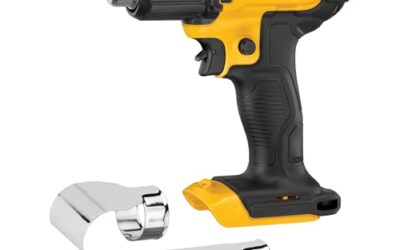
 DEWALT 20V Max Drywall Screwgun11.2 x 3.4 x 7.2 Inch11.2 x 3.4 x 7.2 inches2.6 poundsCheck on Amazon
 Makita XRF02Z 18V LXT Lithium-Ion Cordless Autofeed ScrewdriverOne Size3.6 x 18.8 x 7.3 inches4.6 poundsCheck on Amazon
Contents
- Why drywall has its own screw gun
- Types of drywall screw guns
- Comparison table
- Depth control and nose cones
- Corded or cordless, speed and torque
- Weight, balance and accessories
- Safety notes
- Buyer checklist
- Mistakes to avoid
- Frequently asked questions
- Bottom line
Why drywall has its own screw gun
Drywall looks forgiving but it is not. The paper face is what holds the board to the framing, and a screw that is driven too deep tears through the paper and loses most of its grip. A screw left proud sticks out of the surface and shows up as a bump under joint compound. The aim is a small, neat dimple just below the surface with the paper intact, and doing that hundreds of times in a row is exactly what a dedicated drywall screw gun is built for.
A standard drill relies on you feeling when to stop, and a clutch you set once for a certain board. A drywall gun uses a nose cone that contacts the board and stops the bit at a preset depth, so each screw lands the same way regardless of how hard you lean on the tool. This is the main reason professionals reach for one, and it is also why a homeowner with a whole room to hang often finds the job goes faster and looks better with the right tool.
Speed is another point. Drywall guns often run at higher no-load speeds than drills and have less low-end torque, because the job needs quick seating rather than heavy driving. They are not meant for wood framing, masonry or metal beyond what the manufacturer lists. Use the tool for what it is designed to do and check the instructions for the screw types it supports.
Types of drywall screw guns
Corded drywall screwdrivers
The classic tool. A corded motor gives steady power with no battery to charge, which suits a large job in one place. Cords can snag on ladders and framing, so many people use a good extension cord and keep it over a shoulder. Expect a nose cone with depth adjustment and a clutch that disengages when the screw reaches the set depth.
Cordless drywall screwdrivers
Battery-powered models remove the cord and are popular for repairs, remodeling and working where outlets are far away. Runtime depends on battery capacity and how many screws you drive, so consider extra batteries if you hang a lot of board. Brushless motors are common in newer designs and tend to run cooler and last longer, though specifications vary, so read the listing carefully.
Collated auto-feed screw guns
These tools feed screws from a plastic strip, so you do not pick up and place each screw individually. They are very quick for ceilings and long runs of wall, and they save your hands and back. They need the matching collated screws, a compatible magazine, and a little practice to avoid jams. If you hang many sheets, the speed gain is large. For occasional use it may not be worth the cost and the extra accessories.
Standard drills and impact drivers with a drywall bit
You can hang drywall with a general drill or driver, using a dimpling bit or a depth-setting accessory. A clutch lets you limit the torque. It is a sensible option for a small repair or a one-off patch, but depth consistency takes more attention, and an impact driver can be too aggressive for paper-faced board. For a more consistent finish, a dedicated drywall tool or an add-on depth locator is worth considering.
Comparison table
| Type | Best for | Strengths | Trade-offs |
|---|---|---|---|
| Corded drywall screwdriver | Hanging full rooms in one location | Consistent power, no battery management, depth nose cone | Cord handling, needs a nearby outlet |
| Cordless drywall screwdriver | Remodels, repairs, mobile work | Freedom from cords, quick setup | Battery cost and runtime planning |
| Collated auto-feed | Large jobs, ceilings, high volume | Fastest screw placement, less bending | Needs matching screws, jams if misloaded |
| Drill or driver with drywall bit | Small patches and occasional work | Uses a tool you already own | Depth is less consistent, learning curve |
To browse options in the most common category, start with cordless drywall screw guns and compare each listing for depth control, speed and battery details.
Depth control and nose cones
The nose cone is the heart of the tool. It is the cone-shaped or cylindrical piece at the front that rests against the drywall. As you press the tool in, the cone holds the bit at the right depth and the clutch releases. Most cones can be adjusted by turning a ring or a collar, and the setting should lock firmly so it does not drift while you work.
Test your setting on a scrap of the same board you are hanging. The ideal screw sits slightly below the face of the paper and forms a shallow dimple that joint compound can fill. If the paper tears, the depth is too deep. If the head sits proud, it is too shallow. Different board types, thicknesses and framing materials may need small adjustments, so recheck when you change materials.
Bits matter too. A good drywall bit fits the screw head snugly and wears slowly. Worn bits cam out, slip and chew the head, which makes driving unreliable. Replace the bit when it stops gripping the screw firmly, and keep a few spares in your pouch. Some bits are made for specific head shapes, so check what the screws require.
Corded or cordless, speed and torque
For a large job, corded power is attractive because it never runs out. For flexibility, cordless wins. A middle path is to choose a cordless tool whose battery platform you already own, since extra batteries are the main long-term cost. Check that the battery type and voltage are compatible with the tool and the charger, and follow the charging instructions in the manual.
Speed is a drywall-specific feature. The no-load speed influences how quickly you can set each screw, while the clutch design decides how smoothly the tool stops at depth. A tool with a good clutch lets you drive screw after screw without surging. Look for descriptions of the clutch mechanism, and read reviews for comments about missed screws, chewed heads and inconsistent depth.
Torque matters less than it does in a general drill, because drywall screws seat into relatively soft material. However, when you screw into metal studs or dense lumber, torque and speed behavior matter more. Check the manual for the framing types supported, and use the correct screw type for wood versus metal studs. Using the wrong screw can strip the head or fail to bite.
A variable speed trigger gives control at the start of a screw, which helps the bit seat in the screw head before it spins at full speed. A reversing switch is useful for removing screws when you need to reposition a sheet. Some tools also offer a lock-on feature for continuous running, but use it only when the manual allows and when you are certain you can release it quickly.
Weight, balance and accessories
You will hold this tool above your head for much of the job, so weight and balance count. A lighter body and a handle that fits your grip reduce fatigue. Balance matters as well: a heavy battery at the rear of a cordless tool can offset a heavy nose. Handle a tool in a store if possible, and look at how the trigger and handle are shaped.
Accessories can make a real difference. A belt clip or hook lets you hang the tool while you reposition a sheet. A bit holder keeps spares at hand. Auto-feed models include a magazine and a screw strip adapter. For ceilings, an extension pole attachment for collated tools lets you work from the floor. Check that the accessories you want are compatible and available, and read how to fit them in the instructions.
For high-volume work, take a look at auto-feed collated screw guns, and keep a supply of drywall screw bits so that you can swap a worn bit without stopping the job.
Safety notes
- Read the manual. Check current specifications and instructions for the tool, the screws and the board before you begin.
- Wear eye protection. Screws can snap, bits can shatter and board dust is irritating. Safety glasses are the minimum.
- Protect your lungs. Cutting and sanding drywall produces fine dust. Use a suitable mask or respirator, ventilate the room and clean up with a vacuum.
- Check for hidden hazards. Before driving screws into a wall or ceiling, consider where electrical wiring, plumbing and ductwork may run. Take care not to hit cables or pipes, and consult a professional if you are unsure.
- Use stable access. A ladder, scaffold or platform should be set on level ground and rated for the load. Avoid overreaching, and do not hold a tool and a sheet while standing on a ladder step with poor footing.
- Mind the cord. With corded tools, keep the cable clear of your feet and the ladder, and use an extension cord rated for the tool.
- Handle batteries properly. Use only the charger and batteries designated for the tool, avoid damaged cells and store them away from heat.
- Hold the board safely. Sheets are heavy and awkward. Use a helper or a lift for ceilings, and keep your free hand away from the screw line.
- Disconnect for changes. Remove the battery or unplug the tool before changing bits, adjusting the nose cone or clearing a jam.
Buyer checklist
- How much board will you hang: a patch, a room or a whole house?
- Do you prefer corded reliability or cordless freedom, and do you already own a compatible battery platform?
- Does the tool have an adjustable depth nose cone that locks securely?
- Is the clutch smooth and described clearly in the specs?
- Is the speed suited to drywall rather than general drilling?
- Is it light and balanced enough for overhead work?
- Does the tool offer variable speed and a reversing switch?
- Does it include or support a belt clip, extra bits and spare nose cones?
- If you want auto-feed, are the matching collated screws easy to buy?
- Does it come with a case, spare parts availability and a clear warranty?
- Have you read reviews about jams, depth consistency and dust?
- Do you have eye and dust protection ready?
Mistakes to avoid
Setting the depth once and forgetting it
Board thickness, framing and screw type all affect depth. Test on scrap and recheck as you work, particularly after changing batches of screws or moving between wood and metal studs.
Using the wrong screw
Drywall screws come in different lengths and thread patterns for wood and metal framing. A screw that is too short will not hold, and one that is too long can reach wiring. Match the screw to the framing and board thickness as the maker advises.
Leaning on the tool too hard
Excess pressure drives the screw deeper and can tear paper. Let the nose cone and clutch do the work, and keep the tool square to the board.
Ignoring worn bits
A worn bit slips and mangles screw heads. Replace it promptly so every screw seats cleanly.
Buying a tool before choosing the screws
Auto-feed tools need collated screws, and not every collation fits every tool. Confirm the compatible screw type and length before you buy.
Skipping dust and utility checks
Hanging board is dusty work, and walls hide wires and pipes. Wear protection and think about what is behind the surface before you drive screws.
Frequently asked questions
1. Can I use a regular drill to hang drywall?
Yes, for small jobs, using a clutch and a dimpling or depth-setting bit. A dedicated drywall gun offers more consistent depth over many screws and usually works faster on bigger projects.
2. Is an impact driver good for drywall?
It can drive screws quickly but may be too aggressive for paper-faced board, which makes depth control harder. Many people prefer a drywall tool or a clutch-equipped drill for a cleaner dimple.
3. What is a collated drywall screw gun?
It is a tool that feeds screws from a plastic strip so you do not place each screw by hand. It is fast for ceilings and large walls and needs matching collated screws.
4. Corded or cordless, which is better?
Corded gives steady power for long jobs in one place, while cordless offers freedom of movement. Your choice depends on the job size, outlet access and your existing battery platform.
5. How do I know the screw depth is right?
The head should sit just below the paper surface in a shallow dimple without tearing the paper. Test on scrap and adjust the nose cone until the result is consistent.
6. Why do my screws keep tearing the paper?
The depth is probably set too deep, the clutch may not be releasing, or you are pushing too hard. Adjust the cone, check the bit and ease off the pressure.
7. Can the same tool be used with metal studs?
Many drywall tools can, using the appropriate screws for metal framing, but check the manual. Metal studs often need a different screw thread and sometimes a different driving technique.
8. Do I need a special bit?
Use a bit that matches the screw head and is made for drywall driving. Replace it when it wears, since a worn bit slips and damages the head.
Bottom line
The best drywall screw gun is the tool that gives you the same clean dimple, screw after screw, without wearing you out. Decide how much board you will hang, choose corded or cordless to suit your workspace, and prioritize an adjustable depth nose cone, a smooth clutch and good balance. Add the right screws and bits, wear eye and dust protection, and check what is behind a wall before you fasten into it. Remember to review current specifications and instructions, and when you are ready to compare, browse drywall screw guns against the checklist above.
Disclosure: As an Amazon Associate, we earn from qualifying purchases. Links marked as sponsored may earn us a commission at no extra cost to you.
Related guides
More from Amazon
Programs that pair well with the guide above. Offers and eligibility are set by Amazon and may change.
A free business account with business pricing and bulk-buying tools for work, shop or home office.
Create a business accountFree shipping on eligible items, Prime Video and more. Eligible new members can start with a free trial.
Start a Prime free trialAudiobooks and podcasts to listen to on the go. Eligible new members can start with a free trial.
Try Audible freeAd-free music streaming. Eligible new subscribers can start with a free trial.
Try Music Unlimited freeAs an Amazon Associate we earn from qualifying purchases.
Write Your Review
No reviews yet. Be the first to share your experience!