
What's inside
- Contents
- What makes a vacuum wet/dry and jobsite-ready
- Tank size and power: reading the numbers
- Filters, bags and fine dust
- Hose, wands and attachments
- Connecting to power tools
- Corded or cordless?
- Comparison table: vacuum types
- Picking up liquids safely
- Safety notes
- Buyer checklist
- Mistakes to avoid
- Frequently asked questions
- Bottom line
As an Amazon Associate I earn from qualifying purchases. This post may contain affiliate links at no extra cost to you.
The short answer: the best wet/dry jobsite vacuums are the ones with a tank size you can live with, a filter suited to what you pick up, a hose that fits your tools, and a build that survives being dragged across a site. For most workshops and renovation jobs, a mid-size corded unit with a strong hose, a decent filter and onboard storage covers nearly everything. If you cut drywall, concrete or sand a lot, filter quality and dust-extraction compatibility matter more than raw tank volume. Fine dust can be a health hazard, so the wrong filter is a bigger problem than a slightly smaller tank.
This guide avoids ranking particular products. It explains how these machines work, what separates a light household shop vacuum from a true jobsite unit, which accessories earn their keep, and how to stay safe around dust and water. Check current specifications and the manufacturer’s instructions for any model before you rely on it.
Our Top Picks
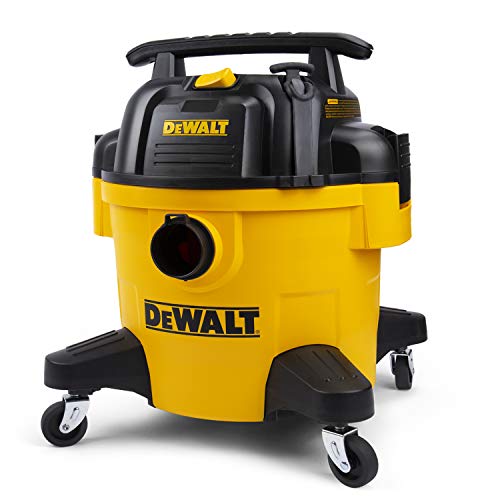
 CRAFTSMAN CMXEVBE17250 2.5 Gallon 2.5 Peak HP Wet5 Gal.13.1 x 12.57 x 14.74 inches6.7 poundsCheck on Amazon

Contents
- What makes a vacuum wet/dry and jobsite-ready
- Tank size and power: reading the numbers
- Filters, bags and fine dust
- Hose, wands and attachments
- Connecting to power tools
- Corded or cordless?
- Comparison table: vacuum types
- Picking up liquids safely
- Safety notes
- Buyer checklist
- Mistakes to avoid
- Frequently asked questions
- Bottom line
What makes a vacuum wet/dry and jobsite-ready
A wet/dry vacuum is a tank-style machine with a motor mounted on top, an inlet where the hose connects and a filter that protects the motor from debris. Unlike a household upright or canister, it is built to pick up nails, wood chips, drywall dust, spilled water and other things that would ruin a domestic vacuum. The tank is usually plastic or metal, and it is sealed so liquids can be collected without reaching the motor.
A jobsite-ready model goes further. It is made to be thrown in a truck, rolled over rough floors, bumped against ladders and used for hours. Look for sturdy latches, a tank that does not crack under knocks, large casters that do not catch on cables, a cord that is long enough and well stored, and a handle or cart arrangement that makes the machine easy to lift.
There is also a category difference between a general shop vacuum and a dust extractor. Dust extractors are designed to pair with power tools and typically feature stronger filtration, automatic filter cleaning and special hoses. Many wet/dry vacuums can serve as a budget version of the same job if they offer decent filters and compatible hose fittings, but they are not identical, and manufacturers’ descriptions will tell you which a given machine is intended to be.
Tank size and power: reading the numbers
Tank size
Capacity is usually listed in gallons or liters. Small tanks are easy to carry and store, which suits quick cleanup in a vehicle or a small workshop. Mid-size tanks fit most home projects. Large tanks reduce how often you empty them, which matters when you are sanding drywall or clearing a lot of debris. Remember that a larger tank is heavier even when empty, and awkward to lift when full of wet material. Pick the size you can comfortably empty, not the biggest you can find.
Motor power and airflow
Manufacturers often advertise peak horsepower, and that number can be misleading because it may describe a motor measured under conditions that do not reflect real use. More useful indicators, if the listing provides them, are airflow and suction, usually expressed as a flow rate and a pressure figure. Airflow governs how well the machine moves debris through the hose, and suction pressure governs how well it lifts heavy items or pulls through long hoses. A machine with high airflow tends to be better at picking up light debris and dust, while one with strong suction does better lifting dense material.
Filters, bags and fine dust
The filter is the most important component for anyone dealing with fine dust, and it is the most commonly misunderstood. A standard foam sleeve is meant for wet pickup and a pleated paper or cartridge filter is meant for dry debris. Fine drywall dust, sanding dust and concrete dust can pass through or clog a basic filter quickly, then blow out through the exhaust and into the room.
For fine dust, look for models that accept high-efficiency filters, and read the manufacturer’s description of which filter is appropriate for which task. Some machines also use disposable collection bags, which keep fine material contained and make emptying cleaner. A bag inside the tank will also prevent the filter from clogging as quickly. If you plan to collect hazardous dust, such as dust containing crystalline silica or old paint, a standard shop vacuum is not generally sufficient. Check current guidance from the relevant workplace safety authority and consider a unit that is rated and designed for that type of dust.
Filters should be easy to remove, inspect and replace. A filter that is tricky to reach will not be cleaned or replaced as often as it should be, and a clogged filter reduces suction and strains the motor. Look at replacement filter availability before you buy, and match any wet/dry vacuum filter to the exact model listed in the manual, since sizes and mounting styles differ.
Never run a dry-pickup filter during wet pickup unless the manufacturer says it is safe. Wet paper filters collapse and can be ruined, and some units require that the filter be removed or replaced with a foam sleeve. Always read the instructions for switching between wet and dry modes.
Hose, wands and attachments
The hose is the part you wrestle with most, so it deserves attention. Diameter, length and flexibility all change how the machine behaves.
- Diameter: wider hoses move bulky debris and chips with less clogging. Narrower hoses concentrate suction and suit detail work. Many machines include adapters so you can switch.
- Length: longer hoses reach farther without moving the tank, but they reduce suction and can snag. Choose a length that matches how you work.
- Flexibility and cuffs: a hose that stays supple in cold weather, with secure locking cuffs, is easier to live with. Cheap hoses stiffen, crack or pop off the inlet.
- Wands: extension wands help with floors and overhead debris. Check whether they are sturdy and whether they lock together properly.
- Nozzles: a floor nozzle with a squeegee insert handles liquids, while a crevice tool reaches corners and tight areas. Brush attachments protect delicate surfaces.
- Storage: onboard storage for hose, cord and accessories keeps everything together on a busy site.
Fittings come in different sizes and styles, and not all brands are interchangeable. Check listing compatibility and consider adapters. A replacement vacuum hose is cheaper than a new machine when the original splits.
Connecting to power tools
One of the best uses of a jobsite vacuum is capturing dust at the source from sanders, saws, drills and grinders. A good setup keeps the work area cleaner, protects your lungs and can extend the life of your tools and blades. To make this work you need a hose that fits the dust port on the tool, a filter that can handle fine dust and a vacuum that can run for long stretches without overheating.
Some vacuums offer a switched outlet on the machine that turns it on automatically when you start the connected tool. This is a convenience feature, but check that the outlet’s amperage rating matches the tool you plan to use. A tool that draws too much current can overload the outlet or trip a breaker. Other models include an auto-start system designed for the same job, or a remote switch that lets you control the vacuum from the tool’s end of the hose.
Corded or cordless?
Corded machines supply steady power for long cleanups and are often more cost effective for a given performance level. They are the safer bet if you need continuous operation, are filtering fine dust for hours or are picking up large volumes of water.
Cordless wet/dry vacuums run on tool batteries and are wonderfully convenient for quick cleanups, vehicle interiors, tight attic spaces and sites without power. The compromises are runtime, typically smaller tanks and, in many cases, lower suction than a corded model. If you already own batteries from a given brand, a bare cordless vacuum may be an efficient addition to your set. You can browse cordless wet/dry vacuums to compare tank sizes and battery compatibility.
Comparison table: vacuum types
The table compares general categories. Specific features vary, so confirm them on the listing before buying.
| Type | Best for | Strengths | Watch-outs |
|---|---|---|---|
| Compact corded wet/dry vacuum | Garage cleanup, vehicle interiors, small workshops | Light, easy to store, usually affordable | Small tank, often limited filtration for fine dust |
| Mid-size corded wet/dry vacuum | General renovation and home workshop | Good balance of capacity, power and portability | Filters and hose quality vary widely |
| Large-capacity corded unit | Big cleanups, large volumes of debris or water | Fewer trips to empty, strong airflow | Heavy and bulky, harder to store |
| Cordless wet/dry vacuum | Quick jobs, remote sites, tight spaces | Portable, shares batteries with other tools | Limited runtime and tank size |
| Dust extractor (for comparison) | Pairing with sanders, saws and grinders | Stronger filtration, automatic filter cleaning, tool-start features | Typically higher cost, designed for dust more than liquids |
If you are shopping for a general-purpose machine, start with a wet/dry shop vacuum in the mid-size range and compare filtration options, hose length and included accessories.
Picking up liquids safely
The wet-pickup ability is half the reason these machines exist, but there are rules. Make sure the correct filter or foam sleeve is installed, and check that the float or shutoff mechanism is in place. The float rises with the water level and closes the intake when the tank is full, which prevents liquid from reaching the motor. If your machine stops suddenly or the sound changes to a high whine, switch it off and empty the tank.
Do not use a wet/dry vacuum to pick up flammable liquids or fumes, such as gasoline or solvents, and never vacuum anything smoldering, hot ash or embers unless the machine is expressly designed for that purpose. Sparks from the motor can ignite vapor. Avoid pumping water into a tank that is not designed for it, and do not use any electrical appliance near standing water if you are unsure of the circuit’s protection. Use a properly protected outlet, such as one with ground-fault protection, and follow the manufacturer’s electrical guidance.
After wet use, empty and rinse the tank, let it dry and clean or replace the filter. Standing water can lead to odors and mold, and a damp filter will not work properly.
Safety notes
- Fine dust: concrete, drywall, sanding and demolition dust can be harmful to breathe. Use a filter designed for fine dust and wear an appropriate respirator while working and while emptying the tank.
- Hazardous materials: do not use a standard shop vacuum for suspected asbestos, lead paint dust or other regulated materials. Seek professional guidance and follow local regulations.
- Emptying: empty the tank outdoors or into a sealed bag where possible, in a way that does not stir up a cloud of dust.
- Electrical: inspect the cord for damage, use a suitably rated extension cord and never pull the machine by the cord.
- Fire risk: do not pick up hot embers, smoldering material or flammable liquids. Metal grinding sparks can also ignite dust in a collection tank, so follow the tool and vacuum instructions.
- Hearing: wear hearing protection when the noise level is high, particularly in confined spaces.
Check current specifications and instructions on every model and accessory before use.
Buyer checklist
- List what you will pick up: sawdust, drywall dust, water, nails, leaves or a mix.
- Choose a tank size you can comfortably carry, empty and store.
- Check airflow and suction figures if listed, not just horsepower.
- Verify the filter type, and whether fine-dust and wet-pickup filters are available.
- Look at hose diameter, length, flexibility and the quality of the cuffs.
- Confirm the fittings suit your power tools, or find the right adapters.
- Check for a switched outlet or auto-start feature if you will connect tools.
- Inspect the latches, casters, handle and cord storage.
- Make sure replacement filters and parts are easy to find.
- Compare corded and cordless against how long your typical cleanup lasts.
- Have a respirator, eye protection and hearing protection ready.
Mistakes to avoid
Choosing on horsepower alone
A big peak-horsepower number does not guarantee strong, useful airflow. Look at real performance measures and the hose and filter system as a whole.
Using the wrong filter
Running fine drywall dust through a basic filter fouls it and blows dust back into the air. Match the filter to the task.
Forgetting to remove or swap the filter for wet use
Paper filters and water do not mix. Read the manual to learn how your unit handles liquid pickup.
Treating it as a safe way to clean up hazardous dust
Standard machines are not appropriate for regulated hazards. When in doubt, ask a professional.
Frequently asked questions
1. What is the difference between a shop vac and a jobsite vacuum?
The terms overlap. A jobsite model usually emphasizes durability, portability, dust-collection compatibility with power tools and better filtration than a basic household shop vacuum.
2. Can I use a wet/dry vacuum for drywall dust?
You can, with the right filter and, ideally, a bag. A basic filter clogs quickly and may release fine dust into the air. Wear a respirator and consider a dedicated dust extractor for large jobs.
3. Do I need a HEPA filter?
If you work with fine or hazardous dust, high-efficiency filtration is worth considering. Check the manufacturer’s description to confirm what the filter and machine are designed to handle.
4. Can I use it without a filter?
Not unless the manual says so for a specific wet task. Running without a filter exposes the motor to debris and may blow fine dust into the room.
5. How big a tank do I need?
Match it to your largest regular job and your ability to carry it. Small tanks suit quick cleanups, mid-size tanks suit most home projects and large tanks suit major cleanups.
6. Are cordless wet/dry vacuums strong enough?
They are good for small to moderate jobs, but runtime and suction are generally lower than corded models. Check the listing for stated runtime and compatible batteries.
7. Can I connect it to my table saw or sander?
Often yes, provided the hose diameter and fittings match and the filter can handle the dust. Use adapters if necessary and check the tool’s manual.
8. How do I clean the filter?
Follow the manufacturer’s instructions. Many cartridge filters can be tapped or brushed outdoors while wearing a respirator, and some can be rinsed. Replace damaged or heavily clogged filters.
Bottom line
A good jobsite vacuum is a system: tank, filter, hose and fittings working together. Choose a size you can handle, a filter that fits your dust, a hose that connects to your tools, and a build that matches how rough your work is. Treat fine dust and liquids with respect, and always check current specifications and instructions before use. When you are ready to compare options, browse a jobsite vacuum and match it against the checklist above.
Disclosure: As an Amazon Associate, we earn from qualifying purchases. Links marked as sponsored may earn us a commission at no extra cost to you.
Related guides
More from Amazon
Programs that pair well with the guide above. Offers and eligibility are set by Amazon and may change.
A free business account with business pricing and bulk-buying tools for work, shop or home office.
Create a business accountFree shipping on eligible items, Prime Video and more. Eligible new members can start with a free trial.
Start a Prime free trialAudiobooks and podcasts to listen to on the go. Eligible new members can start with a free trial.
Try Audible freeAd-free music streaming. Eligible new subscribers can start with a free trial.
Try Music Unlimited freeAs an Amazon Associate we earn from qualifying purchases.
Write Your Review
No reviews yet. Be the first to share your experience!