How to Find Value in Open-Box Tools Without Sacrificing Warranty Protection
What's inside
As an Amazon Associate I earn from qualifying purchases. This post may contain affiliate links at no extra cost to you.
Open-box tools can cut 10% to 40% from the price of a new tool, but the discount is only valuable if the tool still has a usable return period and warranty. A damaged box is irrelevant; a missing charger, altered serial number, or prior commercial abuse is not. The goal is to buy a tool that has been opened, not one that has already lived a hard life.
What “Open-Box” Really Means
Open-box is a retail condition, not a standardized grade. One seller may be listing a customer return that was never used. Another may be selling a display unit, a tool with cosmetic damage, or a previously rented item. Read the condition notes instead of relying on the headline discount.
Ask four questions before paying:
- Why was the item returned?
- Are all accessories, batteries, manuals, and cases included?
- Does the manufacturer warranty apply to this unit?
- How many days do you have to return it if it fails inspection or testing?
A retailer’s return policy and the manufacturer’s warranty are separate protections. A 30-day retailer return window may cover a defective open-box tool even when the manufacturer will not honor a warranty on a secondhand purchase. Conversely, a tool can have a manufacturer warranty but still be a poor buy if the retailer only allows seven days for returns.
Compare the Real Price, Not the Sticker
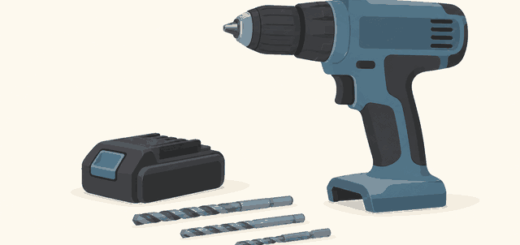
Calculate the complete working price. Include a required battery and charger, missing accessories, shipping, and any replacement parts you will need immediately. A bare open-box cordless drill that is $45 cheaper than a kit is not a bargain if you must spend $80 on a battery and charger.
| Purchase condition | Typical advantage | Main risk | Best use |
|---|---|---|---|
| New, factory sealed | Full packaging and clearest warranty position | Highest price | Daily or professional use |
| Retailer open-box | Often 10%–40% below new | Missing parts or uncertain prior use | Buyers who can inspect and test quickly |
| Manufacturer refurbished | Inspection or replacement process may be documented | Shorter warranty or cosmetic wear | Higher-cost tools from a trusted brand |
| Private-party used | Lowest purchase price | Usually no return or warranty protection | Simple tools you can test thoroughly |
For cordless equipment, compare the exact kit contents. For corded tools, confirm that the cord, plug, guard, wrench, fence, and dust port are present. For a cordless drill kit, a missing side handle or proprietary charger can erase most of the savings.
Verify Warranty Eligibility Before Checkout
Do not assume a manufacturer warranty transfers automatically. Some brands cover the original purchaser only, while others require proof of purchase from an authorized retailer. Marketplace listings can also mix authorized and unauthorized sellers under similar-looking product pages.
Save the listing, order confirmation, serial number, and photographs of the tool as received. These records help if the condition does not match the description. If the warranty terms are unclear, contact the manufacturer with the product category, seller name, and serial-number format before buying. Written confirmation is more useful than a general statement that the brand “offers a warranty.”
Be especially cautious with items marked “as-is,” “salvage,” “parts only,” or “final sale.” Those phrases usually mean the seller is shifting the failure risk to you. A discount of 50% is not attractive when a failed electronic controller or motor costs nearly as much as the tool.
Inspect It Before You Use It
Start the inspection on the day it arrives. Photograph the box, shipping label, serial-number label, and every included part. Compare the contents with the manufacturer’s current parts diagram or the retailer’s kit description.
Look for fasteners with damaged heads, packed sawdust in vents, rounded chuck teeth, deep scratches around adjustment knobs, and heat discoloration near the motor or battery contacts. These signs suggest more than a brief test. Check that guards move freely, trigger locks work, depth stops hold their position, and adjustment scales are readable.
Test the tool without forcing it. Run a drill at both speeds, cycle an impact driver briefly, or make a few cuts in scrap wood. Listen for grinding, pulsing, arcing, excessive gear noise, or a burning smell. A battery that drops from full to empty after a few minutes under light use is a return, not a value. Stop immediately if a cord, plug, blade guard, or battery swells or heats unusually.
For a cordless circular saw or other high-load tool, make a short test cut in clean lumber rather than judging it only by no-load sound. A weak battery, slipping clutch, or damaged bearing may not show up until the tool is working.
Choose Open-Box Categories Carefully
Open-box value is strongest for tools with simple mechanisms and easy inspection. Hand tools, sanders, drills, trim routers, and corded saws can be sensible purchases when they include all safety parts and have a generous return period. Cosmetic scratches rarely affect their function.
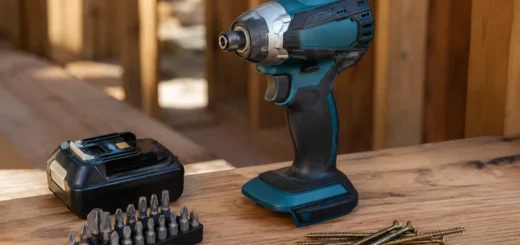
Use more caution with batteries, chargers, laser levels, outdoor power equipment, and tools with electronic controls. Battery age is difficult to verify, and a charger fault can damage an otherwise good pack. Outdoor tools may have been run in dust, wet grass, or poorly mixed fuel. A cordless impact driver with light housing wear may be fine, but a unit with a hot motor, wobbling anvil, or delayed trigger response should go back.
Safety-critical equipment deserves a smaller discount threshold. I would rather buy a new guard, grinder, or saw from a reputable seller than save $25 on an item with unknown operating history. The same applies to tools used overhead or on a job where downtime costs money.
Use Timing to Improve the Deal
Compare open-box prices with seasonal promotions rather than comparing them only with the regular list price. New tool kits often receive their biggest discounts around major holiday sales, Father’s Day, and the late-fall gift season. If a new kit is temporarily 25% off, an open-box unit discounted 15% may no longer be compelling.
Set a minimum savings target: roughly 20% for a tool with full accessories and a normal return period, and 30% or more when the warranty is limited or the packaging is incomplete. For a $200 tool, that means seeking at least $40 to $60 in real savings. If the difference is only $15, buy new and keep the simpler warranty position.
Make the Final Decision
Buy open-box when the seller is identifiable, the serial number is intact, the return window is long enough to test the tool, and the total price remains meaningfully below a new equivalent. Return it when parts are missing, the listing is vague, the tool shows heavy use, or the warranty answer depends on guesswork.
The best open-box purchase is not the cheapest listing. It is a nearly complete tool with documented condition, a practical return period, and enough savings to compensate for the extra inspection work.