Lasagna Soup Recipe: Easy One-Pot Dinner
What's inside
As an Amazon Associate I earn from qualifying purchases. This post may contain affiliate links at no extra cost to you.
This lasagna soup recipe makes 6 hearty servings in one pot, using 1 pound of ground beef, crushed tomatoes, broth, broken lasagna noodles, ricotta, mozzarella, and about 35 minutes from start to finish.
As an Amazon Associate we earn from qualifying purchases at no extra cost to you.

Our Top Picks
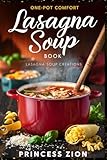
 lasagna soup recipes book: ONE-POT COMFORT: LASAGNA SOUP6 x 0.12 x 9 inches0.29 poundsCheck on Amazon

Lasagna Soup at a Glance
| Detail | Exact amount or time |
|---|---|
| Yield | 6 servings |
| Active preparation | 15 minutes |
| Simmering time | 18–22 minutes |
| Total time | About 35 minutes |
| Recommended pot | 5- to 6-quart heavy-bottomed Dutch oven or stockpot |
| Soup yield | Approximately 12 cups |
| Refrigerator storage | Up to 4 days |
Ingredients
- 1 tablespoon olive oil
- 1 pound ground beef, preferably 85% lean
- 1 medium yellow onion, diced
- 4 garlic cloves, minced
- 2 tablespoons tomato paste
- 1 teaspoon Italian seasoning
- 1 teaspoon kosher salt, plus more to taste
- 1/2 teaspoon black pepper
- 1 can, 28 ounces, crushed tomatoes
- 6 cups low-sodium chicken or beef broth
- 1/2 teaspoon red pepper flakes, optional
- 8 ounces dry lasagna noodles, broken into 1 1/2- to 2-inch pieces
- 1 tablespoon chopped fresh basil or parsley, optional
For the cheese topping
- 1 cup whole-milk ricotta
- 1/2 cup shredded mozzarella
- 1/4 cup finely grated Parmesan
- 1 tablespoon chopped fresh basil or parsley
- 1/4 teaspoon black pepper
Which Pasta Works Best?
Broken lasagna noodles provide the most traditional texture, but other short shapes can be easier to stir and store. Add pasta only after the broth reaches a steady simmer, because putting it in too early can produce uneven cooking.
| Pasta choice | Amount | Typical simmer time | Best use |
|---|---|---|---|
| Lasagna noodles, broken | 8 ounces | 18–22 minutes | Closest to classic lasagna |
| Reginetti or mafaldine | 8 ounces | 10–13 minutes | Frilly edges with less breaking |
| Rotini or fusilli | 8 ounces | 9–11 minutes | Easy stirring and family meals |
| Orecchiette | 8 ounces | 11–13 minutes | Holds broth and small bits of meat |
If using a quick-cooking shape instead of lasagna noodles, begin checking for doneness several minutes earlier than the package instruction. The pasta should be tender but still slightly firm in the center, since it will continue softening in the hot soup.
How to Make Lasagna Soup
1. Brown the beef
Heat the olive oil in a 5- to 6-quart pot over medium-high heat. Add the ground beef and cook for 5–7 minutes, breaking it into small pieces with a wooden spoon or heat-resistant spatula. Continue until no pink remains and the meat has developed browned edges.
If more than 2 tablespoons of fat collect in the pot, carefully spoon off the excess. Leaving a small amount helps carry flavor into the vegetables, while too much can make the soup greasy.
2. Cook the aromatics
Add the diced onion and cook for 4–5 minutes, stirring occasionally, until softened. Add the garlic and cook for 30 seconds. Stir in the tomato paste, Italian seasoning, salt, black pepper, and red pepper flakes. Cook for 1 minute, stirring constantly, until the tomato paste darkens slightly.
3. Build the broth
Pour in the crushed tomatoes and broth, scraping the bottom of the pot to loosen browned bits. Bring the mixture to a full simmer over medium-high heat, then reduce the heat to medium-low. The soup should bubble gently rather than boil aggressively.
4. Add and simmer the pasta
Stir in the broken lasagna noodles. Simmer uncovered for 18–22 minutes, stirring every 2–3 minutes so the noodles do not stick to the bottom or clump together. Keep the soup at a gentle, even simmer. If the liquid level drops too quickly before the pasta is tender, add 1/2 cup of broth or water.
Start checking at 18 minutes. The noodles are ready when they are flexible and tender throughout, with a slight bite. Remove the pot from the heat immediately after they reach that texture; prolonged cooking can turn them soft and cause the soup to thicken heavily.
5. Mix the cheese topping
While the soup simmers, combine the ricotta, mozzarella, Parmesan, chopped herbs, and 1/4 teaspoon black pepper in a bowl. Taste the soup before serving and adjust the salt, remembering that Parmesan adds additional saltiness.
6. Serve
Ladle the soup into bowls and add 1–2 tablespoons of the ricotta mixture to each serving. Finish with extra Parmesan, basil, or a small drizzle of olive oil if desired. Serve immediately for the best contrast between the hot broth and cool, creamy cheese.
Choosing the Right Pot
A wide, heavy-bottomed pot is more useful than an unusually tall stockpot for this recipe. A 5-quart pot is large enough for the approximately 12 cups of finished soup, but a 6-quart pot gives more room for stirring without splashing. A thin pot can develop hot spots that scorch the tomato paste and pasta, so use lower heat if that is your only option.
| Kitchen setup | Recommended cookware | Reason |
|---|---|---|
| Small kitchen or 1–2 diners | 4-quart heavy saucepan; halve the recipe | Less unused space and faster heating |
| Family dinner | 5- to 6-quart Dutch oven | Enough capacity for stirring and six servings |
| Batch cooking | 7- to 8-quart stockpot | Room for a double batch, though pasta is best cooked separately |
Storage, Reheating, and Freezing
For leftovers, cool the soup promptly in shallow containers rather than leaving the full pot at room temperature. Refrigerate within 2 hours and use within 4 days. Store the ricotta topping separately in a sealed container for up to 4 days so it remains thick and fresh.
The noodles continue absorbing broth as the soup sits. When reheating one serving, place it in a saucepan with 2–4 tablespoons of broth or water. Warm over medium-low heat for 5–8 minutes, stirring occasionally, until steaming throughout. Avoid a hard boil, which can break down the noodles and make the beef tough.
For the best freezer results, freeze the soup before adding pasta. Cook the meat, vegetables, tomatoes, and broth, cool the base, and freeze it in airtight containers with about 1 inch of headspace. Thaw overnight in the refrigerator, bring the base to a simmer, and add fresh pasta. If freezing completed soup, expect softer noodles after thawing; freeze individual portions for up to 2 months for better texture.
Common Mistakes to Avoid
- Overcrowding the pasta: Eight ounces is the tested balance for 6 cups of broth. Adding much more produces a thick, casserole-like mixture.
- Skipping the stir: Broken lasagna pieces tend to stack together. Stir every few minutes during cooking.
- Using high heat after adding tomatoes: Aggressive boiling can scorch the base and evaporate liquid before the pasta cooks.
- Adding cheese directly to the pot: Ricotta can become grainy and mozzarella can clump. Spoon the topping onto each bowl instead.
- Seasoning only at the end: Salt the beef and broth in stages, then taste again after the noodles are cooked.
Easy Variations
For a lighter version, replace the beef with 1 pound of ground turkey and add 1 tablespoon of olive oil when browning. Italian sausage can replace the beef, but reduce the added salt to 1/2 teaspoon until the soup is finished. For a vegetarian version, omit the meat, use 1 tablespoon of olive oil, and add one 15-ounce can of drained cannellini beans with the tomatoes.
To add vegetables, stir in 1 diced zucchini during the final 8 minutes or 2 cups of baby spinach during the final 2 minutes. These additions change the volume slightly but do not require extra broth unless the soup becomes too thick.