
What's inside
As an Amazon Associate I earn from qualifying purchases. This post may contain affiliate links at no extra cost to you.
Our Top Picks

The Short Answer
For most home projects, a portable electric drum mixer with a mid-sized drum is the best all-round choice. It is easy to move, runs from a standard outlet and mixes enough concrete for paths, fence posts, small bases and repairs. If you mix mortar or very stiff material, look at a paddle or pan style. If you pour large slabs regularly, a bigger petrol or diesel drum mixer, or ordering ready-mixed concrete, will save time and effort.
Choose by batch size, mix type, power supply and how often you will use it. A mixer that is too small makes you work in many batches and risks cold joints, while one that is too large is hard to move, hard to clean and wasteful.
Contents
- How concrete mixers work
- Types of concrete mixers
- Choosing capacity and power
- Features that matter
- Mixing method step by step
- Matching mixers to projects
- Safety
- Cleaning and maintenance
- Common mistakes
- Buy versus rent
- Checklist
- FAQ
- Conclusion
How Concrete Mixers Work
Concrete is a blend of cement, aggregate (sand and gravel or crushed stone) and water. The cement and water form a paste that coats the aggregate and then hardens through a chemical reaction. A mixer’s job is to coat every particle evenly. Poorly mixed concrete has dry pockets and weak spots, so a mixer is not just a convenience, it affects the strength of the finished work.
Drum mixers tumble the ingredients inside a rotating drum fitted with internal blades. Gravity and the blades fold the material over repeatedly. Pan and paddle mixers force the material with moving blades through a stationary container, which gives a more aggressive action that suits dry or stiff mixes. Understanding which action you need is the first step in choosing.
Types of Concrete Mixers
Portable electric drum mixers
These tilting drum units are the standard homeowner choice. A small electric motor turns the drum through a gear ring, and you tip the drum to pour. They are quiet, produce no exhaust, and can be wheeled to the job. Their limitation is size: the drum holds a modest volume, and the motor is not meant for continuous commercial duty.
Petrol and diesel drum mixers
Engine-driven models suit sites without mains power and typically offer larger capacities and more robust frames. They are heavier, noisier and need fuel, oil and ventilation. They suit builders and agricultural users who pour frequently.
Pan and paddle mixers
Instead of a tilting drum, these use a horizontal pan with rotating paddles. They excel at mortar, screed, grout and stiff or fibre-reinforced mixes, because the blades force the material together. Many have a discharge gate rather than a tilt.
Handheld paddle mixers
A high-torque drill-like unit with a paddle that stirs inside a bucket or tub. These are for small batches of mortar, render, grout or adhesive, not for concrete in volume. They are cheap and compact but demand strong wrists and a firm grip.
Mixer trucks and drum trailers
Large trailer-mounted or truck-mounted drums are used by contractors. They are out of scope for most buyers, but they define the upper end of the category.
Comparison of mixer types
| Type | Best for | Power | Trade-off |
|---|---|---|---|
| Portable electric drum | Paths, posts, small slabs | Mains outlet | Limited batch size |
| Engine drum | Remote sites, bigger pours | Petrol or diesel | Heavy, noisy, fumes |
| Pan or paddle | Mortar, screed, stiff mixes | Electric or engine | Harder to move, slower to empty |
| Handheld paddle | Small mortar or grout batches | Mains electric | Physically demanding |
| Truck or trailer drum | Large professional pours | Engine or PTO | Not for typical buyers |
Choosing Capacity and Power
Mixer size is usually quoted in two numbers: total drum volume and the finished batch volume it actually mixes. The usable batch is smaller than the drum, because the drum must not be filled to the brim or the mix will not tumble properly. Look for the output capacity, not only the headline drum size.
To judge capacity, estimate the volume you need. Multiply length by width by depth, in consistent units, then add a margin for waste and uneven ground. Divide by the batch volume to see how many loads you will mix. If that number is very large, a bigger mixer or delivered concrete is probably wiser.
There is a timing consideration too. Fresh concrete has a limited working time, which depends on weather and mix. If each batch takes a long time to load and mix, early batches may begin to stiffen before the last is placed. Work in a team if possible, with one person feeding the mixer and others placing and finishing.
For power, an electric model should run from a protected circuit with a properly rated extension cord. Wet sites and electricity do not mix, so use a residual-current device and keep connections off the ground. Engine models need space for exhaust and refuelling. Consider how you will move the machine: wheels, a stand, and a weight you can manage with one helper.
Comparison by capacity class
| Class | Typical user | Typical jobs | Notes |
|---|---|---|---|
| Small | Occasional DIY | Post holes, repairs, step bases | Easy storage, many batches |
| Medium | Regular home projects | Paths, patios, shed bases | Best balance for most people |
| Large | Builders, farms | Slabs, footings, ongoing pours | Needs space and handling effort |
Features That Matter
Drum material and blades. Steel drums are durable, while plastic or polymer ones are lighter and resist sticking. Internal blades should be bolted so they can be replaced when they wear, since worn blades mix poorly.
Drive system. A gear ring driven by a pinion is common. Look for a guard over the gears, and a drive that is protected from drips and spray. Belt drives can be quieter but need checking for tension.
Tilt mechanism. A handwheel or lever should hold the drum at the chosen angle. Smooth, locking mechanisms make pouring safer and give you more control over where the load goes.
Stand and wheels. A stable stand prevents the mixer from creeping while running. Wheels with air or solid tyres make it easier to move across rough ground.
Motor protection. Overload protection and a sealed switch help the motor survive dust, damp and heavy loads. A motor that stalls under a full stiff batch is a sign you have overfilled.
Cleaning access. A wide drum mouth, smooth interior and a stable position for tipping make cleaning faster and extend the life of the machine.
Mixing Method Step by Step
- Place the mixer on firm, level ground close to where the concrete will be used, and chock the wheels or lock the stand.
- Prepare your materials: cement bags, sand, aggregate and clean water. Keep them dry and covered until needed.
- Start the drum and add a portion of the water, then some of the aggregate. Wetting the drum first helps prevent cement sticking.
- Add cement and the rest of the aggregate and sand gradually, with the drum turning.
- Add the remaining water slowly until the mix reaches a workable consistency. Too much water weakens the final concrete.
- Mix for the time recommended in the instructions, usually a few minutes, until the colour and texture are uniform.
- Tip the load into a wheelbarrow or directly into the formwork and place it promptly.
- Rinse the drum with water and a few handfuls of gravel before the next batch if there will be a gap.
Keep each batch consistent. Use a bucket or similar measure for the ingredients instead of guessing, and write down the ratio that works so every batch matches. Variations in water or aggregate moisture cause colour and strength differences that show up in the finish.
Matching Mixers to Projects
Fence posts and small repairs: A small electric mixer or even a handheld paddle for bagged material is enough. Speed matters more than volume.
Paths and patios: A medium electric drum mixer is the usual answer. Plan for several batches and organise a team so each batch is placed and levelled before the next is ready.
Shed bases and small slabs: A medium or large mixer helps, or consider ordering delivered concrete if the volume is substantial and the access is good.
Mortar and render: A pan, paddle or handheld paddle mixer gives a uniform mix of fine material. A tilting drum can work, but it does not blend stiff mortars as well.
Screed and fibre-reinforced mixes: A pan mixer is preferable because it forces the dry mix together evenly.
If your project is bigger than a few hours of pouring, compare the cost and time of repeated mixing with the price of a delivery. Delivered concrete arrives mixed and ready, but you must be prepared to place it immediately.
Safety
- Skin protection: Wet cement is alkaline and can cause chemical burns. Wear waterproof gloves, long sleeves, trousers and rubber boots. If it soaks through clothing, change quickly and rinse skin with plenty of clean water.
- Eye protection: Wear safety glasses or goggles to guard against splashes. If cement enters the eyes, rinse with clean water for an extended period and seek medical help.
- Dust: Dry cement and sand release fine dust, including respirable crystalline silica. Wear a suitable respirator when emptying bags, pour slowly and avoid creating clouds.
- Moving parts: Never reach into a rotating drum, and keep hands, hair and loose clothing away from the drive. Switch off and unplug or stop the engine before clearing blockages or cleaning.
- Electrical: Use a residual-current device, keep cords out of puddles and away from the drum, and avoid running the mixer in the rain unless it is rated for it.
- Engine hazards: Refuel only when the engine is cool and off, and never run an engine mixer indoors because of carbon monoxide.
- Stability: Place the mixer on level ground. A tilting drum full of wet concrete is heavy and can topple if the stand shifts.
- Manual handling: Cement bags and wheelbarrows full of concrete are heavy. Lift with your legs, share the load and use a ramp or a lighter barrow.
- Noise: Engine mixers can be loud. Use hearing protection when operating for long periods.
Cleaning and Maintenance
Cleaning is the main maintenance task, and it must be done before the concrete sets. At the end of each session, tip in water and a handful of coarse gravel, run the drum, and let the gravel scour the inside. Tip out the slurry somewhere appropriate, never into drains or watercourses. Then hose down the outside, paying attention to the gear ring, rim and wheels.
Once concrete has hardened inside, removing it requires chipping, which can damage blades and coatings. Some users line the drum with a thin release agent to reduce buildup. Check blade condition regularly and replace worn blades, since worn blades leave dead zones in the drum.
Lubricate the gear ring and bearings according to the manual, and check drive belts for tension and wear. For electric motors, keep vents clear and check cables for cuts. For engines, follow oil, filter and fuel guidance, and store with a stabilised fuel supply or an empty tank. Store the mixer dry, with the drum tilted so that water can drain.
Common Mistakes
- Adding too much water for easier mixing, which reduces strength and increases cracking.
- Overfilling the drum so material cannot tumble.
- Failing to plan placement, so the first batch starts to stiffen before the last arrives.
- Skipping cleaning at the end of the day, which leaves hard deposits.
- Using an extension cord that is too thin or damaged.
- Pouring wash water into drains or garden beds.
- Placing the mixer on soft or sloping ground.
- Not wearing gloves and boots, then discovering the burns hours later.
- Guessing quantities instead of measuring ingredients.
Buy Versus Rent
If you only need a mixer for one weekend, renting is often the simplest solution. Rental units are usually larger and more robust than small consumer machines, and you avoid cleaning and storage between projects. Ask about cleaning expectations on return, because dirty equipment may incur a charge.
If you have a long list of projects, a mid-sized electric mixer is a sound purchase. It repays itself over several jobs, and you can work when conditions suit you, such as early morning or cool weather, instead of working to a rental deadline.
For big pours, compare three options: mixing yourself, renting a bigger mixer, or ordering delivered concrete. The last gives consistent quality and saves labour but demands careful preparation of forms, access and helpers. For small repairs, bagged rapid-setting mixes mixed with a handheld paddle may cost less than any machine.
Checklist
- Calculate the volume of concrete the project needs, with a margin for waste.
- Check the mixer’s usable batch size, not only its drum size.
- Confirm the power source and cord rating, or the fuel and ventilation needs.
- Choose drum or pan style to suit the mix you will make.
- Prepare formwork, reinforcement and tools before the first batch.
- Organise helpers for feeding, wheeling and finishing.
- Wear waterproof gloves, boots, eye protection and a respirator for dry powders.
- Measure ingredients and water consistently for every batch.
- Set up a washout area for rinse water.
- Clean the mixer before the concrete hardens.
FAQ
What size concrete mixer do I need for a patio?
Work out the volume in cubic units, then compare it with the mixer’s batch output. A medium mixer is common for patios, but if the volume needs many batches, consider a larger machine or delivered concrete.
Can I mix mortar in a concrete mixer?
Yes, a drum mixer can mix mortar, though pan and paddle mixers give a more even result with fine, sticky material. Clean the drum promptly because mortar sticks.
How long should concrete be mixed?
Follow the instructions for your mix, but generally mix until the colour and texture are uniform, which often takes a few minutes. Excessively long mixing can start to stiffen the batch.
Is it better to add water first or last?
A common practice is to put in a portion of the water and some aggregate first, then cement, then adjust water gradually. This reduces dust and helps prevent cement balling on the drum.
Can I use a mixer in cold or hot weather?
Temperature affects setting time. Hot weather speeds up the set and cold weather slows it and risks frost damage. Follow guidance for hot and cold weather concreting and protect fresh work.
How do I clean concrete out of the drum?
Before it sets, run the drum with water and coarse gravel. Dispose of slurry responsibly. If it has hardened, chip carefully with a non-metallic tool where possible, or soak and loosen it in stages.
Is wet cement dangerous to skin?
Yes. Its alkalinity can cause chemical burns, sometimes with little immediate pain. Wear protective clothing and rinse any exposed skin with clean water immediately.
Can I run an electric mixer from a generator?
Often, provided the generator has enough rated output for the motor’s start-up demand. Check the mixer’s input rating and leave a margin.
Conclusion
The best concrete mixer is one that fits your batch size, your mix and your power supply while remaining easy to move and clean. A portable electric drum mixer covers most home work, pan and paddle types suit mortar and screed, and engine models serve larger sites. Measure ingredients, work as a team, protect your skin, eyes and lungs, and clean the drum before the concrete sets.
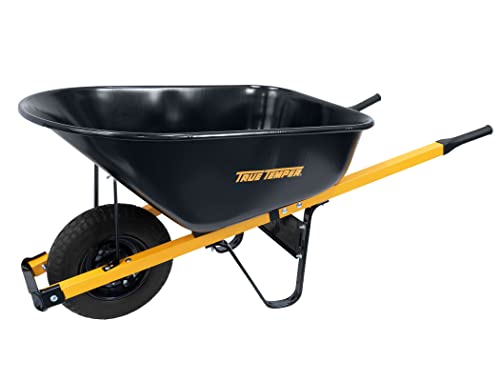
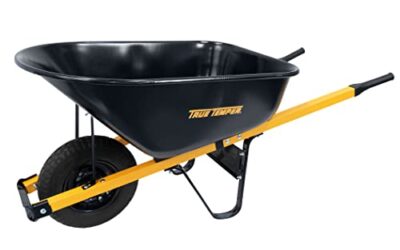
When you are ready to shop, compare portable concrete mixers, handheld paddle mixers for mortar, waterproof work gloves and a sturdy wheelbarrow.
Disclosure: As an Amazon Associate, powertoolsoutlet.com earns from qualifying purchases at no extra cost to you.
Related guides
More from Amazon
Programs that pair well with the guide above. Offers and eligibility are set by Amazon and may change.
A free business account with business pricing and bulk-buying tools for work, shop or home office.
Create a business accountFree shipping on eligible items, Prime Video and more. Eligible new members can start with a free trial.
Start a Prime free trialAudiobooks and podcasts to listen to on the go. Eligible new members can start with a free trial.
Try Audible freeAd-free music streaming. Eligible new subscribers can start with a free trial.
Try Music Unlimited freeAs an Amazon Associate we earn from qualifying purchases.
Write Your Review
No reviews yet. Be the first to share your experience!