
What's inside
- The Short Answer
- In This Guide
- How a Drain Snake Works
- Types of Plumbing Snakes
- How to Choose
- Features That Matter
- Cable Size and Length Explained
- Setup and Step-by-Step Use
- Safety and Chemical Cautions
- Cleaning and Storage
- Common Mistakes
- Who Should Choose What
- Buying and Use Checklist
- Frequently Asked Questions
- Conclusion
As an Amazon Associate I earn from qualifying purchases. This post may contain affiliate links at no extra cost to you.
Our Top Picks


The Short Answer
The best plumbing snake depends on where the clog is and how far away it sits. For a toilet, you want a closet auger, which is designed to pass through the bowl’s trap without scratching the porcelain. For sinks, tubs and showers, a small hand-crank drain snake or a handheld drum auger is usually enough. For main lines and long runs, a larger drum or sectional machine is the right tool, and for repeated heavy work, many people rent or hire a plumber instead of buying. Match the cable diameter and length to the pipe, work slowly, wear gloves and eye protection, and never mix a snake with chemical drain cleaners.
This guide explains each snake type, how to size one, how to use it safely, what to do when it gets stuck, and when a snake is the wrong answer. It does not rank brands. The right tool depends on the pipe and the problem.
In This Guide
- How a drain snake works
- Types of plumbing snakes
- How to choose
- Features that matter
- Cable size and length explained
- Setup and step-by-step use
- Safety and chemical cautions
- Cleaning and storage
- Common mistakes
- Who should choose what
- Checklist
- FAQ
- Conclusion
How a Drain Snake Works
A plumbing snake, also called an auger, is a flexible cable with a tip designed to catch or break up a blockage. You feed the cable into the drain while turning it, by hand or with a motor. The tip either hooks the clog so you can pull it out, or bores through it so water can flow again. Rotation is the key. A snake pushed straight in will often just bend and coil inside the pipe, whereas a rotating cable follows bends and bites into hair, soap scum, paper or roots.
Snakes are best at solid, mechanical clogs such as hair, wipes, food debris and tree roots. They are less effective on grease that has coated the whole pipe wall, or on a collapsed or broken pipe, where the cable will repeatedly stop at the same spot. Understanding this saves frustration: if the snake reaches a hard stop that does not give, stop forcing it and consider a camera inspection or a professional.
Types of Plumbing Snakes
Closet augers. A toilet-specific tool with a stiff, short shaft, a crank handle and a protective sleeve or boot at the bottom. The curved sleeve protects the porcelain while the cable passes through the toilet’s built-in trap. Use this for toilet clogs rather than a general-purpose snake, which can scratch the bowl and may not turn the tight bend.
Hand-crank drain snakes. A short cable in a compact housing with a thumbscrew and handle. They fit sink, tub and shower drains and are inexpensive. Good for hair clogs and shallow blockages. Reach is limited and the cable is thin, so they are not suited to long runs.
Drain-cleaning wands and plastic strips. Flexible plastic strips with barbs are pushed into a drain and pulled out with hair. They are cheap, gentle on pipes and surprisingly effective for hair clogs in tub and bathroom sink drains, but they cannot handle a deep or hard blockage.
Handheld drum augers. A drum holds a coiled cable, and a crank or drill-powered drive extends it. These are the most versatile type for household use, reaching a longer distance than hand-crank snakes. Some can be spun with a cordless drill using a manufacturer-approved attachment. Used carefully, they handle kitchen sink lines and branch drains.
Sectional machines. A motor drives cable sections that couple together, allowing longer lengths and heavier cutting heads. Professional plumbers use them for main lines, roots and stubborn blockages. They are powerful and heavy and need practice. Many homeowners rent one instead of buying.
Comparison of plumbing snake types
| Type | Best for | Reach | Trade-offs |
|---|---|---|---|
| Closet auger | Toilet clogs | Short, matched to toilet trap | Only suitable for toilets |
| Hand-crank drain snake | Sink, tub and shower hair clogs | Short | Thin cable, limited depth |
| Plastic barbed strip | Light hair blockages | Very short | Not for deep or hard clogs |
| Handheld drum auger | Kitchen sinks, branch lines | Medium | Cable can kink or twist if forced |
| Sectional machine | Main lines, roots | Long | Heavy, needs skill, often rented |
How to Choose
Start by locating the clog. If only one fixture is slow, the problem is likely in that fixture’s trap or branch line, and a small snake or closet auger can handle it. If several fixtures back up, or water rises in a floor drain or tub when you flush a toilet or run the washing machine, the blockage is likely in a main line, and a small snake will not reach.
Next, identify the pipe. Look at the drain diameter and where it goes. Kitchen and bathroom branch lines are generally smaller, while mains are larger. The cable should be proportionate: too thin a cable skips past the blockage, and too thick a cable will not turn corners.
Consider how often you will use it. A homeowner who clears a clog once every year or two does well with a simple hand tool or a rental. A landlord or property manager with several units might justify a drum auger. A plumbing professional will need powered equipment and spare cables.
Features That Matter
Cable material and coating. Steel cable is strong, and a coating can reduce scratching on fixtures and sink drains. Uncoated cable can rust if stored wet, so look for corrosion protection and plan to dry it after use.
Tip design. A corkscrew tip is good at snagging hair and soft debris. A bulb or funnel-shaped head helps bore through and clean the pipe wall. Cutter heads are for roots and heavier blockages and should be used with care.
Lock and feed control. Look for a locking mechanism that lets you advance, hold and retract in small increments. A cable that runs away from you is a recipe for kinks.
Power options. Some units are manually cranked; others use a cordless drill or a dedicated motor. Powered models spin fast and can whip the cable, so choose ones with a foot switch or other speed control, and never disable safety features.
Cable Size and Length Explained
Diameter. Cable thickness is measured across the cable itself. Thinner cables, in the smaller sizes, suit sinks and tubs. Medium cables suit kitchen lines and typical branch drains. Thicker cables are for larger drains and main lines. Use the manufacturer’s guidance to match diameter to pipe size, and remember that bigger is not better in small pipes.
Length. Short cables, measured in a few tens of feet at most for handheld tools, are enough for fixtures and nearby branches. Longer sectional or drum cables extend much further to reach a main line cleanout. Distance matters, because a cable that is too short cannot reach the clog and one that is too long is unwieldy in a small space.
Power and torque. A powered machine offers more torque than a hand crank, which helps with roots but increases the chance of twisting the cable into a knot if it snags. Take it slowly and let the cable rotate freely.
Setup and Step-by-Step Use
- Confirm the clog’s location. Check whether one fixture or several are affected.
- Gather protection and supplies. Wear waterproof gloves that fit snugly without loose cuffs, eye protection and old clothes. Have towels, a bucket and a flashlight.
- Protect surfaces. Lay down towels or plastic. For a toilet, use a closet auger with its protective sleeve.
- Remove standing water if practical, but be careful with the contents of toilets and sinks. Never use a snake in a drain where a chemical cleaner has been poured until you know what remains (see the safety section).
- Feed the cable into the drain, turning the handle clockwise. Push gently until you feel resistance.
- Work the clog. At resistance, turn and push forward a little at a time. If the cable gets stiff and hard to turn, stop rotating, and back off a bit, since forcing it will kink it.
- Break it up or hook it. When the resistance gives, push forward a little more, then slowly retract the cable while turning, bringing debris out with it.
- Retrieve the cable carefully, wiping it with a rag as it comes out to keep the mess under control.
- Flush with water. Run hot tap water from a faucet to check the drain and clear loosened debris.
- Clean the tool and the area before storing.
Safety and Chemical Cautions
- Never combine chemical drain cleaners with snaking. If a chemical cleaner has been used, the standing water may be caustic or acidic and could splash on your skin and eyes. Do not mix different cleaners, because the reaction can release dangerous fumes. If you suspect chemicals are present, wear splash-proof goggles and chemical-resistant gloves, ventilate the room and consider calling a professional.
- Eye protection. Drains can spit back unpleasant water without warning. Wear goggles, not just glasses.
- Gloves. Wear snug, waterproof gloves for hygiene. For powered machines, a snug glove is still a risk, since a spinning cable can grab loose material. Follow the manual, and never wrap the cable around your hand.
- Keep hands clear of the spinning cable and the opening. Hold the cable with controlled hand pressure only as the manual describes.
- Power tools and water. Use powered machines on GFCI-protected outlets and keep cords away from wet areas. A foot switch or similar control allows you to stop immediately.
- Cleanouts. When opening a main-line cleanout, stand to the side, since backed-up water may rush out. Have buckets ready.
- Do not use a snake on suspected broken pipes or on old, brittle pipe where an auger could cause damage.
Follow the manufacturer’s manual for the specific tool. Where you are unsure, call a licensed plumber.
Cleaning and Storage
Pull the cable out slowly and wipe it as it exits. Rinse it with water and a mild disinfecting cleaner, then dry it thoroughly. Steel cable rusts if stored wet, and rust makes the cable rough and harder to use. Lightly coat the cable with a rust-preventing oil if the manufacturer recommends it, wipe off excess, and coil it without sharp kinks.
Inspect for damage. Look for frayed strands, flat spots, kinks and worn tips. A damaged cable can break inside a pipe, which creates a bigger problem than the original clog. Replace worn cable and heads. Store the tool dry, off the floor and out of reach of children, ideally in its case. For powered machines, check cords, switches and drive mechanisms, and keep moving parts lubricated according to the manual.
Common Mistakes
- Using the wrong tool on a toilet. A regular snake can scratch the bowl. Use a closet auger.
- Forcing the cable. It kinks, binds or can break.
- Pushing without turning. The cable just coils behind the clog.
- Combining chemicals with snaking. This can splash caustic liquid on you.
- Choosing a cable that is too thick or too thin for the pipe.
- Stopping at the first sign of progress. Make several passes and flush with water to confirm the drain runs freely.
- Ignoring the cause. Grease, wipes and roots return unless you address them.
Who Should Choose What
A homeowner with an occasional hair clog in the tub or bathroom sink will be well served by a plastic barbed strip or a small hand-crank snake. A homeowner with a toilet clog should have a closet auger, and a plunger as a first step. Someone with a slow kitchen sink can use a handheld drum auger, after trying a trap cleaning. A homeowner with recurring main-line backups should rent a drum or sectional machine or hire a professional, and consider a camera inspection if backups repeat. A landlord or facilities manager may want a handheld drum auger and a closet auger kept on hand. A plumber will choose powered equipment with a range of cable sizes and cutting heads.
Comparison of problems and suggested tools
| Problem | First tool to try | If that fails | Key caution |
|---|---|---|---|
| Slow bathroom sink or tub | Barbed strip or hand-crank snake | Remove trap, use drum auger | Wear eye protection |
| Clogged toilet | Plunger, then closet auger | Professional inspection | Protect the porcelain |
| Slow kitchen sink | Clean the trap, then drum auger | Larger machine or professional | Grease and chemicals |
| Several fixtures backing up | Check cleanout, rent drum machine | Camera inspection, professional | Stand aside at cleanouts |
| Recurring root intrusion | Sectional machine with cutter head | Professional service, possible repair | Skill and pipe condition |
Buying and Use Checklist
- Identify which fixture is affected and whether others are slow.
- Decide whether you need a closet auger, a hand snake or a larger machine.
- Match cable diameter and length to the pipe and the distance to the clog.
- Choose corrosion-resistant cable and replaceable tips.
- Look for a comfortable handle and a reliable cable lock.
- Buy waterproof gloves and splash-proof goggles.
- Gather towels, buckets, a flashlight and a rag for wiping the cable.
- Confirm no chemical cleaner has been used recently, or take extra precautions.
- Prepare to rinse, dry and lightly oil the cable after use.
- Know when to stop and call a plumber.
Frequently Asked Questions
What is the difference between a drain snake and a drain auger?
The terms are often used interchangeably. Both describe a flexible cable you rotate to clear a blockage. People tend to say auger for tools with a drum or powered drive and snake for simpler hand-operated types.
Can I use a regular snake in a toilet?
It is better to use a closet auger. A general-purpose cable can scratch porcelain, and it may not pass through the toilet’s curved trap. A closet auger has a protective sleeve and a shape designed for this path.
How far should I feed the cable?
Feed until you meet resistance, then work through it. For a fixture clog, that is usually within a few feet. If you feed a long way and still feel nothing, the blockage may be farther along or in the main line, and a longer machine may be needed.
Is it safe to snake a drain after using chemical cleaner?
Be very careful. Leftover chemical can splash and burn skin and eyes. Wear goggles and chemical-resistant gloves, ventilate the area, and consider calling a plumber. Never mix different cleaners.
Why does my snake keep getting stuck?
Common causes include a tight bend, a root mass, a hard obstruction or a damaged pipe. Do not force it. Back off, rotate gently, and try a different head. If it stops at the same place repeatedly, a camera inspection can show what is happening.
Will a snake damage my pipes?
Used gently and sized properly, a snake is generally safe for pipes in good condition. Forcing a cable, using a cutter head on fragile pipe or using a machine too aggressively can cause damage. Older or brittle pipes need extra caution.
Should I rent or buy a larger drain machine?
If you only need it once, renting is usually more practical. A machine is a bigger purchase, and you need space to store it and skill to operate it. If you manage several properties, owning may make sense.
How can I prevent clogs from coming back?
Use drain strainers to catch hair and food scraps, keep grease and wipes out of drains, run hot water after washing dishes, and clean traps periodically. Recurring main-line problems may point to roots or pipe damage that needs professional inspection.
Conclusion
A plumbing snake is simple, but picking the right one saves time and protects your pipes. Use a closet auger for toilets, a hand snake or barbed strip for small fixtures, a handheld drum auger for kitchen and branch lines, and a larger machine, rented or professional, for mains. Rotate gently, never force the cable, protect your eyes and hands, and keep chemical cleaners out of the process. If the cable keeps stopping in the same place, trust that as a sign to bring in help.
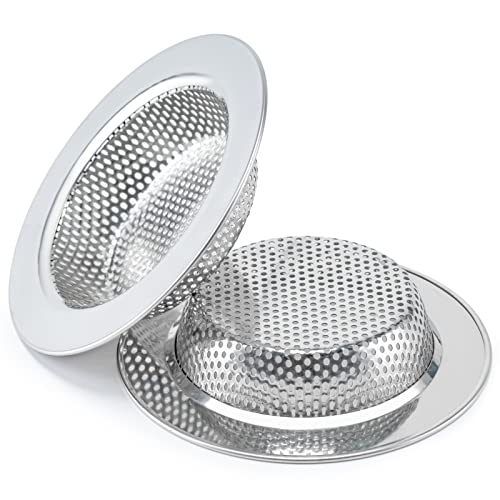
To compare options, browse plumbing snakes and drain augers, keep a closet auger handy for toilets, and pick up drain strainers to prevent repeat clogs, along with waterproof gloves and splash-proof goggles.
As an Amazon Associate, we earn from qualifying purchases. If you click a link and buy, we may receive a small commission at no extra cost to you.
Related guides
More from Amazon
Programs that pair well with the guide above. Offers and eligibility are set by Amazon and may change.
A free business account with business pricing and bulk-buying tools for work, shop or home office.
Create a business accountFree shipping on eligible items, Prime Video and more. Eligible new members can start with a free trial.
Start a Prime free trialAudiobooks and podcasts to listen to on the go. Eligible new members can start with a free trial.
Try Audible freeAd-free music streaming. Eligible new subscribers can start with a free trial.
Try Music Unlimited freeAs an Amazon Associate we earn from qualifying purchases.
Write Your Review
No reviews yet. Be the first to share your experience!