
What's inside
- What is in this guide
- Why combo kits make sense (and when they do not)
- The main kinds of combo kits
- Choosing a battery platform
- Battery capacity and voltage explained
- Features that matter in the tools themselves
- Matching a kit to the job
- First-day setup and safety
- Care, storage, and battery life
- Common buying mistakes
- Who should choose which kit
- Pre-purchase checklist
- Frequently asked questions
- Conclusion
As an Amazon Associate I earn from qualifying purchases. This post may contain affiliate links at no extra cost to you.
Short answer: the best power tool combo kit is the one built around the work you do most, on a battery platform you are happy to stay with. For most homeowners that means a drill/driver and impact driver pair with two batteries and a charger. Remodelers and carpenters should step up to a four- to six-tool kit that adds a saw and a light. Skip any kit where half the tools are ones you will never pick up, because the bundle price only helps when you use what is in the box.
Our Top Picks
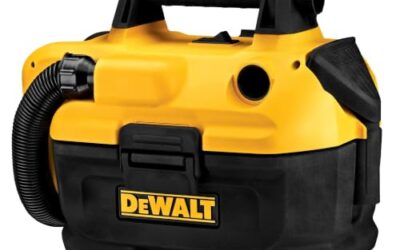
 DEWALT 20V MAX Cordless Drill and Impact DriverOne Size15.06 x 6.4 x 9.88 inches3.6 PoundsCheck on Amazon
 Mighty Max Battery MM-H6 Start and Stop CarGroup 4810.94 x 6.88 x 7.48 inches12 poundsCheck on Amazon


What is in this guide
- Why combo kits make sense (and when they do not)
- The main kinds of combo kits
- Choosing a battery platform
- Battery capacity and voltage explained
- Features that matter in the tools themselves
- Matching a kit to the job
- First-day setup and safety
- Care, storage, and battery life
- Common buying mistakes
- Who should choose which kit
- Pre-purchase checklist
- Frequently asked questions
- Conclusion
Why combo kits make sense (and when they do not)
A combo kit is a bundle of two or more cordless tools sold together, usually sharing one battery type and one charger. The appeal is simple arithmetic. Batteries and chargers are a large part of what a cordless tool costs, and when you buy tools individually as “bare tools” you still have to supply that power system separately. A kit spreads the battery cost across several tools, so the per-tool price is often lower than buying each piece alone.
The second advantage is consistency. When every tool in the bag takes the same battery, you carry fewer chargers, you can swap a fresh pack into whichever tool is running down, and you are never stuck with a dead tool because its proprietary battery is flat. That matters more than it sounds on a day of framing or deck work, when you might use a drill, an impact driver, and a saw within the same hour.
Kits are not always the right call. If you already own batteries on a given platform, a bare-tool purchase usually costs less than a kit that duplicates batteries you have. If you only ever drive screws and drill small holes, a two-tool kit is plenty and a larger bundle is waste. And if you need a single specialty tool, such as a large rotary hammer, a kit probably will not contain it. Treat a kit as a way to build a starter system, not as a bargain by definition.
The main kinds of combo kits
Combo kits fall into a few recognizable groups. The names vary by maker, but the contents follow familiar patterns. Understanding the groups is more useful than comparing individual kits, because the right group depends on your work.
Two-tool starter kits
The classic pairing is a drill/driver and an impact driver. The drill handles holes, mixing, and delicate fastening where the adjustable clutch keeps you from stripping screws. The impact driver handles long screws, lag fasteners, and repetitive driving with less wrist strain. Together they cover the large majority of household and light carpentry tasks. A starter kit typically includes two batteries, a charger, and a soft bag.
Mid-size kits of three to five tools
These add a circular saw, a reciprocating saw, or an oscillating multi-tool, usually plus a work light. This is the sweet spot for people who remodel, build decks, or do regular repairs. The additional tools pay off quickly because cutting is the second most common task after drilling and driving.
Large kits of six or more tools
Large kits may add a grinder, a jigsaw, a router, a vacuum, a radio, or an inflator. They are tempting because the headline tool count is high, but check each item against your habits. A kit with a tool you will use twice a year is fine if the cost is low, and a poor deal if the kit price rises noticeably to cover it.
| Kit type | Typical contents | Best for | Watch out for |
|---|---|---|---|
| Two-tool starter | Drill/driver, impact driver, two batteries, charger | Homeowners, renters, first-time buyers | No cutting tool; you will add a saw later |
| Mid-size (3-5 tools) | Drills plus saw, multi-tool, or light | Remodelers, DIYers with ongoing projects | Batteries may be small for saw work |
| Large (6+ tools) | Many tools, often one charger, sometimes just two batteries | Shops, contractors starting a platform | Tools you never use; too few batteries for the count |
Choosing a battery platform
The kit is a one-time purchase, but the battery platform is a long-term commitment. Once you own several batteries, every future tool purchase is cheaper if it takes the same pack. So before comparing kit contents, compare platforms.
Start with breadth. Does the manufacturer offer the tools you will realistically want in five years: a cut-off tool, a router, a vacuum, a lantern, perhaps a nailer? You do not need all of them, but a platform with a narrow lineup can leave you stranded or force you to run a second battery system.
Next, look at battery voltage lines. Many makers sell a compact line and a higher-power line, sometimes sharing a battery shape and sometimes not. Confirm whether the batteries in the kit will fit both lines, because buying into the wrong one means rebuying packs later.
Check availability too. A platform is only as useful as your ability to get replacement batteries, chargers, and accessories, so consider whether you can find them from retailers near you or online with sensible shipping. Finally, check the warranty terms in the product listing, since coverage on tools and on batteries can differ and the details change over time. Read the current terms rather than assuming.
Battery capacity and voltage explained
Battery specifications confuse many buyers, so here is the plain version.
- Voltage describes the electrical “push.” Higher voltage platforms generally aim at higher power tools. Marketing voltage numbers are nominal figures, and different makers label similar systems differently, so do not compare voltage across brands as if it were a score.
- Amp-hours (Ah) describe capacity, which is how long the battery runs before needing a charge. A battery with a higher amp-hour number runs longer under the same load, and it is usually larger and heavier.
- Watt-hours (Wh) combine voltage and amp-hours and give a more honest measure of stored energy. If a listing shows watt-hours, it is a good number for comparison within the same battery family.
What do you actually need? For drilling and driving, a compact battery is usually enough, and the lower weight reduces fatigue on overhead work. For saws, grinders, and anything that pulls heavy current for long stretches, a larger battery gives longer run time and often handles heat better. A kit that pairs a saw with only the smallest battery can leave you recharging frequently, so look at what the saw needs rather than only what the kit includes.
Two batteries are a sensible minimum. One charges while the other works. If a large kit ships with just one charger and two batteries for six tools, expect to wait during heavy use, or budget for extra packs.
Features that matter in the tools themselves
With a platform chosen, evaluate the tools. A few features separate comfortable, long-lived tools from frustrating ones.
Brushless versus brushed motors
Brushless motors generally run cooler, last longer, and use battery energy more efficiently than brushed motors, because they have no carbon brushes to wear out. They cost more, and the premium is usually worth it for tools you use often. For a drill you use a few times a year, a brushed model is acceptable.
Clutch and speed settings
A drill/driver should have a numbered clutch collar and at least two speed ranges. The low range gives torque for driving and large bits, and the high range gives speed for small drill bits. The clutch stops the tool from overdriving screws or snapping small fasteners.
Ergonomics and weight
Pick tools up if you can. Grip shape, balance with a battery attached, and the position of the switch all affect fatigue. A compact tool with a small battery is easier overhead. A larger tool with a bigger battery is steadier for sustained work.
Matching a kit to the job
Match the contents to what you will build or repair in the next year, not to a hypothetical dream workshop.
- Furniture assembly, shelving, hanging pictures, small repairs. A two-tool starter kit with compact batteries is ample.
- Deck building and fence work. Prioritize an impact driver, a circular saw, and larger batteries. Long structural screws are the main load.
- Interior remodeling. Add an oscillating multi-tool for trim and flush cuts, a reciprocating saw for demolition, and a work light.
- Cabinet and trim installation. Compact drivers, a trim-appropriate saw, and good light matter more than raw power.
- Metal work and tile. Look for a grinder or cut-off tool on the platform, and expect to buy it bare.
| Project type | Core tools | Battery guidance | Likely add-ons |
|---|---|---|---|
| Home repair | Drill/driver, impact driver | Two compact batteries | Multi-tool |
| Deck or fence | Impact driver, circular saw, drill | Mid or large batteries for saw | Reciprocating saw |
| Remodel | Drill, impact, multi-tool, recip saw, light | Mix of compact and large | Vacuum, jigsaw |
| Finish carpentry | Compact drill, impact, trim saw | Compact batteries | Router |
| Shop and fabrication | Drill, impact, grinder | Large batteries | Band saw, cut-off tool |
First-day setup and safety
Take twenty minutes with the manual before the first project. It is worth it.
- Inspect everything. Check for cracked housings, loose parts, or damaged batteries from shipping. Return a damaged battery rather than using it.
- Charge batteries fully before first use, following the charger’s instructions, on a hard non-flammable surface away from clutter.
- Register the tools if the maker offers it, and keep the receipt for warranty purposes.
- Set the clutch low and work upward until screws seat correctly.
- Check blade direction and guard function on saws before connecting a battery.
Battery safety deserves care. Lithium-ion batteries store a lot of energy in a small package. Do not charge a battery that is visibly swollen, leaking, or dented. Do not leave a battery charging unattended for long periods, and do not charge it in a hot vehicle or in direct sun. Keep terminals from touching loose metal such as nails or keys, which can short them. Use only chargers intended for that battery, and do not mix third-party packs unless the maker states they are compatible. If a battery gets hot to the touch, smells strange, or smokes, move away from combustibles if it is safe to do so, and follow the maker’s instructions and local guidance for disposal. Recycle spent batteries through a retailer or local program rather than throwing them in household trash.
Personal protective gear is not optional. Wear safety glasses for every operation. Use hearing protection with saws, grinders, and hammer-type tools, and wear a dust mask or respirator suitable for the material when cutting or sanding. Avoid loose sleeves and dangling cords near rotating tools. Secure workpieces with clamps rather than holding them with one hand.
Finally, remove the battery before changing blades, bits, or accessories. A cordless tool can start from an accidental trigger pull just as easily as a corded one.
Care, storage, and battery life
Good habits extend battery life measurably. Store batteries indoors at moderate temperatures, away from extreme heat and freezing cold. Avoid leaving them in a vehicle through summer or winter. If you will not use a battery for a long time, store it partly charged rather than fully charged or fully drained, according to the maker’s guidance.
Let a hot battery cool before putting it on a charger, and let a cold one come to room temperature first. Keep contacts clean and dry. A dry cloth is usually enough, and compressed air helps with sawdust in vents.
Common buying mistakes
- Counting tools instead of valuing them. A ten-tool kit is not better than a four-tool kit if six tools stay in the bag.
- Ignoring battery count. Many large kits stretch two batteries across numerous tools.
- Buying a platform with a thin lineup. You may regret it when you want a specific tool.
- Buying brushed tools for heavy daily use. The saving may not last under heavy workloads.
Who should choose which kit
The first-time homeowner should buy a two-tool kit, learn what jobs come up, and expand later. Compact batteries, a simple bit set, and a bag are enough.
The weekend DIYer with a big project list is well served by a mid-size kit with a circular saw and larger batteries, since cutting is the next bottleneck after driving.
The remodeler or carpenter should consider a mid-size or large kit from a platform with a deep lineup and consider bare-tool upgrades over time.
The person with existing batteries should usually buy bare tools and skip kits.
Pre-purchase checklist
- List the five jobs you expect to do in the next year.
- Confirm the kit includes the tools those jobs require.
- Count the batteries and chargers in the box.
- Check which battery line the kit uses and whether the platform covers future tools.
- Compare the kit price with the bare-tool prices for the same tools.
- Look for brushless motors on the tools you will use most.
- Check the weight of each tool with a battery attached.
- Read the current warranty terms for tools and batteries.
- Verify the return window before opening the box.
- Budget for bits, blades, safety glasses, and hearing protection.
- Find a safe, dry, moderate-temperature place to charge and store batteries.
Frequently asked questions
Is a combo kit really cheaper than buying tools one at a time?
Often, yes, because the batteries and charger are shared across the bundle. Compare the kit with bare-tool prices for the exact tools you want, and subtract the value of any tools you would not buy otherwise.
How many batteries should a kit have?
Two is a practical minimum so one can charge while the other works. For heavy saw use or larger kits, consider additional packs.
Are brushless tools worth the extra money?
For tools you use frequently, usually yes, because they tend to run cooler and use energy efficiently. For occasional use, brushed tools can be fine.
Can I use batteries from one brand in another brand’s tools?
Generally not, unless a maker or a recognized adapter specifically supports it. Mixing batteries with unsupported adapters can create safety and warranty problems, so follow the manufacturer’s guidance.
Should a beginner buy a drill and impact driver together?
That pairing covers most beginner tasks and is the most common starter bundle. The drill suits holes and delicate work, and the impact driver suits long fasteners.
What size battery is best for a combo kit?
Compact packs suit drilling and driving, and larger packs suit saws and grinders. A kit with one of each size gives flexibility.
Can I leave batteries on the charger?
Many chargers stop charging when the battery is full, but it is still wise to avoid leaving batteries on the charger for extended periods and to follow the maker’s instructions.
How do I dispose of an old tool battery?
Do not put it in household trash. Take it to a battery recycling drop-off, often available at home centers, or use your local hazardous-waste program. Tape the terminals if the program advises it.
Conclusion
The best combo kit is practical rather than flashy. Decide what you will build, choose a battery platform you can live with for years, and pick the smallest kit that covers your needs with enough batteries to keep working. Check the tools for the features that matter, such as brushless motors, a good clutch, and comfortable weight, and ignore inflated tool counts. Handle batteries carefully, wear eye and ear protection, and store everything dry and at moderate temperatures. Do those things and a kit will serve you well for a long time.
If you are ready to compare options, browse a selection of cordless combo kits, look at a drill and impact driver starter kit, add a spare compatible battery pack, and round out your protection with safety glasses and hearing protection.
As an Amazon Associate, powertoolsoutlet.com earns from qualifying purchases. This comes at no extra cost to you.
Related guides
More from Amazon
Programs that pair well with the guide above. Offers and eligibility are set by Amazon and may change.
A free business account with business pricing and bulk-buying tools for work, shop or home office.
Create a business accountFree shipping on eligible items, Prime Video and more. Eligible new members can start with a free trial.
Start a Prime free trialAudiobooks and podcasts to listen to on the go. Eligible new members can start with a free trial.
Try Audible freeAd-free music streaming. Eligible new subscribers can start with a free trial.
Try Music Unlimited freeAs an Amazon Associate we earn from qualifying purchases.

Write Your Review
No reviews yet. Be the first to share your experience!