
Our Top Picks
What's inside
- Table of Contents
- Why Go Cordless for Woodworking?
- DEWALT 20V MAX XR Random Orbital Sander (DCW210B)
- Bosch 18V Brushless Random Orbit Sander (GEX18V-5N)
- Milwaukee M18 Random Orbit Sander (2648-20)
- Makita 18V LXT Random Orbit Sander (XOB01Z)
- RYOBI 18V ONE+ Random Orbit Sander (PCL406B)
- How to Choose a Cordless Random Orbital Sander
- FAQ
- Conclusion
As an Amazon Associate I earn from qualifying purchases. This post may contain affiliate links at no extra cost to you.
- Top Pick: DEWALT 20V MAX XR Random Orbital Sander (DCW210B)
- Runner-up: Bosch 18V Brushless Random Orbit Sander (GEX18V-5N)
- Also consider: Milwaukee M18 Random Orbit Sander (2648-20)
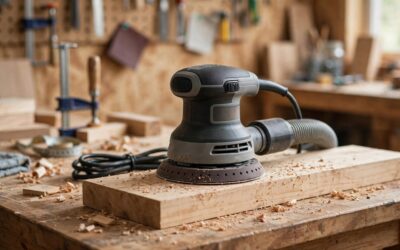
The best cordless random orbital sander for most woodworkers is the DEWALT DCW210B, a brushless 5-inch model with a wide variable-speed range that handles everything from stripping old finish to final polishing passes. If you already own batteries from another platform, though, the smarter buy is the sander that matches them: the Bosch GEX18V-5N for finish quality, the Milwaukee 2648-20 for M18 owners, the three-speed Makita XOB01Z for LXT users, and the RYOBI PCL406B as the budget entry point. Every pick below is a 5-inch hook-and-loop machine, so the real differences come down to motor type, speed control, orbit size, dust collection, and battery system.
As an Amazon Associate, we earn from qualifying purchases.
Table of Contents
- Why Go Cordless for Woodworking?
- DEWALT 20V MAX XR Random Orbital Sander (DCW210B)
- Bosch 18V Brushless Random Orbit Sander (GEX18V-5N)
- Milwaukee M18 Random Orbit Sander (2648-20)
- Makita 18V LXT Random Orbit Sander (XOB01Z)
- RYOBI 18V ONE+ Random Orbit Sander (PCL406B)
- How to Choose a Cordless Random Orbital Sander
- FAQ
- Conclusion
- Product and ASIN Reference
Why Go Cordless for Woodworking?
A corded sander tethers you to an outlet and drags a cable across the workpiece, which is a real annoyance when you are working around a tabletop, sanding cabinet doors on sawhorses, or finishing installed trim. A cordless random orbital sander removes the cable entirely, so you can walk around large panels, work outside the shop, and sand vertical surfaces without the cord pulling the tool off balance. Modern brushless motors and high-capacity batteries have closed most of the performance gap, and for typical furniture and cabinet work a cordless model now removes stock at a satisfying pace. The trade-offs are runtime, which depends on battery capacity, and the fact that nearly all of these tools are sold bare, so the platform you choose matters as much as the sander itself.
DEWALT 20V MAX XR Random Orbital Sander (DCW210B)

The DCW210B is the most complete all-rounder in this group and the natural premium pick for anyone on, or willing to join, the DEWALT 20V MAX platform. Its brushless motor delivers efficient runtime and pairs with a variable-speed dial that spans 8,000 to 12,000 orbits per minute, the widest usable range here for matching aggression to the task. Slow it down for veneer and between-coat scuffing, or run it at full speed to level glued-up panels and strip worn finishes. The low-profile body lets you get close to the work with one hand while the other guides the panel, and the textured rubber grip keeps control steady during long sessions.
Dust handling is well thought out. The dust port locks onto DEWALT’s DWV010 and DWV012 dust extractors, and it accepts standard vacuum hoses with the appropriate adapter, which matters because a random orbital sander only finishes as cleanly as its dust extraction allows. The one-handed locking dust bag covers quick jobs away from the shop vac. The 5-inch pad uses an 8-hole hook-and-loop face, so discs are cheap and available everywhere. Sold as a bare tool, it makes the most sense for woodworkers who already run DEWALT batteries, but the combination of brushless efficiency, speed range, and extraction options makes it the easiest sander here to recommend outright.
Specs
- Platform: DEWALT 20V MAX
- Motor: Brushless
- Speed: Variable, 8,000–12,000 OPM
- Pad size: 5 in, 8-hole hook-and-loop
- Dust collection: Locking dust bag; port fits DWV010/DWV012 extractors and vacuum hoses with adapter
- Configuration: Bare tool (battery and charger sold separately)
- Tier: Premium
Bosch 18V Brushless Random Orbit Sander (GEX18V-5N)

The Bosch GEX18V-5N is the finish specialist of the group and the premium pick for woodworkers who prioritize a swirl-free surface over raw stock removal. Its brushless EC motor holds a steady speed under load, and the fine 5/64-inch orbit diameter is the smallest here, which translates into shallower scratch patterns and less corrective hand sanding before finish goes on. Variable speed runs from 6,200 to 10,400 OPM, and a soft-start feature ramps the pad up gradually so the tool does not gouge or skate across the surface at switch-on.
At 2.4 pounds without a battery, it is also the lightest full-size sander in this roundup, with a compact palm-grip body and vibration-dampening design aimed at long finishing sessions on cabinet doors, drawer fronts, and tabletops. The microfilter dust canister seals tightly against the pad housing, and the port connects to vacuum hoses for shop-based work. The compromise is ecosystem size: Bosch 18V is a smaller platform in North American shops than DEWALT or Milwaukee, and the tool is sold bare. If finish quality is the priority and you are on Bosch batteries, this is the one to buy.
Specs
- Platform: Bosch 18V
- Motor: Brushless (EC)
- Speed: Variable, 6,200–10,400 OPM, with soft start
- Orbit diameter: 5/64 in
- Pad size: 5 in, hook-and-loop
- Weight: 2.4 lb (tool only)
- Dust collection: Microfilter dust canister; vacuum hose compatible
- Configuration: Bare tool (battery and charger sold separately)
- Tier: Premium
Milwaukee M18 Random Orbit Sander (2648-20)

For the large number of woodworkers already running Milwaukee M18 batteries, the 2648-20 is the obvious mid-range answer, and it is currently the only 5-inch random orbital sander in the M18 system. A variable-speed dial covers 7,000 to 12,000 OPM, matching the DEWALT at the top end, so it can strip finish aggressively or settle down for final passes. The 3/32-inch orbit sits between the Bosch’s fine finishing orbit and a coarse removal tool, a good single-sander compromise for mixed work.
Dust collection is a strength: the dust canister carries an integrated filter for finer particles, and Milwaukee includes a universal vacuum hose adapter in the box, a small detail that saves a separate purchase. The tool weighs about 2 pounds bare and balances well on an M18 pack. The honest limitation is the brushed motor, which is less efficient than the brushless units from DEWALT and Bosch, so runtime per charge trails them somewhat. None of that changes the core logic: if your shop runs on M18, this is your cordless sander.
Specs
- Platform: Milwaukee M18
- Motor: Brushed
- Speed: Variable, 7,000–12,000 OPM
- Orbit diameter: 3/32 in
- Pad size: 5 in, hook-and-loop
- Weight: 2 lb (tool only)
- Dust collection: Dust canister with integrated filter; universal vacuum hose adapter included
- Configuration: Bare tool (battery and charger sold separately)
- Tier: Mid-range
Makita 18V LXT Random Orbit Sander (XOB01Z)

The Makita XOB01Z takes a different approach to speed control: instead of a dial, a one-touch electronic switch cycles through three preset speeds of 7,000, 9,500, and 11,000 OPM. That is genuinely convenient mid-task, because you can bump the speed up or down with a thumb press rather than stopping to turn a dial, and the pad control system keeps the pad from spinning freely at start-up, which helps avoid startup swirl marks on finished surfaces. The large 1/8-inch orbit diameter is the biggest in this group, so the Makita removes material faster than the fine-orbit Bosch and earns its reputation for efficient, swirl-free results on small to medium jobs.
Makita rates runtime at up to 40 minutes of continuous sanding on the low setting with a 5.0Ah LXT battery, enough for a set of cabinet doors or a small tabletop between charges. The tool weighs 2.9 pounds bare and ships with a dust bag, and the body is compact with a comfortable grip for overhead and vertical work. As a mid-range pick it suits the huge installed base of 18V LXT owners; if you are starting from zero batteries, factor a battery and rapid charger into the comparison.
Specs
- Platform: Makita 18V LXT
- Motor: Brushed
- Speed: 3 settings, 7,000 / 9,500 / 11,000 OPM, one-touch electronic switch
- Orbit diameter: 1/8 in
- Pad size: 5 in, hook-and-loop
- Weight: 2.9 lb (tool only)
- Dust collection: Dust bag included; vacuum connection via optional adapter
- Configuration: Bare tool (battery and charger sold separately)
- Tier: Mid-range
RYOBI 18V ONE+ Random Orbit Sander (PCL406B)

The RYOBI PCL406B is the budget pick and the most sensible first cordless sander for hobbyists, because the 18V ONE+ platform is one of the least expensive ecosystems to enter. It runs at a fixed 10,000 OPM, which sits in the productive middle of the ranges offered by the dial-equipped models: fast enough for general stock removal and smoothing, if less adaptable for delicate veneer work or slow between-coat passes.
The basics are covered properly. The 5-inch hook-and-loop pad takes standard discs, the dust port accepts both 1-1/4-inch and 1-7/8-inch vacuum hoses in addition to the onboard dust collection, and multiple grip zones with a rubber-sealed rocker switch make it comfortable and easy to control. At 2.49 pounds it is light, and RYOBI designs the body for reduced vibration compared with its earlier cordless sanders. You give up variable speed and brushless efficiency versus the premium picks, and heavy all-day sanding will cycle batteries quickly. For occasional furniture projects and general shop use, it delivers the essential capability at the lowest commitment.
Specs
- Platform: RYOBI 18V ONE+
- Motor: Brushed
- Speed: 10,000 OPM (fixed)
- Pad size: 5 in, hook-and-loop
- Weight: 2.49 lb (tool only)
- Dust collection: Onboard dust collection; port fits 1-1/4 in and 1-7/8 in vacuum hoses
- Configuration: Bare tool (battery and charger sold separately)
- Tier: Budget
How to Choose a Cordless Random Orbital Sander
Start with the battery platform, because it decides your real cost. Every sander here is sold as a bare tool, so if you already own 18V or 20V batteries from one of these brands, the matching sander is almost always the right choice. Buying into a new platform just for a sander only makes sense if you plan to add more tools from that line later.
Next, match the orbit diameter to your work. A fine orbit around 5/64 inch, like the Bosch, leaves the shallowest scratch pattern and suits finish sanding and work between coats. A larger orbit around 1/8 inch, like the Makita, removes material faster and is better for stripping and leveling. A mid-size orbit near 3/32 inch splits the difference for a one-sander shop.
Speed control matters more than top speed. A variable dial or multiple speed settings lets you slow down for veneer and finish coats, where heat and aggression cause damage. Fixed-speed sanders are fine for general work but less forgiving. Brushless motors, offered by the DEWALT and Bosch, run more efficiently, stretch battery runtime, and typically last longer, which justifies their premium tier if you sand often.
Finally, take dust collection seriously. Fine dust is both a health hazard and a finish-quality problem, since trapped grit scratches the surface. A sander that seals well to a shop vacuum or dust extractor will produce better finishes and a cleaner shop than one relying on a small dust bag alone. Also check pad size and disc pattern: all five picks use common 5-inch 8-hole hook-and-loop discs, so abrasives stay cheap and easy to find.
FAQ
Is a cordless random orbital sander powerful enough for furniture work?
Yes, for the sanding tasks furniture and cabinet work actually involve: smoothing panels, stripping old finish, and preparing surfaces for stain or paint. Current 18V and 20V models run at speeds comparable to corded sanders. Where corded tools still win is unlimited runtime during hours of continuous heavy stock removal, which is belt sander territory anyway.
How long will a cordless sander run on one battery?
It depends on battery capacity and speed setting. As a published reference point, Makita rates the XOB01Z at up to 40 minutes of continuous use on its lowest speed with a 5.0Ah battery. Higher speeds and smaller batteries shorten that figure, so most shops keep a second battery on the charger and swap rather than stop.
What is the difference between orbit diameter and OPM?
OPM is how many orbits the pad makes per minute, which controls how fast the tool works. Orbit diameter is the size of each orbit: a smaller diameter leaves a finer, shallower scratch pattern suited to finishing, while a larger diameter cuts more aggressively. For the best finish, choose the orbit for your task first, then adjust speed.
Can I use the same sanding discs on all of these sanders?
Generally yes. All five picks use 5-inch hook-and-loop discs with an 8-hole dust extraction pattern, the most common format sold. Check the hole pattern when buying discs, because a mismatched pattern blocks the dust ports and reduces extraction, even if the disc sticks to the pad.
Conclusion
For a single recommendation, the DEWALT DCW210B combines a brushless motor, the joint-widest speed range, and strong dust extraction, making it the best cordless random orbital sander for woodworking overall. The Bosch GEX18V-5N is the better choice when finish quality comes first, thanks to its fine orbit and light, low-vibration body. Milwaukee’s 2648-20 and Makita’s XOB01Z serve their platform owners well with different control styles, and the RYOBI PCL406B covers the essentials at a budget tier. Pick the platform first, the orbit second, and any of these five will handle a shop’s sanding work without a cord.
Related guides
More from Amazon
Programs that pair well with the guide above. Offers and eligibility are set by Amazon and may change.
A free business account with business pricing and bulk-buying tools for work, shop or home office.
Create a business accountFree shipping on eligible items, Prime Video and more. Eligible new members can start with a free trial.
Start a Prime free trialAudiobooks and podcasts to listen to on the go. Eligible new members can start with a free trial.
Try Audible freeAd-free music streaming. Eligible new subscribers can start with a free trial.
Try Music Unlimited freeAs an Amazon Associate we earn from qualifying purchases.

Write Your Review
No reviews yet. Be the first to share your experience!