
Key takeaways
- Compare the best cordless impact drivers for woodworking, from compact 12V drivers for cabinet interiors to brushless 18V models for hardwood joinery work.
What's inside
- Table of Contents
- What Woodworking Asks of an Impact Driver
- Milwaukee M18 FUEL 1/4-Inch Hex Impact Driver (2953-20)
- Makita 18V LXT Brushless Quick-Shift Mode Impact Driver (XDT16Z)
- DEWALT 20V MAX XR Brushless 3-Speed Impact Driver (DCF887B)
- Milwaukee M12 FUEL 1/4-Inch Hex Impact Driver (3453-20)
- Ryobi 18V ONE+ Impact Driver (PCL235B)
- How to Choose
- FAQ
- Conclusion
As an Amazon Associate I earn from qualifying purchases. This post may contain affiliate links at no extra cost to you.
Table of Contents
- What Woodworking Asks of an Impact Driver
- Milwaukee M18 FUEL Impact Driver (2953-20)
- Makita 18V LXT Impact Driver (XDT16Z)
- DEWALT 20V MAX XR Impact Driver (DCF887B)
- Milwaukee M12 FUEL Impact Driver (3453-20)
- Ryobi 18V ONE+ Impact Driver (PCL235B)
- How to Choose
- FAQ
- Conclusion
- Product and ASIN Reference
What Woodworking Asks of an Impact Driver
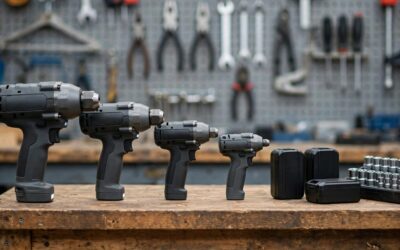
For woodworking, the best cordless impact driver is a compact brushless model with a short head length for cabinet interiors, a low-speed or precision mode that seats screws in hardwood without snapping them, and enough top-end torque for lag screws and flat-pack hardware. The Milwaukee M18 FUEL 2953-20 leads this roundup on control and speed, the Makita XDT16Z counters with the most refined drive modes in the class, and the Ryobi PCL235B covers the budget tier for occasional shop use.
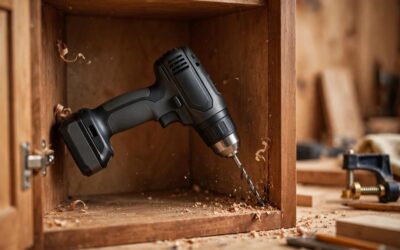
Wood joinery is less forgiving than framing. A driver ideal for deck screws can split a hardwood rail, cam out of a brass screw, or bury a fastener head below the surface of a face frame before the trigger finger reacts. That is why this roundup weights published control features — speed ranges, precision modes, and self-tapping settings — as heavily as headline torque. Head length matters too, because much cabinet work happens inside boxes where a long tool body does not fit.
All five drivers below use a standard quarter-inch hex collet, so bits swap in seconds. Four of the five are sold as bare tools, suiting woodworkers who already own batteries on a platform. Specs come from the manufacturers’ published figures and the Amazon listings, and each pick is grouped into a budget, mid-range, or premium tier rather than quoted by price.
As an Amazon Associate, we earn from qualifying purchases.
Milwaukee M18 FUEL 1/4-Inch Hex Impact Driver (2953-20)

The Milwaukee 2953-20 is the premium pick for woodworkers who split time between fine assembly and heavier fastening. Its published figures lead the group: up to 2,000 inch-pounds of torque, a no-load speed of 0 to 3,900 RPM, and up to 4,400 impacts per minute from the POWERSTATE brushless motor. Despite that output, the tool head measures only 4.47 inches long, the shortest of the full-size drivers here, which matters when driving pocket-hole screws inside a cabinet carcass or reaching hinges at the back of a deep drawer box.
Control is the reason this driver suits woodworking rather than just job sites. The four-mode drive control includes a dedicated self-tapping screw mode designed to reduce the walking and stripping that happen when self-drilling screws start, and the lower modes tame the driver for short hinge and hardware screws. Milwaukee also rates this generation for improved trigger control, so feathering the trigger to ease a screw home in oak or maple is more predictable than the on-off feel of older drivers. A tri-LED work light around the collet helps inside unlit cabinet interiors.
Specs:
- Model: 2953-20
- Platform: Milwaukee M18, 18V
- Motor: POWERSTATE brushless
- Max torque: 2,000 in-lbs
- No-load speed: 0–3,900 RPM
- Impact rate: 0–4,400 IPM
- Drive control: 4 modes, including self-tapping screw mode
- Length: 4.47 in
- Weight: 2.2 lb (tool only)
- Collet: 1/4-inch hex
- Lighting: tri-LED work light
- Configuration: tool only, battery sold separately
- Tier: premium
For a shop already running M18 batteries, this is the driver that covers delicate hardware work and long construction screws into hardwood without a tool change.
Makita 18V LXT Brushless Quick-Shift Mode Impact Driver (XDT16Z)

The Makita XDT16Z is built around control rather than raw numbers, and its published drive technology is the most woodworking-specific in this roundup. Maximum torque is 1,600 inch-pounds, with no-load speed up to 3,600 RPM and up to 3,800 impacts per minute across four speed and power settings. The headline feature is Quick-Shift Mode, an automatic electronic control that Makita describes as downshifting and reducing rotation and impact speed before the screw tightens, aimed squarely at preventing screw stripping, breakage, and damage to the workpiece — the failures that ruin finished wood.
Two further modes matter in the shop. Assist Mode, or A-mode, starts rotation slowly and then speeds up for full tightening, which helps keep long screws tracking straight into end grain. T-mode is a tightening mode for self-drilling screws, useful for metal brackets and drawer slides. The body is compact at 4 and 9/16 inches long, and dual LED lights sit either side of the collet.
Specs:
- Model: XDT16Z
- Platform: Makita 18V LXT
- Motor: brushless
- Max torque: 1,600 in-lbs
- No-load speed: 0–3,600 RPM
- Impact rate: up to 3,800 IPM
- Drive control: 4 speed/power settings plus Quick-Shift Mode, Assist Mode, and T-mode
- Length: 4-9/16 in
- Weight: 3.4 lb with 5.0Ah battery
- Collet: 1/4-inch hex
- Lighting: dual LED work lights
- Configuration: tool only, battery sold separately
- Tier: premium
Woodworkers on the LXT platform who do a lot of visible joinery, where one snapped screw in a finished surface costs real time, get the most from this driver’s tightening control.
DEWALT 20V MAX XR Brushless 3-Speed Impact Driver (DCF887B)
The DEWALT DCF887B sits in the mid-range tier and remains one of the most balanced drivers for a mixed woodworking shop. Published output is 1,825 inch-pounds of maximum torque, 0 to 3,250 RPM, and 0 to 3,600 impacts per minute from a brushless motor. The three-speed selector is the practical feature here: speed one runs the Precision Drive setting, positioned for delicate work where overdriving a screw would damage the material, while speeds two and three handle general fastening and heavier lag work.
At 5.3 inches long and 2 pounds for the bare tool, the DCF887B is easy to maneuver around a bench project and light enough for overhead cabinet installation runs. The one-handed quarter-inch chuck accepts one-inch bit tips and releases with a push, so swapping between a driver bit and a countersink during assembly is quick. Three LEDs with a twenty-second delay after trigger release keep the work area lit while both hands reposition a workpiece, which helps when setting hinges alone.
Specs:
- Model: DCF887B
- Platform: DEWALT 20V MAX XR
- Motor: brushless
- Max torque: 1,825 in-lbs
- No-load speed: 0–3,250 RPM
- Impact rate: 0–3,600 IPM
- Drive control: 3 speeds, with Precision Drive in speed 1
- Length: 5.3 in
- Weight: 2.0 lb (tool only)
- Collet: 1/4-inch hex, one-handed loading, accepts 1-inch bit tips
- Lighting: 3 LEDs with 20-second delay
- Configuration: tool only, battery sold separately
- Tier: mid-range
For woodworkers already holding DEWALT batteries, this is the straightforward recommendation: enough precision control for cabinet work, and enough torque for shop-built benches and jigs.
Milwaukee M12 FUEL 1/4-Inch Hex Impact Driver (3453-20)

The Milwaukee 3453-20 is the subcompact pick, and for pure cabinet and furniture assembly it may be the most useful driver in this roundup. The 12V brushless motor delivers 1,500 inch-pounds of torque, 0 to 3,600 RPM, and 0 to 4,000 impacts per minute — figures that overlap many older 18V tools — in a body only 5 inches long that fits between face-frame stiles and inside drawer boxes. The four-mode drive control includes a dedicated self-tapping screw mode, the same control philosophy as its M18 sibling, scaled down for finer work.
In a woodworking context the appeal is fatigue and access. Hanging a full kitchen of cabinets or installing dozens of hinges involves hundreds of short driving cycles, and a lighter tool is easier to keep square to the screw all day. The tri-LED light setup carries over from the larger FUEL driver, so visibility inside carcasses stays good. Torque is the trade-off: long lag screws into dense hardwood are slower work for this driver than for the 18V models above.
Specs:
- Model: 3453-20
- Platform: Milwaukee M12, 12V
- Motor: POWERSTATE brushless
- Max torque: 1,500 in-lbs
- No-load speed: 0–3,600 RPM
- Impact rate: 0–4,000 IPM
- Drive control: 4 modes, including self-tapping screw mode
- Length: 5.0 in
- Collet: 1/4-inch hex
- Lighting: tri-LED work light
- Configuration: tool only, battery sold separately
- Tier: mid-range
Cabinet installers and hobbyists whose driving is mostly screws under three inches get full-size control features here without full-size weight.
Ryobi 18V ONE+ Impact Driver (PCL235B)

The Ryobi PCL235B is the budget-tier entry, a brushed-motor driver for woodworkers who drive screws occasionally rather than daily. Its published output is competitive on paper: up to 1,800 inch-pounds of torque, 0 to 2,700 RPM, and 0 to 3,400 impacts per minute through a variable-speed trigger. What it lacks next to the brushless drivers above is electronic drive control — there are no speed modes or precision settings, so finesse comes entirely from trigger feel.
For straightforward shop tasks that trade-off is acceptable. Assembling shop furniture, driving screws for jigs and storage projects, and hanging shelves sit comfortably within its ratings, and the ONE+ platform means the same batteries run many other tools a home shop is likely to own. The Tri-Beam LED work light and MAGTRAY magnetic holder are practical touches at this tier, and the quick-connect collet swaps bits without tools.
Specs:
- Model: PCL235B
- Platform: Ryobi 18V ONE+
- Motor: brushed
- Max torque: 1,800 in-lbs
- No-load speed: 0–2,700 RPM
- Impact rate: 0–3,400 IPM
- Drive control: variable-speed trigger, no electronic modes
- Collet: 1/4-inch hex, quick-connect
- Lighting: Tri-Beam LED work light
- Extras: MAGTRAY magnetic screw and bit holder
- Configuration: tool only, battery sold separately
- Tier: budget
As a first impact driver for a home workshop, or a second driver kept loaded with a countersink bit, the PCL235B covers the basics at the lowest tier here.
How to Choose
Start with head length and weight. Cabinet and furniture work happens in confined boxes. Drivers around four and a half to five inches long reach fasteners that longer tools cannot, and lighter tools stay square to the screw during long hardware runs.
Match drive control to your materials. Working in hardwood or near finished surfaces calls for a low speed, a precision mode, or an automatic tightening control like those on the Makita and the two Milwaukee drivers. Softwood projects are more forgiving, and a simple variable-speed trigger like the Ryobi’s is enough.
Treat headline torque as a ceiling, not a target. Most woodworking screws need a fraction of the torque these tools publish. High maximum torque matters for lag screws and dense hardwoods; for hinge screws, the lowest controlled setting matters more than the highest number.
Buy into the battery platform you already own. Four of these five drivers are bare tools. A driver that shares batteries with your drill or saw saves money and bench space, and platform fit outweighs small spec differences.
Check the collet and lighting. Every pick here uses a quarter-inch hex collet, but one-handed loading and multi-LED lighting help when one hand holds a workpiece.
FAQ
Is an impact driver or a drill better for woodworking?
They do different jobs. A drill-driver with a clutch is better for drilling clean holes and for very small screws where a slipping clutch protects the work. An impact driver is better for driving many screws, long screws, and fasteners into hardwood, because the impact action keeps driving without twisting the tool in your hand. Most shops end up with both.
Will an impact driver snap screws in hardwood?
It can, especially small brass or soft-metal screws, which is why low-speed and precision modes matter. Published control features such as the Makita’s Quick-Shift Mode and DEWALT’s Precision Drive exist to slow the tool as the screw seats. Driving on the lowest setting, using a pilot hole in dense hardwood, and stopping as the head seats keeps breakage rare.
How much torque does a woodworking impact driver need?
For typical cabinet and joinery screws, drivers in the 1,400 to 1,600 inch-pound range are more than sufficient. Higher ratings near 2,000 inch-pounds help with lag screws, long construction screws, and dense hardwoods. Beyond the fastener sizes a wood shop normally uses, extra torque adds little, and control features contribute more to good results.
Are 12V impact drivers strong enough for cabinet work?
Yes, for the fasteners cabinet work actually uses. A brushless 12V driver such as the M12 FUEL 3453-20 publishes 1,500 inch-pounds of torque, which covers hinge screws, drawer-slide screws, pocket-hole screws, and general assembly with room to spare. An 18V or 20V driver is the better choice when the same tool must also drive long lag screws.
Conclusion
The right impact driver for woodworking is the one whose control features match your materials, not simply the one with the biggest torque figure. The Milwaukee M18 FUEL 2953-20 is the strongest all-round pick here, pairing class-leading published speed and torque with a short head and a self-tapping mode. The Makita XDT16Z is the precision specialist, built to protect finished work as screws seat. The DEWALT DCF887B gives DEWALT battery owners a balanced mid-range option, the M12 FUEL 3453-20 is the compact choice for cabinet interiors, and the Ryobi PCL235B covers occasional shop driving at the budget tier.
Related guides
More from Amazon
Programs that pair well with the guide above. Offers and eligibility are set by Amazon and may change.
A free business account with business pricing and bulk-buying tools for work, shop or home office.
Create a business accountFree shipping on eligible items, Prime Video and more. Eligible new members can start with a free trial.
Start a Prime free trialAudiobooks and podcasts to listen to on the go. Eligible new members can start with a free trial.
Try Audible freeAd-free music streaming. Eligible new subscribers can start with a free trial.
Try Music Unlimited freeAs an Amazon Associate we earn from qualifying purchases.
Write Your Review
No reviews yet. Be the first to share your experience!