Best Impact Driver Under $100
Our Top Picks
 DEWALT 20V MAX Cordless Drill and Impact DriverOne Size15.06 x 6.4 x 9.88 inches3.6 PoundsCheck on Amazon


What's inside
As an Amazon Associate I earn from qualifying purchases. This post may contain affiliate links at no extra cost to you.
Under $100 is the most manipulated price band in cordless tools. It is where brands park entry kits designed to look like the flagship model, and it is where the biggest gap sits between what a listing implies and what actually ships in the box. Finding the best impact driver under 100 is less about picking a winner and more about learning which corners were cut to hit that number, because every kit in this range cut at least one.
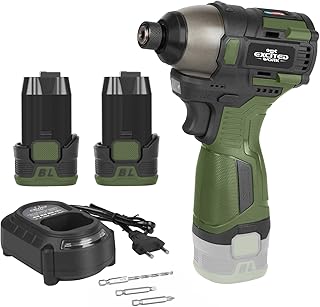
Three cuts show up over and over: a compact 1.5Ah or 2.0Ah battery instead of a real 4.0Ah or 5.0Ah pack, a slow charger that takes an hour or more instead of 30 minutes, and a brushed motor with a single speed range instead of a brushless motor with a selectable mode. None of those are automatically disqualifying. A brushed driver with a small battery is genuinely fine for assembling furniture and hanging blinds. It is a poor buy if you thought you were getting a deck-building tool at 60 percent off.
As an Amazon Associate we earn from qualifying purchases at no extra cost to you.




What the under-$100 tiers actually get you
Prices in this band move constantly, so think in tiers rather than dollar figures. The table below is how the sub-$100 market segments itself in practice, regardless of what any given week’s price looks like.
| Tier | Motor and battery | Best honest use |
|---|
| Tier | Motor and battery | What you should expect | Best honest use |
|---|---|---|---|
| Budget kit (bottom third of the band) | Brushed, one 1.5-2.0Ah pack, slow charger | Roughly 1,200-1,500 in-lbs claimed torque, noticeable heat under load | Furniture, cabinet hardware, light fencing, occasional auto work |
| Mid kit (middle of the band) | Brushed or entry brushless, one 2.0Ah pack | Better trigger control, sometimes two speed modes | Homeowner repairs, decking in short sessions, DIY framing |
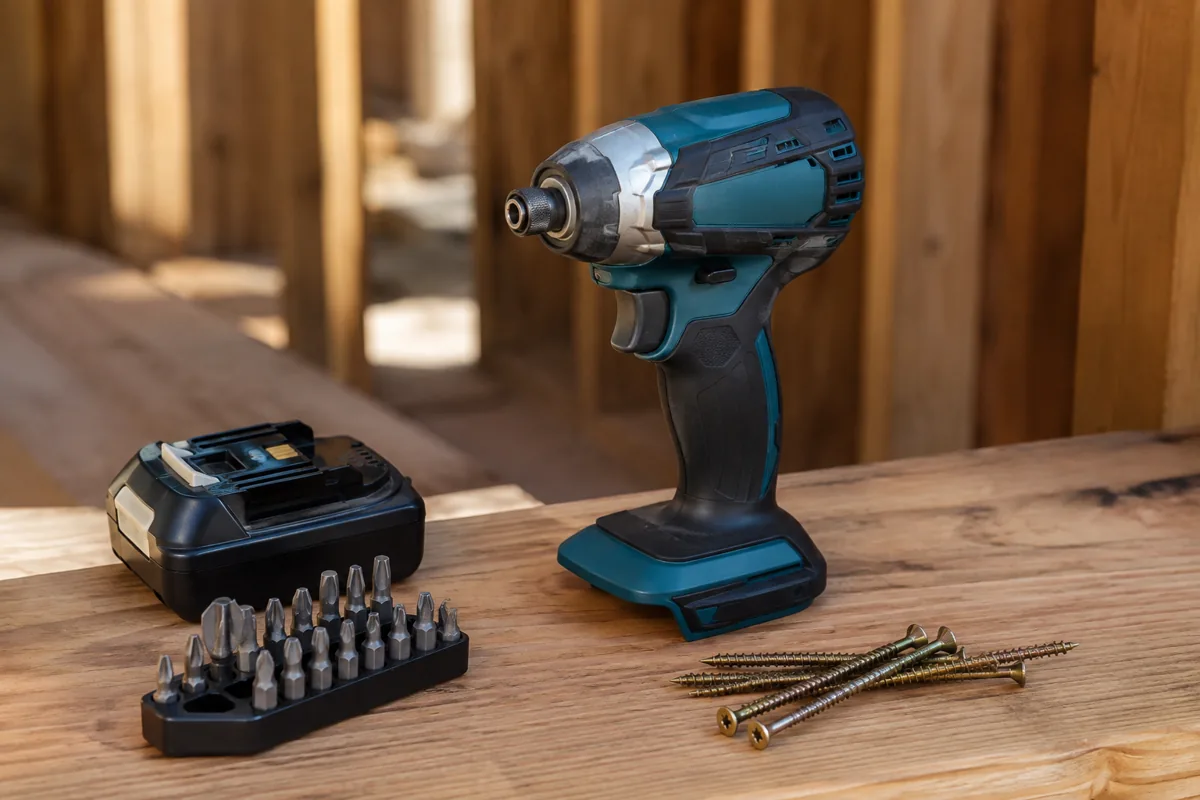
| Bare tool from a pro line (top of the band) | Brushless flagship body, no battery, no charger | Full pro performance only if you already own packs | Anyone with existing batteries in DeWalt XR, Milwaukee FUEL, Makita LXT, or Ryobi ONE+ |
That third row is where most of the real value hides, and it is also the row most buyers skip because a bare tool feels like an incomplete purchase. If you own even one battery on a major platform, a bare brushless driver under $100 outperforms every complete budget kit at the same price, without exception. There is no scenario where a brushed kit beats a flagship body running on a pack you already have.
The three deal tricks to watch in this price band
The battery downgrade. This is the most common one. A brand sells a kit at a headline price by including its smallest pack. Compact packs are not just shorter runtime, they also sag under load, which means the tool delivers less real-world torque than the spec sheet suggests. Read the kit contents line, not the title. If the listing says “2.0Ah” anywhere and the photo shows a slim pack, budget another purchase for a larger battery later and add that to your true cost.
The inflated was-price. Impact driver kits are chronic offenders here. A kit that has floated in the same narrow range for eight months gets a list price 40 percent above its street price, and every sale looks like a discount. Before you buy, check whether the current price is actually below the tool’s typical range using a price history tracker, or at minimum compare the same kit across Amazon, Home Depot, Lowe’s, and Acme Tools. If three retailers show the same number, that number is the real price and the strikethrough is decoration.
The lookalike model. Big brands run near-identical bodies at very different performance levels, and the entry version often shares a color scheme and general shape with the pro version. Compare the stated torque figure and whether the tool is described as brushless. If the listing does not say brushless, it is brushed.
Brushless bare-tool impact drivers
The strongest play in this band, full stop. A flagship brushless body without battery or charger frequently lands under $100, especially around holiday tool events. It gives you multi-speed modes, real torque, and a tool you will not replace in two years. Only worth it if you already own compatible packs, or can find a battery-and-charger starter kit cheaply on the same platform.
How to pick the best impact driver under 100 for your actual work
Start by counting fasteners. If your typical job is under about 50 screws at a stretch, a compact battery is not a real constraint and a budget kit is a reasonable purchase. If you are driving a few hundred screws in a session, decking or subfloor or fencing, battery capacity matters more than motor type, and a kit with a single small pack will have you standing around waiting on a charger.
Then decide whether you are entering a platform or already in one. This is the single most consequential choice, more than any individual tool. Buying a cheap kit on a platform you will not expand means every future tool purchase starts from zero again. If you expect to own four or more cordless tools eventually, pick the ecosystem first and accept a slightly worse driver to get there.
Two specs are worth checking, and they are both usually listed. Torque, given in inch-pounds, tells you whether the tool will handle lag screws and stubborn rusted fasteners. A speed or mode selector matters more than most buyers expect, because a single-speed impact driver has one behavior: full send. That strips small screws and snaps drywall fasteners. Even two modes make a large difference in control.
Ignore marketing terms describing impacts per minute unless you are comparing tools within the same brand. It is not standardized across manufacturers in any way that helps you compare.
- ✔ Enough torque for nearly all homeowner tasks, even at the low end
- ✔ Cheap enough to justify owning alongside a drill instead of swapping bits
- ✔ Bare-tool options give access to pro-grade performance in this band
- ✔ Widely discounted during spring and holiday tool events
- ✘ Included batteries are almost always the smallest pack the brand sells
- ✘ Brushed motors run hotter and have shorter service lives under heavy use
- ✘ Chargers in budget kits are often the slow variant
- ✘ List prices are routinely inflated to manufacture the appearance of a discount
When to buy and when to wait
Impact driver kits follow a predictable discount calendar in the US market. The heaviest activity is Black Friday through mid-December, Father’s Day in June, spring project season in April and May, and Prime Day events. If you are shopping outside those windows and the price sits in the middle of the tool’s normal range, waiting a few weeks usually costs you nothing.
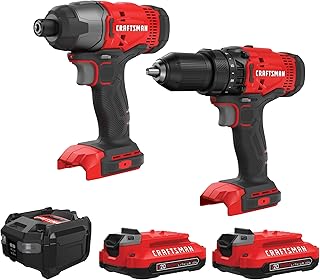
Buy immediately in two cases. First, when a combo kit with a drill and an impact driver lands near the price of the driver alone, which happens often enough during the holidays to be worth watching for. Second, when a battery-and-charger starter kit is bundled or discounted alongside a bare tool, since that combination is frequently cheaper than any complete kit at similar performance.
Wait when the only thing that changed is the strikethrough price, when the discount is entirely on a kit with a 1.5Ah pack, or when you are within a few weeks of a known sale event.
Budget impact driver kits with battery and charger
If you own no cordless tools at all, a complete kit is the honest starting point even with its compromises. You get a working tool, a battery, and a charger for one price. Accept the small pack, and treat a larger battery as your next purchase rather than a disappointment. Prioritize kits that include a charger you can live with and a platform with a broad tool lineup.
FAQ
Is a brushless impact driver worth it under $100? Only as a bare tool. Complete brushless kits at this price exist but usually pair the better motor with the smallest possible battery, which cancels much of the advantage. If you already own packs, brushless bare tools are the best value in the entire band.
How much torque do I actually need? For furniture, cabinets, and general repairs, anything in this price range is sufficient. For deck screws, lag bolts, and automotive fasteners, look toward the higher torque figures in the band and expect to need a larger battery to sustain them without heat buildup.
Should I buy a combo kit instead? Frequently yes. Drill-and-impact-driver combos on sale often cost close to a standalone impact driver kit, and you end up with two tools sharing one battery platform. Check combo pricing before buying any single-tool kit.
The short version: match the tier to your fastener count, verify the battery included rather than trusting the headline, and check the price history before believing any discount. If you already own batteries, a bare brushless body is the obvious answer. If you do not, buy the platform you plan to grow into.
Check prices on Amazon →