Best Affordable Tools for Patching Small Holes in Plaster Walls
What's inside
As an Amazon Associate I earn from qualifying purchases. This post may contain affiliate links at no extra cost to you.
For a few nail holes or small dents, you usually don’t need a powered tool or a large repair kit. A putty knife, a small tub of patching compound and sandpaper can handle the job for about $10–$25, depending on what you already own. The main value decision is whether to buy a basic one-off setup or a slightly better knife and compound that will be useful for future touch-ups.
As an Amazon Associate we earn from qualifying purchases at no extra cost to you.



Choose the right tools for the repair
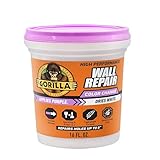
For holes up to about 1/4 inch across, a 3- or 4-inch flexible putty knife and lightweight spackling are usually enough. A small tub of lightweight spackling is convenient for scattered nail holes and small shallow dents. It is easy to spread and often dries faster than heavier compounds, but it can shrink in deeper holes and may need a second coat.
For a hole closer to 1/2 inch wide or a deeper chip, use a setting-type patching compound or a product labeled for deeper repairs. Apply it in thin layers rather than filling a deep cavity in one pass. Large or ragged holes need backing or a patch; filling them with spackle alone is a common way to get a cracked or sunken repair.
A basic 4-inch flexible putty knife is a good budget choice for small repairs. A flexible blade feathers compound more smoothly than a stiff, narrow scraper. You can use a plastic knife to save a few dollars, but it is less precise and can flex too much when scraping dried ridges. For occasional repairs, that trade-off is acceptable.
What to buy at different budgets
| Setup | Typical cost | Best for | Main trade-off |
|---|---|---|---|
| Plastic knife and small spackle tub | $5–$12 | A few shallow pin or nail holes | Less control; knife may flex |
| 4-inch metal putty knife and lightweight spackle | $10–$25 | Most small household touch-ups | May need a second coat on deeper holes |
| Metal knife, setting compound and sanding sponge | $15–$35 | Deeper dents or repeated repairs | Setting compound has a shorter working window |
Prices vary by store, package size and season, so treat these as typical ranges, not fixed quotes. A small tub is usually better value than a large bucket if you only have a handful of holes: partly used compound can dry out, and you may not save money if you throw the remainder away. If you expect to repair walls again, a metal knife costs a little more than a disposable plastic one but is easier to clean and reuse.
Brand matters less than choosing the right type of compound and a blade that feels comfortable. Compare the package’s coverage, drying instructions and whether it is intended for shallow or deeper repairs. A bargain tub that has dried around the lid is poor value, regardless of its label.
Patch the hole without making extra work
Remove loose paper, crumbling plaster and any raised paint around the hole. Don’t enlarge a sound hole just to make it look neat. If the surface is dusty, wipe it and let it dry. Press compound firmly into the hole, then draw the knife across it at a shallow angle. For a nail hole, a small amount is enough; for a deeper dent, leave the first coat slightly low and add another after it dries.
Follow the product’s drying time rather than assuming the surface is ready because it feels dry. Thick patches can stay damp underneath and later shrink, leaving a dip. Once dry, use a fine sanding sponge or 120- to 150-grit sandpaper to level the patch with the wall. A fine-grit sanding sponge is inexpensive and easier to hold than loose paper for a small patch. Sand lightly: aggressive sanding can tear the surrounding drywall paper or leave a visible hollow.
Wipe away dust before painting. On a small repair, matching the existing paint can be harder than filling the hole. If the patch flashes through the finish, prime it before touching up; bare compound absorbs paint differently from the surrounding wall. A tiny foam brush may work for a small spot, but paint sheen and color differences can still show under side lighting.
Common failures and when to spend more
Three problems account for most disappointing patches: using too much compound, sanding before it is fully dry, and trying to fill a deep hole in one coat. A thick mound takes longer to dry and is more likely to shrink. Use two thin coats when needed, and keep the knife clean so dried grit does not score the surface.
Spend more only when the repair demands it. If the hole is wider than roughly 1/2 inch, has damaged edges, or moves when pressed, a small tub of spackle and a putty knife may not be enough. Use a proper wall patch or repair the loose plaster first. For a few ordinary pinholes, however, a basic knife and inexpensive lightweight filler are entirely adequate.
When to buy
For a one-room refresh, buy the amount you can use soon and check lids and seals before leaving the store. Spring cleaning and pre-holiday painting can bring discounts on paint supplies, but small tools are often inexpensive year-round. Compare the total price of a kit with the parts you actually need: bundled sandpaper or extra blades are not savings if they will sit unused. For occasional repairs, a modest metal knife, a small fresh tub and a sanding sponge are a practical set without paying for a contractor-sized assortment.