Best Value Compact Airless Sprayer for Painting a Fence
What's inside
As an Amazon Associate I earn from qualifying purchases. This post may contain affiliate links at no extra cost to you.
Best value: a compact, corded airless sprayer
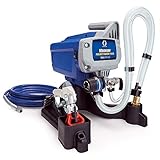
For a typical backyard fence, the best value is usually a compact electric airless sprayer in the homeowner or entry-level contractor class—not the cheapest handheld unit and not a large cart-mounted machine. This category offers enough flow for fence boards and rails, runs from a standard outlet, and is easier to move around a yard than a full-size rig. Look for a unit intended for exterior stain or paint, with replaceable tips and filters and a clear way to flush the pump.
Compare compact electric airless sprayers by included tip sizes, hose length, and parts availability, not just the headline pressure rating. A high maximum PSI number does not mean a sprayer will lay down a better finish. Tip condition, material viscosity, and your distance from the fence matter more.
As an Amazon Associate we earn from qualifying purchases at no extra cost to you.



Match the sprayer to the fence and coating
Airless sprayers push coating through a small tip at high pressure. They can cover a run of pickets much faster than brushing, but they also create overspray and use more material if the spray pattern misses the boards. A compact corded unit is a sensible choice for a fence roughly 50 to 200 feet long when you have access to power and can work methodically.
For a short fence, a few repairs, or a project using a thin penetrating stain, a handheld sprayer or even a brush and roller may cost less overall. Handheld models are portable, but their small reservoirs mean frequent refills, and some struggle with thicker exterior paints. If you have hundreds of feet to coat, a more capable unit with a longer hose can save time and reduce repositioning. Renting is worth checking before buying a larger machine for one job.
Check the coating label before choosing. Many exterior stains spray readily; thick solid-color stains and paints may need thinning only if the manufacturer permits it. Do not thin a product just to force it through an undersized sprayer: it can weaken coverage and alter the finish. Confirm that the sprayer is rated for the coating and that the right tip is available.
Compare the value, not just the purchase price
| Option | Best for | Value trade-off |
|---|---|---|
| Compact corded airless | One medium fence or recurring home projects | Good balance of speed and cost; needs thorough cleanup and careful masking |
| Handheld sprayer | Short runs, touch-ups, thin stains | Lower entry cost and easy to carry; small capacity can slow a long job |
| Large cart-mounted airless | Long fences and frequent exterior work | Higher capacity and reach; often poor value for one small project |
| Brush and roller | Small fences or tight spaces | Low equipment cost and little overspray; more labor per square foot |
Prices change by season and retailer, so compare current listings rather than treating a sale price as permanent. A useful budget is the sprayer plus the right tip, a suitable extension cord if needed, masking materials, and cleanup supplies. If the cheapest machine lacks a replaceable tip or service parts, a modestly pricier unit may cost less over several projects.
Features worth paying for
Prioritize a reversible or easily cleared tip, accessible inlet and gun filters, and a parts supply you can actually find. A clogged tip is a common interruption: pressure may remain, but the fan pattern becomes uneven or spits material. Reversing the tip can clear a blockage; it does not replace proper filtering or cleaning. Keep a spare compatible tip on hand if the fence is large.
Hose length affects convenience. A hose around 25 feet can be manageable for a small yard, while a longer hose reduces how often you move the sprayer. More hose can also mean more material left inside after use and more weight to handle. Check the maximum hose length supported by the machine before adding an extension.
Choose a tip for the coating and the task, following the sprayer maker’s chart. A narrow fan can help on pickets, but it may require more passes; a wider fan covers faster and wastes more material if you spray beyond the boards. Test on scrap wood first. If the edges are heavy or the pattern has tails, stop and correct the tip, pressure, or technique rather than trying to hide the problem with extra passes.
When to buy—and what the sticker price misses
Retailers often discount painting equipment during spring and early summer, when outdoor projects pick up, and again near major holiday sales. Shopping before the first warm weekend gives you time to compare accessories and confirm availability. Check return terms and whether the listing includes the spray gun, hose, tip, and intake parts; an apparently cheap bare unit may not be ready to use.
For a single fence, compare the total cost with renting. Rental makes sense when a better machine is available locally and you can finish in a day, but account for pickup, return, and cleaning requirements. Buying is easier to justify if you will paint a deck, shed, or interior later. Check replacement tips and filters before committing to a brand; consumables that are hard to source can turn a bargain into a stranded machine.
Use it without wasting paint
Clean the fence first and let it dry. Cover plants, nearby siding, hardware, and the ground: airless overspray can travel farther than expected, especially in wind. Spray on a calm day, wear eye protection and a respirator appropriate for the coating, and keep the gun pointed away from people. Airless equipment operates at high pressure; never put a hand near the tip to check a leak, and follow the manual’s pressure-relief procedure before clearing or servicing the gun.
Hold the gun roughly 10 to 12 inches from the surface, keep it square to the boards, and start each pass just before the fence and release the trigger just after it. Overlap passes by about half the fan width. Spray both faces and edges where the coating label calls for it, then inspect joints and board ends for missed areas. Back-brushing can help work stain into rough or textured wood, but follow the product instructions.
Clean the machine immediately after the job using the coating maker’s instructions and the sprayer manual. Dried material in a tip, filter, or pump can make the next use slow or impossible. If you want a practical, low-cost setup for one medium fence, choose a compact corded airless unit with supported replacement parts; if the fence is small or the coating is thin, a handheld model or manual application may be the better value.