Best Value Modular Tool Storage for a Growing Collection
What's inside
As an Amazon Associate I earn from qualifying purchases. This post may contain affiliate links at no extra cost to you.
A growing tool collection does not need a matching collection of expensive cabinets. The best value approach is modular: buy one useful storage unit now, then add compatible pieces when your tools, workspace, and budget justify them. This avoids the common mistake of buying a huge rolling chest that fills half a garage before it is full of tools.
For most homeowners and part-time DIY users, the sweet spot is a rolling base cabinet or tool cart combined with wall storage. A professional mechanic may eventually need a full-width steel cabinet, but many people get better value by separating heavy tools, daily-use tools, and awkward long-handled equipment.
As an Amazon Associate we earn from qualifying purchases at no extra cost to you.


What modular tool storage means
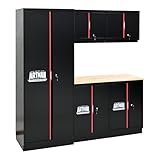
Modular storage consists of units that work alone but can be combined later. Typical pieces include a rolling cabinet, top chest, side locker, add-on drawers, pegboard panels, shelves, and small-parts organizers. The useful feature is not simply that the pieces stack. It is that you can expand without throwing away the first purchase.
Before buying, measure three things: the available wall width, the clear height below shelves or garage doors, and the route into the workspace. A cabinet that fits against a wall may not fit through a 30-inch doorway once assembled. Also check loaded weight. A cabinet rated for 500 pounds can become difficult to roll when loaded with cast-iron tools, batteries, and fasteners, even if the casters technically support it.
Best-value storage types
| Storage type | Typical price | Best use | Main trade-off |
|---|---|---|---|
| Plastic modular bins | $25–$150 | Fasteners, fittings, electrical parts | Limited security and lower load capacity |
| Steel rolling cart | $100–$300 | Daily-use hand tools and cordless tools | Less drawer space than a cabinet |
| Rolling tool cabinet | $250–$700 | General workshop storage | Heavy, bulky, and expensive to move |
| Top chest or add-on cabinet | $150–$500 | Expanding an existing base unit | Needs compatible dimensions and mounting |
| Wall rail, pegboard, or slatwall | $40–$250 | Visible access to frequently used tools | Uses wall space and needs solid mounting |
A modular rolling tool cart is usually the strongest first purchase. It keeps screwdrivers, pliers, measuring tools, drills, and chargers together, and its smaller footprint is easier to live with than a 60-inch cabinet. Look for at least two locking drawers, a solid lower shelf, four casters, and a handle that is bolted rather than loosely riveted.
Choose a rolling cabinet instead when you already own many socket sets, power tools, and heavy specialty tools. Full-extension drawers are important: a shallow drawer that opens only three-quarters of the way can hide the exact wrench or driver you need. Drawer slides rated around 75 to 100 pounds are adequate for most DIY drawers. The highest-rated slides are not automatically better if the cabinet frame flexes.
Where cheaper storage is fine
Plastic bins are perfectly adequate for nails, drywall anchors, plumbing fittings, sanding discs, and duplicate hardware. They are often better than a drawer because you can carry one bin to the work area. Choose bins with straight sides and removable dividers; tapered bins waste shelf space and allow small parts to migrate between compartments.
A low-cost steel cart is also fine if it will stay indoors and carry under roughly 150 pounds. Thin steel may dent, drawers may rattle, and the finish may scratch, but those defects do not prevent it from storing hand tools. Pay more for a stronger cabinet when you expect to roll it across rough concrete, load it with batteries and power tools, or use the top as a work surface.
Do not use cheap open shelving for loose tools unless every shelf has a lip. A dropped drill or socket set can damage the tool and create a trip hazard. Open shelves are best for cases, bins, compressors, and supplies that are already contained.
Brand value and compatibility
At the budget end, store-brand and generic cabinets often provide the most drawer capacity per dollar. Their weak points are usually thinner drawer bottoms, lighter casters, and inconsistent fit between a top chest and base. Buy them when the unit will stay in one place and replacement parts are not a priority.
Mid-priced garage-storage brands generally offer better slides, powder coating, and accessory availability. That premium is worthwhile if you plan to add a matching top chest or side cabinet within the next few years. Before committing, measure the actual cabinet width and depth rather than relying on a product family name. A two-inch difference can prevent stacking or leave an unsafe overhang.
Professional tool-truck brands can have excellent construction and parts support, but their prices are difficult to justify for ordinary home use. A $2,000 cabinet is not four times as useful as a $500 cabinet for storing screwdrivers and a drill. Consider that tier only when you need daily commercial use, very high drawer loads, or a long service life that offsets the initial cost.
A practical staged buying plan
Start with a steel rolling tool cabinet with drawers in the 26- to 42-inch range. Use the top drawer for measuring and marking tools, the next for drivers and pliers, and the lower drawers for heavier tools. Keep the heaviest contents below the midpoint to reduce tipping when the cabinet moves.
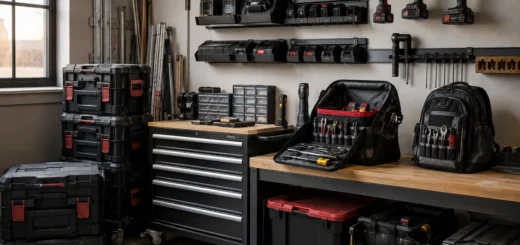
Next, add wall storage rather than immediately buying another cabinet. A garage tool wall storage rail system makes frequently used tools visible and frees drawers for less-used equipment. Mount rails into studs or use a properly rated backing panel. Standard drywall anchors are not a safe substitute for structural attachment when a loaded rail may hold 50 pounds or more.
When the drawers are full, add a top chest only if the base is designed to support it. Do not place a deep, heavy chest on a narrow cart simply because the dimensions appear close. An unsecured top-heavy stack can tip when a drawer is opened. For occasional use, a separate shelf or cabinet is safer and may cost less.
When to buy
Tool storage commonly sees better pricing around major holiday promotions, spring garage-cleanup sales, and the late-November shopping period. Compare the delivered price, not just the advertised discount: heavy cabinets may carry $50 to $150 in freight charges, while local pickup can eliminate that cost.
Check clearance sections after a store resets its garage-storage aisle. Scratched packaging or a small cosmetic dent can produce a meaningful discount if the drawers, casters, and locks work correctly. Inspect every corner before accepting delivery, photograph damage immediately, and test each drawer while the return option is still available.
The best value is the system you can expand without replacing. Spend first on sound casters, usable drawers, and safe mounting hardware. Save money on cosmetic finishes and premium branding, then add storage only when your collection proves what it actually needs.