Ryobi vs Kobalt Battery Tools: Which System Has Lower Ownership Costs?
What's inside
As an Amazon Associate I earn from qualifying purchases. This post may contain affiliate links at no extra cost to you.
Ryobi and Kobalt both sell cordless tool systems aimed at homeowners and serious DIY users. The lower-cost choice is not always the one with the cheaper bare tool: batteries, chargers, starter kits, and replacement needs can change the total. For most buyers, Ryobi tends to have the edge on breadth and entry price, while Kobalt can be a good value when its kits are discounted. The better buy depends on which tools you need and what you already own.
As an Amazon Associate we earn from qualifying purchases at no extra cost to you.


What ownership cost means
Compare the cost of getting a usable setup, not just the price printed on one tool. A bare drill may look inexpensive, but it is no bargain if you also need a battery and charger. Add the tools you expect to buy over the next few years, plus the cost of replacing a worn or lost battery.
Battery platform matters because packs generally work only with tools in that brand’s compatible system. Switching later can mean paying for another charger and batteries, or buying duplicate tools. Before choosing, list the jobs you actually do: occasional repairs, deck building, lawn care, or a mix.
Platform and typical costs
Both brands offer 18-volt cordless lines, with tools sold as bare units and in battery-and-charger kits. Prices change frequently, especially around spring sales, Memorial Day, Labor Day, and the holiday season. The ranges below are broad U.S. retail ballparks, not live quotes; compare current kit contents before buying.
| Cost factor | Ryobi 18V ONE+ | Kobalt 24V |
|---|---|---|
| Entry kits | Often inexpensive, with frequent bundles and promotions | Can be competitive when a battery kit is on sale |
| Bare-tool pricing | Wide selection, including many homeowner-focused tools | Good value on common tools; selection varies by retailer |
| Battery choice | Broad range of capacities and tool-compatible packs | Fewer choices in some stores; check pack availability locally |
| System breadth | Large range across home, workshop, and outdoor tools | Strong core lineup, with a narrower overall range |
| Best cost advantage | Expanding a system over time | Buying a well-priced kit for a focused set of jobs |
As a rough planning example, a starter kit may cost around $100–$200, while a bare tool can run from roughly $50 to more than $200 depending on type and promotion. Larger batteries cost more than compact packs, but can reduce interruptions on saws and outdoor equipment. Always check whether a listed price includes a battery; retail listings often put kit and bare-tool versions side by side.
Battery costs and runtime
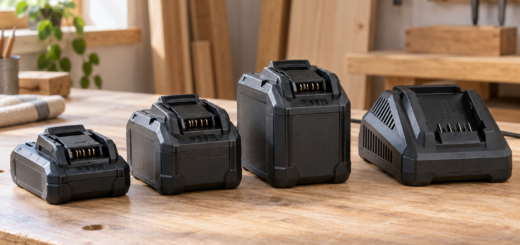
A compact battery is fine for a drill used to hang shelves or assemble furniture. It is less comfortable as the only pack for repeated cuts with a circular saw or long sessions with a leaf blower. For those jobs, a higher-capacity pack is usually more useful, but it adds upfront cost and weight.
There is no reliable runtime number that applies to every job. Cutting dense lumber, using a dull blade, or forcing a tool through material drains a pack faster than light, intermittent work. A common ownership mistake is buying several small batteries instead of one suitable larger pack and a second pack for rotation. The better arrangement depends on whether you need uninterrupted work or want to keep the kit price down.
Battery packs eventually lose capacity, especially after heavy use, heat exposure, or long storage while fully depleted. Store them dry and away from extreme temperatures, and avoid leaving a pack on a hot vehicle floor. If a battery becomes unusually hot, damaged, or swollen, stop using it rather than trying to stretch its life.
Which system costs less for your situation?
Choose Ryobi if you expect to add tools gradually. Its broad range can make it easier to stay on one battery platform as projects expand into shop, home, and yard equipment. That variety can lower long-term cost by avoiding a second battery system for a one-off tool. For routine homeowner work, start with a Ryobi 18V drill-driver kit rather than buying a bare tool without compatible batteries.
Choose Kobalt if a current bundle matches your needs. A discounted kit can beat Ryobi’s price for the same practical setup, particularly if it includes batteries you will use. Kobalt is also sensible for someone who mainly needs a drill, impact driver, and a few common jobsite tools, and can buy replacements nearby. Check local stock before committing: a low tool price matters less if replacement packs are difficult to find where you shop.
For occasional use, the less expensive system is often good enough. If you drill a few pilot holes each month, there is little reason to pay extra for a professional-grade platform. For repeated framing, remodeling, or daily work, compare durability, service support, and battery availability as well as purchase price. A tool that fails during a job can cost more in delay than the difference between two sale prices.
A lower-cost buying strategy
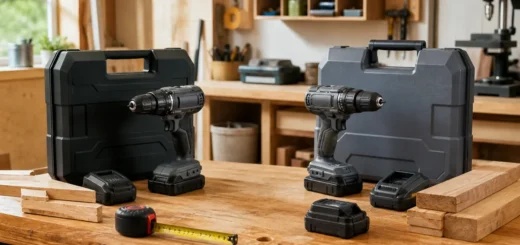
Buy a starter kit only when its included tools and batteries fit your plans. Then add bare tools as needed, rather than collecting duplicate chargers and batteries in every bundle. For an ordinary homeowner set, a drill, a compact impact driver, and two batteries cover many repairs; add a saw or yard tool only when a real job calls for it.
For cutting, choose a cordless circular saw only if your existing batteries are suitable for the workload. A small pack may handle occasional short cuts, but a larger compatible battery is a better match for repeated cuts in thicker lumber. Use a sharp blade and let the saw do the work; pushing hard wastes power and can cause rough cuts or overheating.
Shop around seasonal promotions, but compare the complete package: tool, battery capacity, charger, and warranty terms. A kit that costs $30 more may be better value if it includes a second battery you would otherwise buy. Conversely, do not pay for a large bundle just because its per-tool arithmetic looks attractive.
The practical choice
Ryobi is usually the safer value pick for buyers building a broad homeowner system over time. Kobalt can be the lower-cost choice when a sale kit covers the tools and batteries you need, especially for a focused set of projects. Price both systems as a complete setup, check battery availability near you, and buy for your actual workload. That approach matters more to ownership cost than the logo on the tool.