How to Compare Professional and DIY Tool Warranties
What's inside
As an Amazon Associate I earn from qualifying purchases. This post may contain affiliate links at no extra cost to you.
A tool warranty can make an expensive purchase easier to justify, but the headline term rarely tells the whole story. A five-year warranty may exclude batteries, wear parts, or damage from jobsite use. A shorter warranty may be more useful if it covers professional work and the manufacturer has a nearby repair center.
Compare the written terms, likely repair cost, and time without the tool—not just the number of years. The right choice depends on how often you use the tool, what failure would cost you, and whether you can meet the warranty’s registration and proof-of-purchase rules.
Start with the use case
First decide whether the tool is for occasional home projects or paid work. A drill used for a few shelves a year faces a different workload from one that drills daily on a construction site. Some consumer warranties exclude commercial, rental, or income-producing use outright; others allow it but offer shorter coverage.
Check the warranty wording before choosing a tool line. “Limited warranty” does not automatically mean “consumer use only,” and a professional-grade label does not guarantee coverage for every jobsite failure. If the tool earns you money, look for explicit language about commercial use and ask the manufacturer for written clarification when the terms are vague.
Compare coverage, not just term
A warranty’s term is only one part of its value. Find out what the company will repair or replace, what it considers normal wear, and who pays shipping. Common exclusions include worn brushes, blades, bits, chucks, damage from drops or water, and battery capacity loss. A battery warranty may expire before the tool’s warranty does.
Also check the clock. Coverage might begin on the purchase date, the date of manufacture, or the date of registration. Some brands require registration within a set period—often 30 to 90 days—to receive an extended warranty. Save the receipt and serial number, and keep a screenshot or email confirming registration.
Professional vs. DIY warranties
| What to compare | Professional-use tool | DIY-use tool |
|---|---|---|
| Expected workload | Frequent or daily use; downtime can delay paid work | Occasional use; a repair can often wait |
| Commercial-use terms | Look for explicit coverage for trade or jobsite use | May be excluded or covered under different terms |
| Repair logistics | Check authorized service locations, turnaround, and loaner options | Mail-in service may be acceptable if the tool is not urgent |
| Likely cost of downtime | Can exceed the repair bill if work stops | Usually limited to inconvenience or a delayed project |
| Best value test | Compare coverage and service speed with the tool’s purchase price | Compare warranty value with the cost of replacing the tool |
Professional warranties are not automatically better. A DIY tool with a solid warranty can be a sensible buy for weekend repairs, especially if it costs substantially less and the manufacturer will still service it after the stated term. On the other hand, the cheapest option can be poor value if it fails after a year and replacement parts are unavailable.
Put a dollar value on coverage
Estimate the likely repair bill and compare it with the price difference between tools. For example, if a better-covered drill costs $40 more and a typical out-of-warranty repair would cost $70, the extra coverage may be worthwhile—provided the failure is covered and repair is practical. If the DIY drill costs $90 and replacement is easier than a $60 repair, a long warranty may add little real value.
For paid work, include downtime. A $100 repair that keeps a $300 tool out of service for a week may be more expensive than it looks if the delay holds up a job. Ask whether the brand offers local service, prepaid shipping, or a loaner. Do not assume a warranty promises a fast turnaround; many cover repair but set no useful completion deadline.
Batteries and wear parts need separate checks
Cordless-tool batteries are a frequent source of surprises. Compare the battery warranty term with the tool’s, and look for exclusions based on normal capacity loss, overheating, or improper storage. If the battery is a large share of the kit price, a shorter battery warranty can change the value calculation.
Bits, blades, sanding pads, and similar consumables are generally treated as wear items. A dull blade is not a warranty failure. A motor that stops under normal use may be covered, but damage from dust, water, a fall, or an overloaded tool may not be. For frequent cutting or drilling, budget for consumables separately rather than expecting warranty coverage to offset them.
Buying strategies that reduce risk
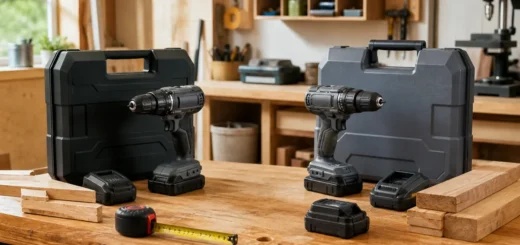
For occasional household repairs, a basic cordless drill kit can be enough. Prioritize a comfortable grip, a battery platform you can use for other tools, and clear warranty terms over features you will rarely use. Buying the tool and battery as a kit can also cost less than adding a battery later.
If a tool is central to paid work, compare professional-use terms and service access before buying. A professional cordless impact driver kit may cost more, but the premium is easier to justify when it can handle daily fastening and the brand has convenient authorized service. Check seasonal sales, too: a discounted kit can narrow the price gap without forcing you to settle for a weaker warranty.
Buy from an authorized retailer when possible. Third-party marketplace sellers may offer a low price but complicate proof of purchase or eligibility for an extended warranty. Before checkout, confirm the seller, the exact coverage start date, and whether the promotion requires registration. Keep the receipt until the warranty ends.
Questions to answer before buying
Before paying extra for warranty coverage, answer these questions: Is my type of use covered? Which parts have shorter terms? What failures are excluded? How long do repairs usually take? Do I pay shipping? Can I get service nearby? What documents must I keep? If the warranty is unclear on any of these points, contact the manufacturer rather than relying on a retailer’s summary.
Choose the warranty that matches the cost of failure. For a lightly used home tool, a lower-priced option is often fine if replacement is affordable and the terms are clear. For a tool used every day, commercial-use coverage and accessible repair service may be worth more than an extra year on paper.