How to Compare Tool Brand Warranties Before Choosing a Battery Platform
What's inside
As an Amazon Associate I earn from qualifying purchases. This post may contain affiliate links at no extra cost to you.
A battery platform is a longer commitment than one tool purchase. Once you own two or three batteries and a charger, switching brands can mean replacing a useful kit. Warranty terms help show what that commitment is worth—but the headline number of years is only one part of the deal.
Compare coverage for the tool, battery, and charger separately, then check the registration rules, exclusions, and cost of getting a repair. A five-year tool warranty paired with a short battery warranty may be less valuable to you than straightforward coverage that is easier to claim.
Compare the parts of the platform
Read the warranty for each item you expect to buy. Tool, battery, and charger coverage often have different lengths and conditions. A kit may also have different terms from a bare tool, so check the documents for the exact purchase rather than relying on a general brand summary.
Record the coverage period and any required steps in a simple table. If the warranty depends on registration, note the deadline and save proof that you completed it. Do not assume registering a tool automatically registers every battery in a kit.
| What to compare | Why it matters | What to verify |
|---|---|---|
| Tool coverage | Motors, switches, gearboxes, and electronics can fail in different ways. | Term, covered defects, exclusions, and repair process. |
| Battery coverage | Batteries are costly wear items and may have a shorter term. | Coverage period, capacity or cell-failure terms, and proof-of-purchase rules. |
| Charger coverage | A failed charger can sideline every tool that shares the platform. | Whether it has separate coverage and how to diagnose a claimed fault. |
| Registration | Missing a deadline can reduce or remove an advertised extension. | Deadline, required receipt details, and which items must be registered. |
| Service | Shipping, turnaround time, or a distant service center can add real cost. | Who pays freight, where repairs go, and whether replacement is offered. |
Read the conditions, not just the term
Warranty coverage generally addresses defects in materials or workmanship, not every way a tool can stop working. Expect exclusions for normal wear, misuse, unauthorized repair, and damage from dropping or overloading the tool. A failed switch under ordinary use may be a valid claim; a cracked housing after a fall may not be.
Battery wording deserves particular attention. Capacity naturally declines with age and use, and a warranty may not promise that a pack will retain its original runtime indefinitely. Look for the actual language about defective cells, charging faults, or abnormal loss of capacity. If the terms do not define a threshold, do not assume that “battery warranty” means every reduction in runtime qualifies.
Also check whether commercial use changes the coverage. A homeowner using a drill occasionally may be treated differently from a contractor running it daily. If you use tools for paid work, confirm the applicable terms before choosing a platform.
Registration and proof of purchase
Registration can be worthwhile when it adds years of coverage, but only if you can meet the rules. Confirm the deadline, whether online registration is required, and whether the serial number and itemized receipt are needed. Keep a digital copy of the receipt and registration confirmation with the tool’s serial number.
Marketplace purchases need extra care. A low price is less attractive if the seller is not authorized or the brand will not honor the warranty without an acceptable receipt. Before buying a deal, check the seller and return window; do not treat an advertised warranty as proof that your specific purchase qualifies.
Estimate the value of coverage
Warranty length matters most when the likely failure would be expensive and the claim is practical. For a frequently used impact driver, a covered repair can save a meaningful share of the tool’s replacement cost. For an inexpensive light-duty tool used a few times a year, a long warranty may be less important than a lower purchase price and an easy return policy.
Count the costs around a claim, too. If you must ship a tool at your own expense, pay for packaging, and wait several weeks, the coverage may be inconvenient when the tool is needed for a job. A nearby authorized service center or quick replacement process can be worth more than an extra year on paper.
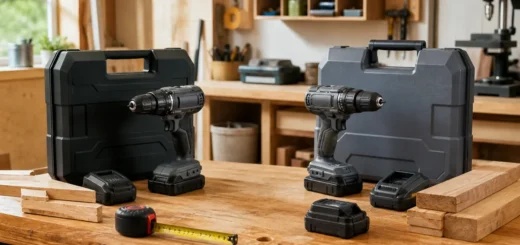
Warranty is not a substitute for choosing a capable platform. Compare battery availability, the tools you expect to add, and the cost of a replacement pack. If you are starting with basic home repairs, a cordless drill-driver kit with batteries may be a better value than buying a premium bare tool and adding packs later.
Match the platform to your use
For occasional DIY work, prioritize a fair kit price, batteries that are easy to buy, and a warranty you can document. You may not benefit from paying more solely for the longest coverage term, especially if replacement costs are low and the tool will see little use. A budget cordless combo kit can be sensible when it covers the jobs you actually do.
For regular work, downtime changes the calculation. Check repair locations, parts availability, and whether the platform offers the specialized tools you are likely to need. A warranty claim does not help much if you have to stop work while the tool is away for repair. Consider keeping a backup for essential tools or buying from a retailer with a useful return policy.
When comparing two brands, write down the out-of-pocket cost for the starter kit, an additional battery, and a replacement tool outside warranty. Then compare those figures with the coverage you can realistically claim. If one brand has clearly better service but costs more, the premium may make sense for daily use; if both offer adequate terms and the cheaper kit meets your needs, the lower-priced platform is a reasonable choice.
Check before you buy
Use the current warranty document, not an old review or a retailer’s short product description. Terms can vary by country, product type, and purchase channel, and brands can update them. Save a copy of the terms that apply on the day you buy.
Finally, compare seasonal kit deals carefully. A bundle with an extra battery can beat a small discount on the bare tool, but only if the battery is useful and covered under the terms you checked. Choose the platform whose total cost, service access, and coverage fit your workload—not simply the one with the biggest warranty number.