
What's inside
As an Amazon Associate I earn from qualifying purchases. This post may contain affiliate links at no extra cost to you.
Short answer: the best cooler is sized to your trip, insulated well enough for its length and easy enough to carry that you will actually take it. Hard coolers hold ice longest and take abuse, soft coolers are light and packable for day trips, and electric or compressor coolers make sense when you have a reliable power source. How you pack and handle a cooler often matters as much as which one you buy.
This guide compares the types, explains what drives cold-holding performance, walks through sizing, and gives practical ice and food safety guidance. It names no brands and quotes no prices or test results, because performance claims depend heavily on conditions and packing.
Our Top Picks
 Coleman Chiller 16-Quart Portable Cooler with Ice Retention16qt12 x 15.7 x 11.2 inches3.59 poundsCheck on Amazon

Contents
- Cooler types compared
- What affects cold-holding performance
- Choosing the right size
- Features worth paying attention to
- Ice retention tips
- Food safety in a cooler
- Matching a cooler to your activity
- Care and cleaning
- Common mistakes
- Who should choose what
- Checklist
- FAQ
Cooler types compared
Hard-sided coolers
A hard cooler has a rigid plastic shell with insulating foam between the walls. Basic molded coolers are light and inexpensive. Premium rotomolded versions have thick walls, a gasketed lid and strong latches, which slows heat transfer and allows ice to last longer, at the cost of weight. Hard coolers double as seats and stand up to rough handling, which is why they are the default for multi-day camping, fishing and boating.
Soft-sided coolers
A soft cooler has a flexible fabric shell, insulation inside and usually a liner. It is light, easy to carry by a strap and compresses when empty. The insulation is thinner than in a thick hard cooler, so it holds cold for a shorter time. Soft coolers suit picnics, day hikes, lunches and short trips. Zipper quality and a welded or sealed liner matter, as leaks and failures usually start there.
Thermoelectric (electric) coolers
These plug into a vehicle outlet or mains power and use a thermoelectric element to move heat out of the box. They need no ice, but their cooling is limited to a temperature drop relative to the surrounding air, so they may not hold food safely cold on a hot day, especially if packed warm. They suit road trips where you can keep them powered and shaded. They can also draw down a car battery if left on with the engine off, so check the power use.
Compressor (fridge-style) coolers
These work like a small refrigerator, with a compressor that can cool well below ambient temperature and even freeze. They are the most capable option for long trips, overlanding and off-grid travel, but are heavier, more expensive to buy and require a dependable power source such as a vehicle outlet or battery system.
Comparison of cooler types
| Type | Strengths | Drawbacks | Best for |
|---|---|---|---|
| Basic hard cooler | Affordable, durable, easy to clean | Moderate cold-holding time | Weekend trips, tailgating |
| Premium hard cooler | Thick insulation, tight seal, rugged | Heavy and bulky | Multi-day camping, fishing, boating |
| Soft cooler | Light, packable, comfortable to carry | Shorter cold-holding time | Day trips, picnics, lunches |
| Thermoelectric | No ice needed when powered | Limited cooling versus ambient; needs power | Road trips with vehicle power |
| Compressor | True refrigeration, can freeze | Heavy, costly, needs power | Long trips, overlanding, off-grid |
What affects cold-holding performance
Manufacturers describe performance in many ways, and the numbers rarely translate to your trip because ice life depends on temperature, how often you open the lid, how the cooler is packed and where it sits. Focus on the factors you can judge.
- Insulation thickness: thicker walls and lid slow heat gain. Look at the real wall thickness, not just the outside size.
- Insulation type: foam is common in rigid coolers. Full-coverage foam without gaps performs best.
- Lid seal: a gasket and strong latches stop warm air entering and cold air escaping.
- Construction: seamless molded shells have fewer weak points than coolers assembled from several pieces.
- Drain: a drain plug makes emptying meltwater easy, and a tight plug stops leaks.
- Fill level: a nearly full cooler holds cold longer than a half-empty one, because less air is available to warm.
- Environment: shade, ground contact and ambient temperature change results significantly.
Choosing the right size
Cooler capacity is often given in quarts or liters, but that number includes the space ice uses. A practical way to size a cooler is to think in terms of people, days and what you carry.
A rough approach
- Day trip or lunch for one or two: a small soft cooler or a small hard cooler is usually enough.
- Weekend for two to four people: a medium hard cooler, with room for food, drinks and ice.
- Week-long trips or larger groups: a large hard cooler, or two coolers: one for drinks that gets opened often and one for food that stays closed.
As a general rule, plan for roughly equal amounts of ice and contents by volume for longer trips, which means a cooler needs to be larger than the food alone would suggest. Very large coolers are heavy when loaded. Think about who will lift it and how far it must be carried. If it cannot be lifted comfortably by two people, consider two smaller coolers.
Check the outer dimensions
Measure your trunk, boat locker or camper storage and compare it with the cooler’s outside dimensions, since thick insulation means the outside is much larger than the usable interior.
Comparison of use case and size
| Use case | Group | Typical choice | Notes |
|---|---|---|---|
| Lunch or picnic | 1-2 | Small soft cooler | Ice packs work well |
| Tailgating | Several | Medium hard cooler | Load drinks and food in separate coolers if possible |
| Weekend camping | 2-4 | Medium to large hard cooler | Pre-chill before packing |
| Week-long trip | Family | Large hard cooler, or two | Plan ice resupply |
| Fishing and boating | Varies | Rugged hard cooler | Check size for fish and for boat space |
| Remote travel with power | Varies | Compressor cooler | Manage power supply |
Features worth paying attention to
Latches and hinges
Strong latches keep the lid tight and withstand bumps. Hinges should be robust, since broken hinges are a common failure.
Handles
Molded or rope handles must handle a heavy load. Soft coolers should have padded straps. Wheels help on big coolers where you have to haul over smooth ground, but they add weight and can fail on rough terrain.
Drain plug
Choose a plug that opens easily and seals reliably. A large opening makes cleaning simpler.
Interior layout
Dividers, baskets and trays keep food out of meltwater. A flat interior is simpler to clean and pack.
Feet and lid surface
Non-slip feet keep the cooler steady in boats and trucks. A flat, strong lid allows seating.
Tie-down points and accessories
Useful on boats and vehicles. Check that accessories you want, such as dividers or baskets, are available for the model.
Bear and wildlife considerations
In areas with bears or other wildlife, follow local rules for storing food. Some places require certified storage or food lockers, and an ordinary cooler may not qualify. Check the regulations for where you are going.
Ice retention tips
- Pre-chill the cooler. Put a sacrificial bag of ice or cold packs in it for several hours before packing, or store it somewhere cool.
- Pre-chill the contents. Warm drinks melt a lot of ice. Refrigerate or freeze items beforehand.
- Use block ice or large cubes. Larger pieces melt more slowly than cubed or crushed ice. Cubed ice fills gaps and cools quickly, so a mix works well.
- Freeze containers of water. Frozen bottles or jugs act as ice and then provide cold drinking water as they melt.
- Layer sensibly. Ice on the bottom, food in the middle, and more ice on top, since cold air sinks. Fill the gaps so that there is little air space.
- Keep it shaded. Cover with a light-colored blanket or tarp, or keep it in the shade of the vehicle or tent.
- Keep it closed. Every opening lets warm air in. Keep a separate drinks cooler for items that get opened often.
- Drain carefully. Cold meltwater still helps keep contents cold, so avoid draining it unless food is sitting in it or you need space. Pack food in waterproof containers.
- Start with food frozen. Frozen meat can act as extra ice for the first day or two, but plan to thaw it safely.
Food safety in a cooler
A cooler is a food storage device, so safety matters. Conventional guidance is to keep perishable foods at or below 40 degrees Fahrenheit (4 degrees Celsius). Perishable food that has been sitting above that temperature for more than two hours, or more than one hour in hot weather above about 90 degrees Fahrenheit (32 degrees Celsius), should be discarded.
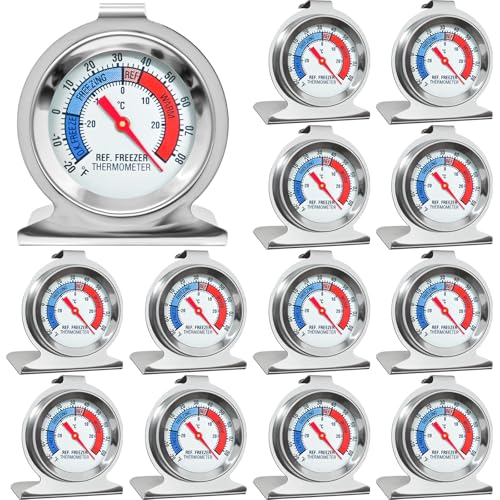
- Put a small appliance thermometer inside to monitor temperature.
- Pack raw meat, poultry and seafood in sealed containers at the bottom, away from ready-to-eat foods, to prevent drips and cross-contamination.
- Do not reuse ice that has contacted raw meat for drinks. Keep drinking ice separate from ice used for chilling.
- When in doubt about whether food stayed cold, throw it out.
- Do not leave a cooler in a hot vehicle. Keep it in the shaded, air-conditioned part of the car where possible.
Matching a cooler to your activity
Camping
Prioritize cold-holding time and durability. Use one cooler for food, kept closed, and a second for drinks if you can. Plan meals so that the most perishable items are eaten early.
Tailgating and picnics
Day-length use means a basic hard cooler or a soft one will do. Ease of carrying matters more than maximum ice life.
Fishing and boating
Durability, size and non-slip feet matter. Check the cooler’s internal dimensions if you plan to carry fish, and follow local rules about size and handling of catch.
Road trips
If you have vehicle power, a thermoelectric or compressor cooler removes the need for ice. Think about battery draw and keep the unit ventilated.
Day hikes and commuting
A soft cooler or insulated bag with a couple of ice packs is light and enough for lunch and drinks.
Care and cleaning
- Wash the interior with mild soap and warm water after each trip, then rinse and dry fully.
- For odors, wipe with a diluted solution of baking soda or a mild bleach solution, rinse thoroughly and air dry with the lid open.
- Clean the gasket and drain plug, and check them for damage.
- Store with the lid slightly ajar to prevent mildew.
- Avoid harsh abrasives that scratch the interior and harbor bacteria.
- Check latches and hinges for wear before the season.
Common mistakes
- Buying too large. A half-empty cooler loses cold faster and is heavy to move.
- Not pre-chilling. A warm cooler melts ice quickly.
- Packing warm drinks and food. Chill items first.
- Leaving it in the sun or a hot car. Shade makes a big difference.
- Opening it constantly. Use a separate drinks cooler.
- Expecting an electric cooler to act like a refrigerator. Thermoelectric models cool only so far below the surrounding air.
- Ignoring food safety. Use a thermometer and discard doubtful food.
- Judging on marketing claims. Ice-life claims depend on conditions. Compare construction rather than numbers.
Who should choose what
| If you are… | Consider | Why |
|---|---|---|
| A casual picnicker or commuter | Soft cooler with ice packs | Light and easy to carry |
| A weekend camper or tailgater | Medium hard cooler | Good balance of capacity and durability |
| A multi-day camper or angler | Premium hard cooler, with a second for drinks | Best cold-holding time and durability |
| A road tripper with vehicle power | Thermoelectric or compressor cooler | No ice required |
| An off-grid traveler | Compressor cooler with a power plan | True refrigeration |
| A budget-conscious buyer | Basic hard cooler, packed well | Packing technique closes much of the gap |
Checklist
- I know how many people and days the cooler must serve.
- I measured the storage space and checked the outside dimensions.
- I can lift the loaded cooler, or I have a second person or smaller coolers.
- I checked the lid seal, latches, drain plug and handles.
- I plan to pre-chill the cooler and contents.
- I have a thermometer and a plan to keep raw and ready-to-eat food apart.
- I know local rules about food storage in wildlife areas.
You can browse options such as a cooler, a soft cooler bag, reusable ice packs, a cooler thermometer or a cooler divider and basket.
FAQ
What is the best type of cooler for camping?
For multi-day trips a hard cooler with thick insulation and a tight lid is the usual choice. For short trips a basic hard cooler or soft cooler can be enough.
Are hard coolers better than soft coolers?
Hard coolers generally keep ice longer and are more durable, while soft coolers are lighter and easier to carry. Choose by trip length and how far you must carry it.
How long will ice last in a cooler?
It varies widely with the cooler, the weather, how it is packed and how often it is opened. Treat advertised numbers as best-case and plan for less.
What size cooler do I need?
Match it to people and days. Longer trips need more room because ice takes up a large portion of the volume. Two smaller coolers are often easier than one huge one.
Can an electric cooler replace ice?
Compressor coolers can, if you have power. Thermoelectric coolers only cool a limited amount below the surrounding air, so they may not keep perishable food cold enough in hot weather.
Is block ice or cubed ice better?
Block or large ice lasts longer, while cubed ice fills gaps and chills quickly. Many people use both, with block ice at the base and cubes filling the spaces.
How should I clean and deodorize a cooler?
Wash with mild soap and warm water, rinse, and dry fully. For odors, use a baking soda solution or a diluted bleach solution, rinse well and air dry with the lid open.
How cold should the cooler be for food safety?
Perishable food should stay at or below 40 degrees Fahrenheit (4 degrees Celsius). Use a thermometer, and discard perishable food that has been above that temperature for more than two hours, or one hour in hot weather.
Conclusion
The best cooler is the one that fits your trip, your vehicle and your arms. Choose the type by trip length and power access, pick a size that you can lift when full, and check the lid seal, latches and drain. Pre-chill, pack tightly, keep it shaded and closed, and monitor temperatures so your food stays safe. Good habits will stretch the performance of any cooler.
Disclosure: As an Amazon Associate we earn from qualifying purchases. If you click a link and buy, we may earn a commission at no extra cost to you.
Related guides
More from Amazon
Programs that pair well with the guide above. Offers and eligibility are set by Amazon and may change.
A free business account with business pricing and bulk-buying tools for work, shop or home office.
Create a business accountFree shipping on eligible items, Prime Video and more. Eligible new members can start with a free trial.
Start a Prime free trialAudiobooks and podcasts to listen to on the go. Eligible new members can start with a free trial.
Try Audible freeAd-free music streaming. Eligible new subscribers can start with a free trial.
Try Music Unlimited freeAs an Amazon Associate we earn from qualifying purchases.
Write Your Review
No reviews yet. Be the first to share your experience!