Best Shoes for Ankle Support for Women
What's inside
As an Amazon Associate I earn from qualifying purchases. This post may contain affiliate links at no extra cost to you.
Women searching for ankle support rarely want just a shoe. They want stability during a long shift on concrete floors, a secure landing on a muddy trail, or relief after a sprain that never quite healed. The category blends footwear, braces, and insertable supports, and sorting the best options means matching the product to the actual problem: chronic ligament laxity, post-injury recovery, high-impact running, or all-day standing where fatigue amplifies ankle instability.
What separates a good pick from a mediocre one comes down to three things: how well the support mechanism addresses your specific joint issue, whether the materials tolerate repeated wear without collapsing, and if the price reflects that durability. A $10 compression sleeve might outperform a $150 shoe for one person, while the reverse holds true for another. This roundup compares published specs, listed prices, and owner feedback across eight products to help you find the right fit for your ankle support needs in 2026.
As an Amazon Associate we earn from qualifying purchases at no extra cost to you.



Our Top Picks
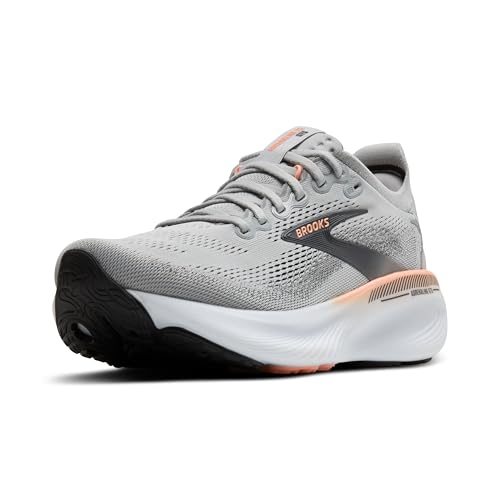
 Skechers Women's Max Cushioning Endeavour Canova Sneaker612.17 x 9.17 x 4.8 inches1.2 PoundsCheck on Amazon


Quick Picks
| Product | Best for | Price |
|---|---|---|
| INDEEMAX Copper Ankle Brace | Post-sprain compression and daily swelling control | $9.99 |
| SHULOOK Slip-On Walking Shoes | Casual low-impact wear with minimal effort | $17.09 |
| SHULOOK Non Slip Work Boots | Slip-resistant all-day standing on wet surfaces | $36.99 |
| Skechers Max Cushioning Endeavour Canova | Plush comfort for flat-footed walkers seeking mild support | $57 |
| Dr. Scholl’s Stability Support Insoles | Arch and heel alignment inside existing shoes | $10.99 |
| Brooks Adrenaline GTS 25 | High-mileage running with structured medial support | $146.98 |
| IRAMY Compression Running Socks | Graduated compression paired with any athletic shoe | $7.99 |
| Avia Grit Sport Hiking Boots | Mid-top ankle coverage on uneven terrain | $34.90 |
How We Picked
We evaluated each product on four criteria relevant to ankle support specifically: the mechanism and height of stability offered (does it wrap the malleolus, control pronation, or merely cushion the sole?), durability of materials at the stated price point based on published construction details and owner feedback, ease of integration into a daily routine (does it require breaking in, pairing with specific footwear, or special sizing?), and value relative to category norms. Products that offer passive comfort without any structural support were not included in the shortlist.
The 8 Best Shoes For Ankle Support For Women in 2026
INDEEMAX Copper Ankle Brace
This compression sleeve suits women managing mild sprains, chronic swelling, or tendonitis who still want to wear their regular shoes underneath. The copper-infused knit applies graduated pressure around the joint while claiming anti-inflammatory benefits from the metallic thread. Owners consistently praise the snug, non-slip fit even during active movement, and the price makes it easy to buy two sizes or a backup pair.
- Pros: Comfortable enough for full-day wear without restricting circulation; stays in place without external straps or fasteners.
- Con: Single-sided compression sleeve offers no rigid lateral support for unstable joints prone to rolling.
Skip it if you need structured stabilization after a moderate or severe sprain; a lace-up or hinged brace is more appropriate.
SHULOOK Slip-On Walking Shoes
For women who need a quick, no-lace shoe for errands or light walking and value a wider toe box that lets the forefoot spread naturally, these are a practical option. The lightweight upper flexes easily, and owners note the cushioned insole reduces heel impact on pavement.
- Pros: Slip-on convenience with no breaking-in period; breathable mesh upper keeps feet cool in warm weather.
- Con: The low-cut profile and soft construction offer almost no ankle stability, so they do not function as ankle-support shoes at all.
Skip it if ankle control is your primary concern; this shoe prioritizes comfort and convenience over structural support.
SHULOOK Non Slip Work Boots
These work boots target nurses, restaurant staff, and warehouse workers who stand for eight or more hours on surfaces where slip resistance is critical. The oil-resistant outsole has deep lugs, and the padded collar adds a layer of ankle cushioning without restricting dorsiflexion. Owners highlight the lightweight feel for a boot and the wide toe box that prevents cramping during long shifts.
- Pros: Aggressive tread pattern earns genuine slip resistance on wet tile and oily concrete; all-day comfort without a stiff break-in.
- Con: The soft upper provides minimal lateral ankle containment, so ankles with ligament laxity may still roll on uneven ground.
Skip it if you work outdoors on rocks or roots where mid-top rigidity matters; a hiking boot handles that better.
Skechers Women’s Max Cushioning Endeavour Canova
Skechers built this sneaker around maximal midsole volume, giving it a plush ride that reduces impact stress on the heels and arches. The wide base adds a small stability margin for flat-footed walkers, though it lacks a firm heel counter. Owners frequently mention the sock-like fit that hugs the ankle without pressure points, making it easy to pair with a separate brace if needed.
- Pros: Exceptional cushioning for sensitive joints and post-plantar-fasciitis recovery; easy on-and-off with no laces to adjust around a brace.
- Con: The soft, rounded midsole encourages foot roll on lateral edges, which can be counterproductive for people prone to ankle sprains.
Skip it if you need firm medial support; look to structured motion-control shoes instead.
Dr. Scholl’s Stability Support Insoles
These insoles insert into any existing shoe to correct mild overpronation and lift the arch, indirectly easing the strain that flat feet place on the ankle ligaments. The deep heel cup stabilizes rearfoot alignment, while the firm yet flexible shell avoids the “walking on bricks” feel of rigid orthotics. Owners report noticeable relief within a few days for plantar and mild ankle discomfort.
- Pros: Works inside any shoe you already own, including work boots and running shoes; affordable trial before spending on a new pair of footwear.
- Con: Cannot substitute for a proper brace or high-top shoe when active lateral ankle control is needed.
Skip it if you already have rigid custom orthotics from a podiatrist; the double-arch approach may feel uncomfortable.
Brooks Adrenaline GTS 25
The Adrenaline GTS line is a benchmark for runners who need structured support without the harsh ride of old-style motion-control shoes. The GuideRails system uses medial and lateral side-posts instead of a dense medial post, keeping the foot centered during stride and protecting the knee and ankle from excessive torsion. Owners with mild flat feet or prior ankle injuries consistently praise the secure, locked-down fit through the midfoot and heel.
- Pros: Best-in-class combination of soft cushioning and genuine stability; DNA LOFT and nitrogen-infused foam keep the ride smooth mile after mile.
- Con: Premium price point places it well above most shoes in this roundup.
Skip it if your support need is purely post-injury compression; a brace plus a cheaper shoe may serve you better.
IRAMY Compression Ankle Support Running Socks
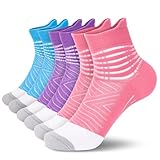
This three-pack of quarter-length athletic socks integrates graduated compression into the ankle and foot zones while leaving the calf free. They suit runners and walkers who want light joint feedback and moisture management without the bulk of a dedicated brace. Owners appreciate the breathable mesh top that prevents overheating, and the cushioned sole adds mild impact protection under the ball of the foot.
- Pros: Three-pair value at under $8 total; thin enough to fit inside any shoe without altering volume.
- Con: Compression level is modest; it will not restrain an ankle actively recovering from a moderate sprain.
Skip it if you need rigid stabilization; these socks handle mild discomfort and fatigue, not structural instability.
Avia Grit Sport Hiking Boots
The mid-top silhouette gives the Avia Grit genuine ankle coverage, with a padded collar that wraps the malleolus during uneven terrain. The waterproof membrane and grippy outsole make it a reliable all-season trail boot at a budget price. Owners report a secure heel lock and adequate ankle restriction for moderate trails, though the upper softens somewhat over months of heavy use.
- Pros: True mid-top ankle support at roughly one-fifth the price of premium hiking boots; waterproof and ready for mixed conditions.
- Con: Break-in period is longer than expected for a boot in this weight range; some owners note a narrow forefoot.
Skip it if you need maximum ankle rigidity for rocky scrambles or heavy pack loads; a stiff-soled mountaineering boot is a safer choice.
Buying Guide
Ankle Coverage Height and Containment
The single most important structural feature is how high the shoe or brace sits relative to your malleolus. Low-cut sneakers allow free lateral rotation, which is fine for healthy ankles but risky for those with ligament laxity. Mid-tops like the Avia Grit physically block excessive inversion, while compression sleeves and braces add circumferential pressure without restricting range of motion. If you have sprained an ankle more than twice in the past year, prioritize a mid-top or pair a low-cut shoe with a brace.
Sole Stiffness Versus Cushioning
Soft, maximalist midsoles feel wonderful underfoot but can increase wobble on uneven ground because the foot sinks before the sole stabilizes. A firmer heel counter and a broader platform reduce that tipping tendency. If you walk mostly on flat pavement, cushioning wins; on trails or wet surfaces, prioritize a stable base with a defined heel cup. Insoles like the Dr. Scholl’s Stability Support add rearfoot control to shoes that lack it from the factory.
Activity Match and Durability Expectations
Compression sleeves and socks degrade after roughly one hundred wash cycles, while a well-built shoe retains its midsole geometry for several hundred miles. Match the product to your activity frequency: daily wear demands durable outsole rubber and a breathable upper, while occasional trail use tolerates a softer midsole if the ankle collar is structured. Buying a cheap brace you replace quarterly can cost less than a shoe that loses its support after two months of heavy use.
Our Verdict
The top overall pick is the Brooks Adrenaline GTS 25. It delivers the most comprehensive blend of cushioning, structured medial support, and secure ankle containment for women who walk or run regularly and need genuine stabilization without sacrificing comfort. The INDEEMAX Copper Ankle Brace is the best budget pick at under $10, offering reliable compression for mild sprains and everyday swelling with no long-term commitment. The Avia Grit Sport Hiking Boots wins outright if your primary use case is trail walking on uneven ground, where a mid-top height and waterproof membrane matter more than any feature in the other products on this list.
FAQ
Do ankle braces weaken muscles over time?
Mild concern exists about over-reliance on rigid braces for healthy joints, but a compression sleeve like the INDEEMAX does not immobilize the ankle and will not cause atrophy. For people recovering from a sprain, the brace supports the joint while the muscles heal and rebuild; pair it with a progressive strengthening routine for the best long-term outcome.
Can I wear an ankle brace inside a shoe?
Yes, most slim compression sleeves and quarter-length compression socks fit inside a shoe without adding bulk. For lace-up or rigid braces, look for shoes with a wide toe box and removable insoles to make room. The SHULOOK work boots and Avia hiking boots have generous interiors that accommodate a brace comfortably.
Are compression socks as effective as a brace for ankle support?
They serve different purposes. Compression socks like the IRAMY pair increase proprioceptive feedback and manage swelling, which helps with fatigue and mild instability. A dedicated brace applies greater localized pressure to the ligament and joint capsule, offering more meaningful restraint against inversion. For post-sprain recovery, a brace is the better tool; for daily prevention during long shifts, the socks may be all you need.
How often should I replace my ankle-support shoes?
Replace walking or running shoes once the midsole foam loses its rebound, typically around three to five hundred miles or roughly a year of daily use. Compression braces and sleeves lose elasticity after approximately one hundred wash cycles. A simple test: press your thumb into the midsole; if it leaves a lasting dent, the cushioning and its support function are spent.