Best Budget Electric Paint Mixer for Small Renovation Jobs
What's inside
As an Amazon Associate I earn from qualifying purchases. This post may contain affiliate links at no extra cost to you.
A small paint job rarely needs a professional mixing drill. For a bedroom, a few doors, or a short run of trim, the best-value mixer is usually a low-cost corded drill with a paint-rated paddle—or a manual mixer if you are working with just one small can. Buying a dedicated electric mixer can make sense for thicker coatings or repeated jobs, but it is easy to spend more than the work warrants.
As an Amazon Associate we earn from qualifying purchases at no extra cost to you.


Choose by the size of the job
For one gallon of standard latex wall paint, a sturdy hand stirrer is often enough. Stir for two to three minutes, scraping the bottom and sides until the color and consistency look uniform. This costs little, makes no noise, and avoids splashing. It is a poor fit for several cans, settled paint, or heavy coatings that take sustained effort to blend.
For a few gallons or recurring small renovations, a variable-speed corded drill and a small paint paddle offer the best balance of cost and control. A basic drill is also useful for other household work, unlike a dedicated mixer that may sit in storage. A standalone electric mixer becomes more attractive if you regularly mix multiple gallons, primer, or thicker materials. Check the tool’s stated use: a paint mixer is not automatically suitable for mortar, grout, or concrete.
Budget options compared
| Option | Typical cost range | Best for | Main trade-off |
|---|---|---|---|
| Manual stirrer | $2–$10 | One or two gallons of ordinary paint | Slow and tiring with settled or thick paint |
| Drill-mounted paint paddle | $8–$25, drill not included | Occasional jobs if you already own a drill | Needs careful speed control; can splash |
| Budget corded drill plus paddle | About $35–$80 total | Small renovation jobs and general household use | Less convenient than a dedicated mixer for repeated batches |
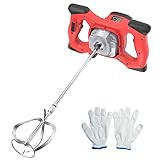
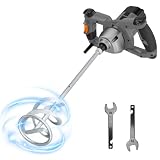
| Entry-level corded mixer | About $60–$130 | Frequent mixing or several gallons at a time | Extra cost and storage space; may be unnecessary for thin paint |
Prices vary with sales, kit contents, and paddle size, so compare the total cost rather than the tool price alone. If you do not already own a drill, a variable-speed corded drill can be the more useful purchase than a mixer with one narrow purpose. If you already have a compatible drill, a paint-mixing paddle attachment may be all you need.
Features worth paying for
Variable speed matters more than a high maximum RPM. Starting slowly helps keep paint in the can rather than on the floor, and low-speed control reduces foam. A basic drill with a comfortable side handle is easier to steady than a compact, high-speed model. For mixing paint, you do not need a large battery platform or a high-torque tool built for demanding construction work.
Match the paddle to the container. A small paddle is easier to control in a one-gallon can; an oversized one can strike the sides, scrape the can, or throw paint upward. Check that the shaft fits your drill chuck and that the paddle is intended for paint. Avoid using a bare metal paddle that could damage a plastic container or introduce rust-colored particles from a worn surface.
Brand can matter for warranty support and general drill quality, but there is no need to pay a premium solely for a logo for occasional paint mixing. Compare the warranty, chuck security, speed control, and whether the tool includes a handle. A reputable entry-level drill is often better value than the cheapest no-name kit if you will use it for other tasks too.
Mix without making a mess
Open the can and check for a dried skin or hardened material before inserting a paddle. Remove any intact skin; do not blend solid lumps back into usable paint. Place the can on a flat surface, keep the paddle submerged, and start at the lowest speed. Move it slowly through the paint, reaching near the bottom without scraping hard. A minute or two may be enough for recently shaken paint; settled paint can take longer.
High speed is a common failure mode: it pulls air into the paint, creates bubbles that show up on the wall, and can spray the rim. Stop and hand-stir if the can is too small to control or the paddle cannot stay submerged. Unplug a corded drill, or remove the battery from a cordless one, before changing attachments. Clean the paddle promptly according to the paint label and keep rinse water or solvent out of drains.
When to spend more—and when to wait
If your project is one gallon of interior latex, buy a manual stirrer or borrow a drill. If you have a drill already and expect several cans, a paddle attachment is the low-cost upgrade. If you mix paint often enough that controlling a drill feels awkward, compare an entry-level corded paint mixer, paying particular attention to low-speed operation, included handles, and accepted attachment sizes.
For seasonal value, check prices before the spring and summer renovation rush, then compare them with late-fall and holiday promotions. A discount is worthwhile only if the tool fits your actual materials and comes with the paddle you need. For a small renovation, the cheapest sensible setup is often the one you already own plus a suitable attachment—not a new mixer bought for a single can.