Best Affordable Cordless Work Light for Repairs in a Dark Crawlspace
What's inside
As an Amazon Associate I earn from qualifying purchases. This post may contain affiliate links at no extra cost to you.
A dark crawlspace calls for a light you can position, not just a bright beam you have to hold. For occasional pipe repairs, a basic cordless work light can be enough. For a longer job, a model with a stable base, a hook or magnet, and a battery you already own is usually a better value than the cheapest bare light.
As an Amazon Associate we earn from qualifying purchases at no extra cost to you.


What matters in a crawlspace
Look for three things: useful light, hands-free placement, and practical runtime. A light rated around 500–1,000 lumens is often sufficient for close work on a fitting or wire. More output helps illuminate a larger area, but it can create harsh glare on shiny ductwork and drain a small battery faster. A dimming setting is useful: run the light low for close repairs and turn it up when checking a wider area.
Placement matters as much as brightness. A hook lets you hang the light from a joist; a magnet can hold it to suitable steel, but it will not attach to wood, plastic pipe, or aluminum duct. A broad base is the safer choice on firm, level ground. Crawlspace floors are rarely level, so check whether the head pivots and whether the light stays put when bumped.
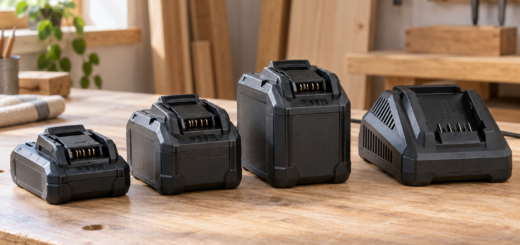
Battery claims need context. Runtime varies with brightness, battery capacity, and temperature. A small battery may last only a few hours at full output, while a larger pack adds weight and cost. If you already own batteries and a charger from a cordless tool platform, choosing a compatible light can save more than buying a cheaper light on a new battery system. Otherwise, compare the cost of the light, battery, and charger together.
Choose by job and budget
For occasional repairs, a simple LED light with a stable base or hanging hook is usually enough. You do not need a floodlight with every feature to replace a trap or inspect a short run of pipe. Search for a basic cordless work light with a hook if you want a low-cost option, but check whether the listing includes the battery and charger.
If you already use a particular cordless tool platform, a bare tool can be the better buy. It avoids paying twice for batteries, but only makes sense if your existing packs fit and are in good condition. For a more versatile setup, compare a cordless light with a magnetic base and adjustable head. The magnet is a bonus for steel framing, not a substitute for a hook or base in a mostly wooden crawlspace.
| Option | Best for | Trade-off |
|---|---|---|
| Basic light with hook or base | Short, occasional repairs | May have fewer brightness settings and a smaller battery |
| Bare tool from your battery platform | Owners of compatible batteries | Battery and charger are extra if you do not already own them |
| Higher-output adjustable light | Longer inspections or larger work areas | Costs more; high brightness can shorten runtime and cause glare |
Avoid common buying mistakes
Do not compare lights by lumen number alone. Sellers may quote maximum output without explaining how long the light can sustain it. Look for multiple settings and a stated runtime, then treat that runtime as a guide rather than a guarantee. If the product page does not clearly say whether a battery is included, assume it may be a bare tool until you confirm.
Also consider how the light will survive the space. A light lying in damp soil or getting knocked against a joist may fail even if its brightness is adequate. Check the manufacturer’s dust and water-resistance rating, if one is provided, and avoid treating “rugged” marketing language as a waterproof rating. Keep the light off standing water, inspect the battery contacts after use, and wipe away dirt before storing it.
A magnetic base can be frustrating when the only nearby surfaces are wood. A hook is more broadly useful, but it needs a suitable place to hang and should not swing into the repair. If the light must sit on the ground, a wide base and a pivoting head are more useful than a strong magnet. For confined work, a second inexpensive headlamp can also help: it keeps light on the spot you are looking at while the work light illuminates the broader area.
When to buy
Seasonal promotions can reduce the cost of bare lights and battery kits, especially around major tool-brand sales and holiday periods. Compare the final bundle price, not just the discount label. A kit that includes a battery and charger is worthwhile if you need both; it is poor value if you already have compatible packs. Battery platform changes are expensive, so buying a light just because it is marked down may cost more over time.
For one repair, borrowing a compatible light or using a corded work light with a properly rated extension cord may be cheaper than starting a battery platform. A cord is less convenient in a tight crawlspace and can snag, so route it away from the work area and keep connections out of damp spots. For recurring maintenance, a cordless light is easier to reposition and avoids managing a cable.
A practical pick
For most homeowners doing occasional crawlspace repairs, the best affordable choice is a modest LED work light with a hook or stable base, a pivoting head, and a low setting. Buy a bare tool only if you already own compatible batteries. Spend more for a larger battery or higher output when the job is long, the space is broad, or you will use the light regularly. If the light cannot be secured where you need it, extra lumens will not make the repair easier.