How to Decide Whether Brushless Performance Justifies a Higher Tool Price
What's inside
As an Amazon Associate I earn from qualifying purchases. This post may contain affiliate links at no extra cost to you.
Brushless tools usually cost more than comparable brushed models, but the price difference is not automatically justified. The right question is not whether brushless motors are better. They generally are. The useful question is whether the improvement matters for the work you actually do, and whether it will repay the extra cost before the tool is replaced.
What brushless changes
A brushed motor uses carbon brushes and a commutator to deliver power to the spinning armature. Those parts create friction, heat, electrical noise, and eventual wear. A brushless motor uses electronic controls instead, so there is no brush contact to replace.
In practical use, brushless tools typically run cooler and use battery energy more efficiently. The electronic controller can also adjust power based on load. That can mean stronger performance when driving a long screw, drilling a large hole, or cutting dense material. Some tools offer electronic overload protection, variable speed control, and automatic shutoff when the motor gets too hot.
These advantages are real, but they are not equally valuable in every job. A homeowner who drills a few holes each year may never wear out the brushes in a basic drill. A contractor using the same drill for several hours a day is much more likely to notice reduced runtime, heat buildup, and motor wear.
Where the extra price usually pays
Usage frequency is the biggest factor. If you use a tool weekly or daily, brushless is easier to justify. Less energy wasted as heat can provide longer runtime from the same battery, although the actual difference varies by tool, battery, speed setting, and material. Do not assume a brushless tool will run twice as long; gains are often noticeable rather than dramatic.
Brushless motors also make more sense for high-load tools. Impact wrenches, circular saws, angle grinders, reciprocating saws, and rotary hammers place heavier demands on a motor than occasional light drilling. Repeatedly pushing a tool near its limit creates heat, and heat is hard on motors, batteries, grease, switches, and electronics.
For example, cutting framing lumber with a circular saw is an intermittent task. Cutting sheet goods all afternoon, trimming hardwood, or working through wet construction lumber is much tougher. In those situations, a brushless saw may maintain speed better and recover faster after a heavy cut. It may also reduce the chance of an automatic thermal shutdown during a busy work period.
For demanding jobs, compare brushless cordless drill-driver kits by battery capacity, included charger, warranty, and bare-tool price—not just the motor label.
When a brushed tool is the better value
A brushed tool is often fine for light, infrequent work: assembling furniture, hanging shelves, drilling pilot holes, installing cabinet hardware, or making a few repairs each year. If the tool will run for five minutes at a time and spend most of its life in a drawer, efficiency and heat management have limited value.
Brushed tools can also be the sensible choice when the purchase price includes a battery and charger. A low-cost brushed kit may cost $50 to $100 less than a comparable brushless kit. That difference can buy extra bits, blades, or a second battery—items that may improve productivity more than the motor upgrade.
There is a failure mode on both sides. Brushes eventually wear, but they are usually inexpensive and sometimes replaceable. Brushless tools eliminate brushes but add electronic control boards. If that board fails outside the warranty period, repair can be expensive or impractical. A brushless tool is not maintenance-free; its battery, trigger, gearbox, bearings, and electronics can still fail.
Compare the complete cost, not the tool sticker
| Factor | Brushed option | Brushless option |
|---|---|---|
| Purchase price | Usually lower, especially in basic kits | Usually higher; premium batteries may add more |
| Light occasional use | Often the best value | Benefits may never repay the premium |
| Heavy or repeated use | More heat and brush wear under sustained load | Usually better suited to demanding cycles |
| Maintenance | Brushes may eventually need replacement | No brushes, but electronics can be costly to repair |
| Battery ecosystem | May use the same batteries as higher-tier tools | Often shares the same platform, but may require larger batteries |
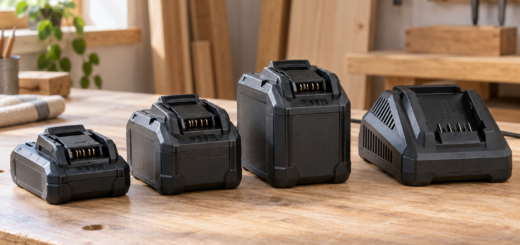
Battery compatibility can outweigh motor type. If you already own several batteries from a reliable platform, buying a bare tool may be cheaper than switching brands. Check whether the tool’s performance depends on a high-output battery. A compact battery may run a brushless saw, but it can deliver shorter runtime and trigger earlier thermal protection than a larger pack.
Also price replacement batteries. A bargain tool with a $100 replacement battery may be less economical than a better-supported platform with frequent sales. Batteries commonly last several years, but heat, deep discharge, and heavy use shorten their life. Include at least one replacement battery in a long-term cost comparison.
Use brand value and timing to reduce the premium
Brand value matters most through battery availability, warranty support, parts access, and the size of the tool lineup. A brushless tool from a brand with only a few compatible products may be a poor investment if you later need a saw or work light. Conversely, paying extra for a professional label is not worthwhile if the warranty, ergonomics, and specifications do not fit your work.
Look for battery-and-tool bundles around major holiday sales, spring renovation promotions, and end-of-year clearance periods. Kits often include a free tool or larger battery, making the brushless upgrade much cheaper than buying the pieces separately. Compare the sale price with the normal bare-tool price, because a “free” accessory is only valuable if you would use it.
If you need a high-load tool, shop brushless cordless circular saw kits during bundle promotions rather than paying full price for the saw alone. For occasional repairs, a corded variable-speed drill can avoid battery replacement costs altogether.
A simple buying rule
Choose brushless when the tool will see frequent use, sustained high loads, or when runtime and reduced heat directly affect your work. Choose brushed when the job is occasional, the budget is tight, and a cheaper kit meets the performance requirement.
Before buying, estimate hours of use per month. Under two or three hours of light work, the cheaper tool is usually adequate. At roughly five to ten hours, compare runtime, comfort, warranty, and battery prices carefully. Above that—or when the tool regularly stalls, overheats, or drains batteries during a job—the brushless premium becomes easier to defend.