How to Decide Whether a Tool Kit or Individual Purchases Will Save Money
What's inside
As an Amazon Associate I earn from qualifying purchases. This post may contain affiliate links at no extra cost to you.
Start With the Job, Not the Kit
A tool kit looks cheaper because the price is visible in one box. That does not mean every tool inside is a bargain. The right comparison is the cost of the tools you will actually use, plus the cost of replacing weak or missing pieces.
Begin with a short list of tasks for the next 12 months. Hanging shelves might require a drill, driver bits, a level, a tape measure, and wall anchors. Basic car maintenance may call for sockets, ratchets, extensions, and screwdrivers. A kit designed for both jobs can contain useful items, but it can also add pliers, duplicate bits, or metric sizes you will never touch.
Separate the list into three groups:
- Must have: tools needed for the job you are doing now.
- Likely useful: tools you expect to use several times within a year.
- Nice to have: tools included mainly because they make the case look larger.
If a kit contains only four must-have tools and 30 filler pieces, compare its price with buying those four tools separately. The kit is not automatically a good value because it has a high piece count.
Calculate the Real Break-Even Price
Use current prices, not the manufacturer’s claimed total value. Add the individual prices of the tools you would otherwise buy, then include a realistic allowance for replacements. A cheap drill that fails after two years is not cheaper than a better drill that lasts five years.
A simple calculation is:
Kit value = cost of needed items + usable extras − replacement allowance − duplicate cost.
For example, imagine a $120 kit containing a drill, charger, battery, circular saw, light, and 20-piece bit set. You need the drill and light, but you already own a compatible battery and have no use for the saw. If the drill-and-light combination costs $95 individually, the kit saves $0 only if the included battery and saw are worth at least $25 to you. If the saw is a low-quality tool you would replace later, the kit may be the more expensive choice.
Do not count a tool at full retail value if it is frequently discounted. A kit’s “$300 value” claim often compares its price with suggested retail prices while individual tools are regularly sold below that figure.
| Comparison point | Kit purchase | Individual purchases |
|---|---|---|
| Upfront cost | Usually lower per piece | Higher if buying many tools at once |
| Tool quality | May be uneven; filler items are common | You can spend more on high-use tools |
| Battery compatibility | Can establish one cordless platform | You choose the platform deliberately |
| Duplicates | Common, especially with bits and screwdrivers | Rare unless you buy them intentionally |
| Warranty and service | May cover the set differently from loose tools | Each tool has its own warranty terms |
Spend More Where Failure Costs You Time
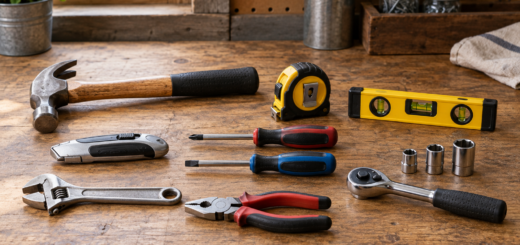
Individual buying makes the most sense when one tool will see heavy use. A homeowner may be perfectly satisfied with inexpensive screwdrivers or a basic manual tool kit. Those tools are simple, and a failure usually means reaching for another screwdriver.
Power tools are different. A weak drill can overheat, strip fasteners, drain batteries quickly, or stop in the middle of a project. A poor circular saw may wander through sheet goods or bind more easily. Spend more on the drill, driver, saw, or wrench you will use every week, then save on occasional-use accessories.
For a first cordless purchase, a kit can be valuable if it includes two batteries, a charger, and tools you genuinely need. Batteries and chargers are expensive when purchased later. However, check the battery capacity. A kit with two small 1.5Ah batteries may cost less than one with 4.0Ah batteries, but the smaller packs may require frequent charging during drilling or cutting.
Choose one battery platform when possible. Owning three brands can mean three chargers and several battery types taking up space. The cheapest tool today can create a higher system cost over five years.
Look for Hidden Costs and Failure Modes
Bits are a common trap. A 100-piece set may contain many duplicate Phillips bits, shallow sockets, and sizes you will never use. For occasional household work, a compact drill and driver bit set with common sizes can be better than a large assortment. Expect inexpensive driver bits to wear or twist when used in impact drivers; buy replacements individually when a size becomes a regular part of your work.
Check whether the kit includes a case that holds everything securely. Loose tools are easy to lose, and a broken plastic latch can turn a portable kit into a drawer of mixed parts. Also check socket drive size, metric coverage, and whether the set includes deep sockets. A kit with only shallow sockets may not reach recessed automotive fasteners.
Warranty terms matter as well. A low-cost kit may have a limited warranty requiring you to ship the entire set, while a better individual tool may receive local service or a straightforward replacement. Read the warranty before treating a low price as a long-term value.
When a Kit Is the Better Buy
Buy a kit when at least 70% of its important tools match your immediate needs and the kit price is at least 15% below the comparable individual total. That discount gives you some protection against one unwanted item or an eventual replacement.
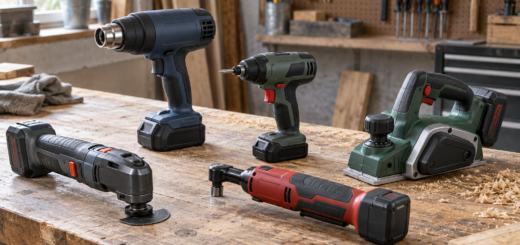
Kits are especially practical for new homeowners, renters setting up a first repair drawer, and users starting on a cordless platform. A compact cordless power tool combo kit can provide a drill, driver, light, batteries, and charger for less than assembling the same system piece by piece.
They are also useful before a predictable project, such as building a deck or repairing a vehicle, provided you verify that the included sizes and accessories match the job. Do not buy a kit just because the extra tools might be useful someday. “Someday” is how unused tools consume both money and storage.
When Individual Purchases Win
Buy separately when you already own compatible batteries, when you need only two or three tools, or when the kit forces you to accept a weak tool in a critical role. Individual purchases also make sense for specialized work. A plumber, mechanic, or finish carpenter usually needs specific quality levels and sizes that general-purpose kits do not provide.
Seasonal timing can narrow the price gap. Cordless kits are often discounted around Black Friday, holiday promotions, and spring outdoor-project sales. Hand tools may see better prices during holiday gift periods, while outdoor power equipment often drops after the main lawn season. Track the normal price for a month or two instead of assuming a sale label means a bargain.
The best decision is usually a mixed one: buy a solid kit for the common foundation, then upgrade or add individual tools as your work proves the need. That approach keeps the initial cost controlled without locking you into a drawer full of cheap tools you will eventually replace.