How to Time Tool Purchases Around Spring Construction Demand
What's inside
As an Amazon Associate I earn from qualifying purchases. This post may contain affiliate links at no extra cost to you.
Spring is when tool prices and tool demand start moving in opposite directions. Contractors, remodelers, landscapers, and DIY buyers all begin shopping at once, especially after the first warm weekends. That can make common cordless tools, ladders, saws, compressors, and outdoor equipment harder to find—and less likely to be discounted.
The best buying strategy is not “buy everything in winter.” It is to separate tools into three groups: equipment that is cheapest before the season, equipment that is discounted during spring promotions, and equipment that is safe to buy only when you know the job is real.
Use the seasonal demand calendar
Retailers usually promote tools around holiday events, tax-refund season, spring cleanup, and the start of outdoor construction. The exact dates change, but the buying pattern is fairly consistent.
| Tool category | Best buying window | Why timing matters | What to watch for |
|---|---|---|---|
| Drills, impact drivers, saws | November through January | Holiday kits and clearance bundles are common | Small batteries, outdated platforms, inflated “regular” prices |
| Lawn and outdoor power tools | Late winter or end of summer | Retailers clear inventory before or after peak demand | Battery and charger compatibility |
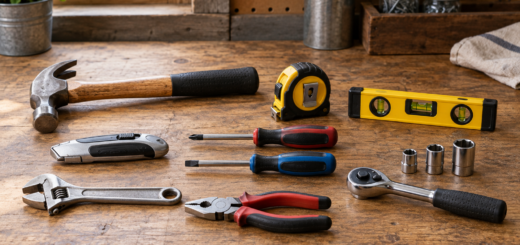
| Ladders, levels, hand tools | Late winter through early spring | Demand rises before major repair season | Shipping damage and low-grade hardware |
| Compressors and pneumatic tools | Holiday sales or late summer | Large, slower-moving items are often promoted | Noise, tank size, and included hose quality |
| Concrete, framing, and demolition tools | Before local construction season | Availability can matter more than a small discount | Rental cost versus ownership |
For tools you will use weekly from March through June, buying four to eight weeks early is usually safer than waiting for the first warm weekend. You can inspect the tool, register the warranty, and return it if a battery or switch is defective.
Buy before the spring rush when downtime is expensive
A $20 saving is not a saving if a missing tool delays a $2,000 job. Cordless drills and impact drivers are good examples. Spring demand often pushes buyers toward multi-tool kits, but kit value depends on what is actually included. A kit with two tools, two batteries, and a charger may be better than a five-tool kit with one small battery that cannot keep up.
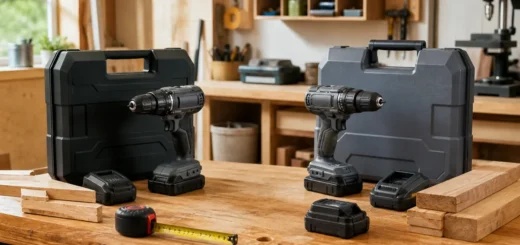
For a homeowner doing occasional repairs, a cordless drill and impact driver combo kit is often the sensible starting point. Look for a brushless motor, at least one 2.0 Ah battery, and a second battery if you will work overhead or away from an outlet. A brushed tool can be perfectly adequate for hanging cabinets, assembling furniture, and drilling into wood, but brushless tools usually run cooler and deliver better runtime under repeated load.
Do not buy a platform based only on the tool’s sale price. Batteries can cost $50 to $150 each, and a low-priced bare tool may become expensive once you add a charger and two batteries. If you already own batteries from a reliable platform, staying with that system often has more value than switching brands for a slightly cheaper tool.
Treat spring promotions as package deals, not automatic bargains
Spring sales are useful for outdoor equipment and renovation tools, but compare the complete package. A “free tool” promotion may require buying a high-priced starter kit. Check the normal price of the base kit, the retail price of the bonus tool, and whether you would have bought either item separately.
For lawn work, battery equipment is attractive because it avoids fuel storage, carburetor problems, and oil changes. It is not always cheaper. A small electric trimmer can be excellent for a typical suburban yard, while a gas machine may still make more sense for heavy brush or several hours of continuous work. For spring cleanup, compare battery string trimmer and blower kits by battery capacity and included charger, not just advertised voltage.
A 2.0 Ah battery may handle light trimming, but thick grass can drain it quickly. A 4.0 Ah or larger battery adds weight and cost but reduces interruptions. Check replacement battery prices before committing to a platform.
Know when the cheaper tool is fine
Budget tools are usually reasonable when the work is intermittent, the material is forgiving, and failure will not create a safety problem. A homeowner cutting a few shelves can use an inexpensive circular saw. A professional framer cutting hundreds of feet of lumber each week needs better dust control, a stronger base, more consistent alignment, and a battery system that survives daily use.
Spend more on tools where failure can damage material or injure someone: ladders, saw guards, extension cords, chargers, and concrete equipment. A low-cost extension ladder rated for the intended load is not the place to accept bent rails, weak locks, or vague safety labeling. For a drill, a failed chuck is frustrating. For a ladder, a failed lock can be catastrophic.
The cheapest option also tends to fail in predictable ways: batteries lose capacity after heavy heat exposure, bargain saws develop fence or shoe alignment problems, compressors cycle constantly when their tank is too small, and low-cost levels can be inaccurate after a fall. Read reviews for these specific failure modes rather than relying on star ratings.
Rent large tools when the job is uncertain
Spring is a poor time to buy an expensive specialty tool for one project. A rotary hammer, floor sander, concrete saw, or drain machine may cost $300 to $1,000, while a one-day rental may cost $50 to $150. Add blades, bits, delivery, and possible repairs before deciding.
Buying begins to make sense when you expect three or more substantial uses, need the tool on short notice, or can earn money with it. Even then, check storage and maintenance. A compressor that sits in a damp garage can collect tank moisture and rust internally. A pressure washer left with water inside can freeze and crack its pump.
Track the real price before you buy
Record the price of the exact kit, not just the headline discount, for at least two or three weeks. Include shipping, sales tax, batteries, blades, bits, and the warranty. Compare the return period as well; a cheap marketplace listing is less attractive if returns are difficult or the seller is not authorized.
Set a target price before spring promotions begin. For many mainstream cordless kits, a 15% to 25% discount from the normal street price is meaningful. Discounts under 10% may simply reflect ordinary price movement. If the tool is needed for a scheduled job, buy when the complete package reaches a fair price and stock is reliable, rather than waiting for a theoretical lowest price that may never appear.
Finally, inspect every purchase immediately. Charge each battery, test the trigger, check saw alignment, verify included accessories, and look for cracked housings or bent hardware. Finding a defect in February is easy. Finding it on the first Saturday of spring construction is expensive.