Best Value Pliers and Screwdriver Set for General Repairs
What's inside
As an Amazon Associate I earn from qualifying purchases. This post may contain affiliate links at no extra cost to you.
A good general-repair tool set does not need to be large. For most household jobs, the best value comes from a medium-size plier set paired with a screwdriver set that covers common Phillips, slotted, Torx, and hex fasteners. Spending more helps with grip, fit, and durability, but the cheapest sets are often perfectly adequate for occasional furniture assembly, appliance adjustments, bicycle work, and light plumbing repairs.
As an Amazon Associate we earn from qualifying purchases at no extra cost to you.


What You Actually Need
Start with three pliers: a 6- to 8-inch slip-joint plier, an 8-inch long-nose plier, and an 8- or 10-inch diagonal cutter. A groove-joint plier is useful for larger fittings, but it is not a substitute for the smaller slip-joint tool. For electrical work, add an insulated combination or lineman’s plier only if it carries the appropriate safety rating; ordinary rubber handles do not make a tool electrically safe.
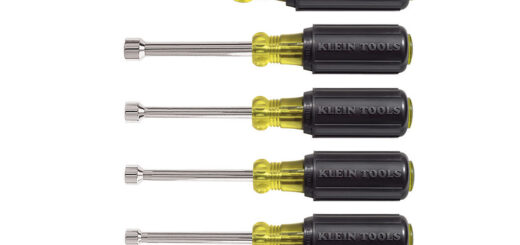
For screwdrivers, look for #1 and #2 Phillips drivers, 3/16-inch and 1/4-inch slotted drivers, and at least T15, T20, and T25 Torx sizes. A small precision set is helpful for electronics and eyeglasses, while a nut-driver set can save time on appliances and furniture. A ratcheting handle with interchangeable bits offers more coverage per dollar, but dedicated screwdrivers are usually more comfortable for stubborn screws.
If you are building a kit from scratch, this basic plier set and a separate multi-bit driver set generally provide better coverage than a large 100-piece kit filled with duplicate bits.
Best-Value Combinations
| Buyer type | Recommended setup | Typical price range | Main trade-off |
|---|---|---|---|
| Occasional homeowner | Basic three-piece plier set plus 20- to 40-piece screwdriver kit | $25–$45 | Less refined handles and weaker bit storage |
| Frequent DIY user | Forged pliers plus dedicated Phillips, slotted, Torx, and bit drivers | $50–$90 | Costs more and takes more drawer space |
| Repair-focused buyer | Groove-joint plier, cutters, long-nose plier, ratcheting driver, and precision bits | $60–$120 | More pieces to maintain and sort |
| Rare emergency use | Compact all-in-one household tool kit | $20–$40 | Usually includes low-quality scissors, tape, and duplicate bits |
The budget combination is the sensible choice for most people. A low-cost plier set can handle wire, cotter pins, hose clamps, and small nuts as long as you do not use it as a substitute for a wrench. The cheaper screwdriver option is also fine when the fasteners are new and the work is occasional. The main risk is poor bit fit, which rounds screw heads and turns a five-minute repair into a drilling job.
Where Cheap Tools Fail
Cheap pliers usually fail in three ways: the jaws do not meet evenly, the pivot develops sideways play, or the cutting edges become notched after cutting hard wire. For general repairs, a small amount of stiffness is acceptable, but the jaws should close without a visible gap at the tips. Open and close the plier several times before buying. If the handles flex noticeably under hand pressure, expect poor control.
Low-cost screwdrivers tend to have soft tips. They may work on cabinet hardware, plastic housings, and light-duty fasteners, but they are a poor choice for rusted screws or high-torque work. Avoid using a screwdriver as a pry bar or chisel. Even a good driver can snap or slip, and a cheap one can damage the screw almost immediately.
Bit sets have another common weakness: attractive piece counts. A 100-piece kit may contain several socket adapters, duplicate Phillips bits, and sizes you rarely use. Count useful drive types instead of total pieces. A 30-piece kit with clearly marked, hardened bits is often more practical than a 100-piece kit with vague labeling and a loose plastic case.
Brand Value and Materials
For pliers, forged steel construction matters more than a famous logo. Chrome vanadium or similar alloy steel is common in worthwhile midrange tools, but the label alone does not guarantee quality. Look for smooth pivot movement, clean jaw machining, and handles that remain comfortable after several minutes of squeezing. A mid-priced house brand can outperform a premium-looking set if its jaw alignment is better.
For screwdrivers, tip geometry and hardness matter most. Magnetic tips are convenient for dropped screws, but magnetism does not compensate for a badly sized tip. A #2 Phillips driver is not interchangeable with a #1, and neither should be forced into a Pozidriv screw. Torx drivers are especially useful on appliances, bicycles, lawn equipment, and furniture. If those jobs are likely, prioritize Torx coverage over extra slotted sizes.
Premium brands make more sense for daily trade work, repeated high-force use, or situations where a damaged fastener costs more than the tool. For a homeowner making a few repairs each month, midrange tools usually offer the best value. The jump from the cheapest set to a decent midrange set is noticeable; the jump from midrange to premium is smaller unless you use the tools every week.
Buying and Seasonal Timing
Tool prices often drop during spring home-improvement promotions, Father’s Day sales, Black Friday, and the weeks before Christmas. Sets are commonly discounted 15% to 30%, but compare the piece count and contents before assuming a bargain. A lower price on a larger set is not useful if it replaces solid drivers with disposable bits.
Watch for “new version” packaging and bundled accessories. Retailers may combine a basic plier set with a flashlight or tape measure and charge more than the tools are worth. Check the individual prices of comparable multi-bit screwdriver sets before buying a bundle.
For the best long-term value, buy fewer tools with common sizes, store them dry, and replace damaged bits instead of continuing to use them. If you regularly work on plumbing, automotive parts, or electrical equipment, expand by category rather than buying another oversized household kit. That approach costs slightly more at first, but it avoids paying repeatedly for tools you already own.