Best Value Tools for a Beginner Furniture Maker
What's inside
As an Amazon Associate I earn from qualifying purchases. This post may contain affiliate links at no extra cost to you.
Furniture making rewards accurate tools more than a crowded workshop. A beginner can build useful tables, shelves, and small cabinets with a short list of dependable equipment, then add specialized tools when a real project calls for them. The best value is usually a mid-priced tool that stays accurate and has common replacement parts—not the cheapest item on the shelf or the most expensive one in the catalog.
As an Amazon Associate we earn from qualifying purchases at no extra cost to you.


Buy for the work you plan to do
Start with a tape measure, combination square, pencils, hearing and eye protection, and a way to hold work securely. These are not glamorous purchases, but a square that is out of true can spoil every cut made from its layout. Check a combination square by drawing a line, flipping the tool, and drawing another against the same edge. If the lines do not meet, return it.
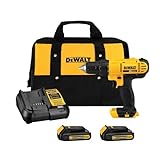
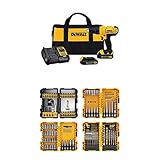
For a first powered tool, a corded or cordless drill is versatile for pilot holes, hardware, and simple jigs. A drill with a clutch helps prevent stripped screws; a second battery matters more than a long list of speed settings if you choose cordless. A basic cordless drill-driver kit is enough for most beginner furniture work. The cheaper option is fine if it has a comfortable clutch, a chuck that holds bits securely, and batteries you can replace or use with other tools in the same system.
Where the money makes the biggest difference
| Tool | Useful beginner target | Value notes |
|---|---|---|
| Circular saw | $60–$150 corded; more for a cordless kit | A straightedge guide improves accuracy more than a premium feature package. |
| Random-orbit sander | $50–$100 | Dust collection and low vibration matter during long sanding sessions. |
| Clamps | $10–$30 each, depending on type and length | Buy a few sizes first; long clamps are useful but costly and awkward to store. |
| Combination square | $15–$40 | Check accuracy before use. A poorly made square wastes material regardless of price. |
| Chisels | $25–$60 for a small set | Moderate-priced chisels work well if you can sharpen them and keep them sharp. |
A circular saw and a straightedge can break down sheet goods and cut boards accurately without the cost and space of a table saw. Expect to spend time setting up each cut: clamp the guide, account for the distance from the saw’s blade to its shoe edge, and support the offcut so it does not pinch the blade. A corded circular saw with a straightedge guide is a sensible starting point for a fixed workshop. Its trade-off is slower setup than a track saw, not poor results when the guide is secure.
Spend carefully on sanding and clamping
A random-orbit sander is a good early purchase because it removes scratches and prepares broad surfaces more consistently than hand sanding alone. Look for a common 5-inch hook-and-loop pad, easy-to-find replacement discs, and a dust port that fits a shop vacuum or adapter. A bargain sander may be adequate for occasional projects, but excess vibration can tire your hand, while weak dust collection leaves abrasive dust on the work and in your lungs. Use a respirator and eye protection even when the tool has a dust bag.
Do not buy a dozen clamps before you know what you build. For a small cabinet or table, four clamps can be enough for a glue-up; uneven pressure or poorly aligned parts are more likely to cause trouble than too few clamps. Add clamps in the lengths your projects demand. Bar clamps are versatile, while parallel-jaw clamps can make it easier to keep a panel flat but cost more. Simple cauls—straight scrap boards tightened across a panel—can help correct alignment without buying a specialized clamp for every job.
Wood glue has a limited open time, so dry-fit the assembly and arrange clamps before spreading glue. A rushed glue-up can leave joints open or panels twisted. Clamps do not need to crush the joint: a thin, continuous bead of squeeze-out is a better sign than deeply dented wood.
Compare support, not just sticker price
Major tool brands often charge more for cordless kits, but the battery platform can justify that premium if you expect to add tools. Compare the price of a bare tool and a replacement battery, check whether the kit includes a charger, and see how many tools use the same battery. A cheaper brand can be a good choice for a corded tool that does not depend on a shared battery system. For occasional use, corded tools also avoid the future cost of aging batteries.
With hand tools, brand reputation is a weaker shortcut than fit and condition. A mid-priced chisel that sharpens easily can outperform a costly chisel left dull. A low-cost set is acceptable for learning, but budget time for sharpening; blunt edges tear fibers, wander, and require more force. Avoid buying a large kit just because its per-tool price looks low if half the pieces will sit unused.
Use sales without letting them choose your tools
Tool promotions often cluster around major holiday weekends, Black Friday, and spring home-improvement sales. Battery kits and bundled accessories can offer real savings, but compare the bundle with the bare tool, battery, and charger bought separately. A “free” extra tool is poor value if it belongs to a battery platform you will not use.
Before a sale, write down the normal price and the exact features you need. Watch for clearance deals on corded tools, clamps, and sanding supplies, where a discount does not lock you into a battery ecosystem. Do not stockpile abrasive discs or glue far ahead: sanding discs clog, and adhesive products have storage limits. Buy consumables for the next project, then restock when the price is genuinely lower.
Add precision tools when a project earns them
A router, table saw, or thickness planer can expand what you build, but each has setup, safety, and space costs. A router is useful for roundovers, grooves, and templates; a table saw speeds repeated cuts but needs guarding, careful setup, and room for long stock. A planer can make boards uniform, but it will not flatten a twisted board by itself. Borrow or rent a specialized tool for a one-off job before buying it.
Keep a small reserve for blades, bits, sharpening supplies, and dust control. A sharp blade and a measured setup often improve results more than stepping up one price tier. Buy the next tool only when you can name the task it will make safer, more accurate, or substantially faster.