Best Value Tools for Building a Backyard Compost Bin
What's inside
As an Amazon Associate I earn from qualifying purchases. This post may contain affiliate links at no extra cost to you.
Building a backyard compost bin is one of those projects where tool choice matters less than technique, but buying wrong can still waste $100 or leave you with a bin that falls apart in two seasons. You don’t need a shop full of tools. A simple 3×3 foot slatted bin made from untreated pine, cedar, or reclaimed pallets can be built in an afternoon with three core tools. Here’s where to spend, where to save, and what to buy based on actual value, not marketing.
As an Amazon Associate we earn from qualifying purchases at no extra cost to you.


What You’re Actually Building
Most backyard bins are one of three designs: a single open slatted box, a three-bay system, or a pallet bin held together with brackets. All three use the same joinery – butt joints with screws, sometimes with a 2×4 frame for rigidity. You are not building furniture. Joints don’t need to be perfect, but they need to resist constant moisture, ground contact, and the outward pressure of 600-800 pounds of wet compost. That means exterior screws, not nails or interior drywall screws, and wood that can tolerate rot or be cheap enough to replace.
For a single 36″ x 36″ x 32″ bin, expect to use 12-14 1x6s at 6 feet, four 4×4 or 2×4 corner posts at 36 inches, and about 1.5 pounds of 2-1/2″ exterior screws. Total lumber cost in 2025-2026 is $45-$85 for standard SPF or heat-treated pine, $120-$180 for cedar. Pallet wood can be free, but factor in an extra hour for denailing and straightening.
Core Tools vs. Nice-to-Haves
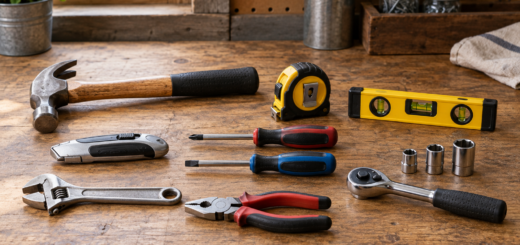
You can build a functional bin with a drill/driver, a saw, and a tape measure. Everything else just saves time. A miter saw makes square cuts faster, an impact driver drives screws with less wrist strain, and a speed square keeps things from going crooked. Don’t buy a specialty tool for this one project unless you have other uses planned.
| Tool | Budget Route ($) | Mid-Range Value ($) | When Paying More Makes Sense |
|---|---|---|---|
| Drill/Driver | $45-$65 (12V kit) | $79-$129 (18V/20V kit with 2 batteries) | You already own batteries in a system; you plan to build a deck or fence next |
| Saw | $35-$50 (hand saw) or $59 circular saw | $99-$149 corded circular saw | You cut cedar or hardwood regularly; you want cleaner, faster rips |
| Measuring/Marking | $10 tape + $8 speed square | Same – no need to upgrade | Never for this project |
| Fastening Help | Manual screwdriver (not recommended) | $69-$99 impact driver (often as bare tool) | Driving 80+ screws into dense wood or pallets |
| Safety | $12 safety glasses + $15 gloves | $25 glasses + $25 cut-resistant gloves | Always worth it; no failure mode is cheaper than an ER visit |
The cheapest option that still works well is a 12V drill and a basic circular saw. A 12V kit will drive 2-1/2″ exterior screws into pine or cedar without issue, but it will stall faster in old pallet oak and drain a 1.5Ah battery in about 40-50 screws. An 18V/20V kit gives you roughly double the runtime and noticeably less heat buildup.
Best Value Picks by Category
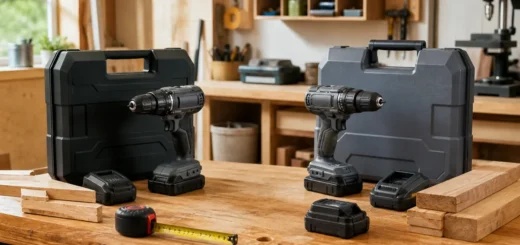
Drill/Driver: This is the one tool to get right. For compost bins, torque and battery life matter more than speed. A cordless drill driver kit in the 18V/20V range from Ryobi, Craftsman, or Skil at $79-$99 on sale is the value sweet spot. You get a drill that will handle this bin plus 90% of future homeowner tasks. Avoid the ultra-cheap $39 no-name kits – they often ship with a single 1.3Ah battery that dies mid-project and a charger that takes 4+ hours. If you already own a battery platform, buying a bare tool for $45-$65 is even better value.
If you own a drill and are debating an impact driver: an impact is not required, but for under $70 as an add-on it cuts driving time by about a third and sharply reduces stripped heads, especially with Torx or star-drive exterior screws. Cheap Phillips-head screws strip easily at an angle, which is the most common failure mode for beginners.
Saw: A circular saw corded at $89-$119 is the best value if you don’t already own a saw. Corded models cost less than cordless, never run out of power, and weigh about the same. For compost bins, cut accuracy of 1/16″ is plenty – slats are spaced 1/2″ to 3/4″ apart for airflow anyway. A $25-$35 hand saw also works for pine and cedar if you’re only building one bin, but expect 3-4 minutes per cut versus 10 seconds with a power saw, and more uneven ends that trap moisture.
A miter saw is faster and more accurate but hard to justify at $149-$229 for a single bin. Borrow or rent one if you want perfect 90-degree cuts without clamping a straight edge. Do not buy a jigsaw as your primary saw here – it’s slower on long rips and wanders on 1x6s unless you use a guide.
Bits and Blades: Spend the $8 on a proper impact-rated Torx bit set and a $12-$18 carbide circular saw blade with 24 teeth if your saw comes with a rough framing blade. Cheap bits cam out and round screw heads; a single ruined screw buried in a corner post can cost you 15 minutes of drilling it out. Use star-drive (T25) 2-1/2″ exterior screws – they cost about $9 for a 1 lb box and are worth every penny over Phillips.
Materials and Hardware Where Money Matters
The best tool can’t save bad materials. For compost bins, hardware choice is where bins fail early. Standard zinc screws rust in 6-12 months inside compost. Use polymer-coated or stainless exterior screws rated for ACQ-treated lumber, even if you’re using untreated wood. They cost $2-$3 more per pound but double the bin’s life.
For wood, untreated heat-treated pallet pine is free but inconsistent. Expect 20-30% waste from splits, warps, and nail holes. If you buy lumber, #2 whitewood SPF is fine if you accept a 3-4 year lifespan. Cedar heartwood lasts 7-10 years untreated but costs 2.5x more. A good compromise is to use cheap pine for slats (easy to replace) and a single 4×4 pressure-treated post for ground contact corners where rot starts first. A exterior wood screws 2 1/2 inch box and four corner brackets at $1.50 each will add more strength than upgrading your drill.
Don’t use chicken wire as a substitute for slats if animals are a concern – raccoons tear it in one season. 1/2″ hardware cloth at $0.60-$0.80 per square foot is the only budget screening that holds.
Seasonal Buying and Brand Value
Tool pricing for this type of project is highly seasonal. The best value windows are Father’s Day (June), Prime Day (July), and Black Friday through mid-December. Drill kits that list at $129 routinely drop to $79-$89 during those events, and circular saws see $20-$30 discounts. If you can wait, don’t pay full price in April or May when demand for outdoor tools peaks.
On brand value: Ryobi, Skil, Craftsman, and Hart offer the best dollar-per-performance for light-to-medium homeowner use. DeWalt, Makita, and Milwaukee cost 40-70% more and offer better durability and warranty support, but you won’t see that difference on a 2-hour compost build. Where premium brands do pay off is batteries – a 4Ah battery from a major brand holds up for 4-5 years, while budget 1.5Ah packs often degrade noticeably after two summers in a hot garage. If you buy budget, buy a kit with two batteries so one can charge while you work.
Refurbished and factory-reconditioned kits from the manufacturer’s outlet store are excellent value for this project – typically 20-30% off with the same warranty. For saws, corded refurbished tools are especially safe bets because there’s no battery to have degraded.
Build Tips That Save Money and Time
Predrill within 1 inch of board ends, even with self-drilling screws. Pine and cedar split at the ends, and a split slat loses half its screw holding power and wicks water. A 7/64″ bit for softwood takes 5 seconds and prevents the most common structural failure.
Cut all slats at once using the first good slat as a template – stack and gang-cut with a circular saw if you clamp them tight. This keeps the bin square without measuring each piece. Leave a 3/4″ gap between slats for airflow; bins without gaps turn anaerobic and smell, and tight bins need turning twice as often.
Build on level ground and check diagonal measurements before driving corner screws. A bin that’s 1/2″ out of square will still compost, but the lid or front slats won’t slide out cleanly if you designed removable front boards, which is the most useful feature for turning and harvesting.
Finally, don’t overbuild. A compost bin doesn’t need pocket holes, glue, or sanding. Four posts, 12 slats, 80 screws, and 90 minutes is a bin that will make soil for years. Put the $80 you save on tools toward a good compost thermometer or a second bin – having two bays so one can cure while you fill the other is more valuable than any premium tool upgrade.