Best Affordable Tools for Building a Raised Compost Bin
What's inside
As an Amazon Associate I earn from qualifying purchases. This post may contain affiliate links at no extra cost to you.
A raised compost bin is a simple build, but the wrong tool purchase can cost more than the lumber. For a basic 3-by-3-foot bin made from untreated boards, you can usually get by with a drill or driver, a saw, a tape measure, and a square. The best value is often a modest corded tool or a reliable budget cordless kit—not a premium tool with features the project won’t use.
As an Amazon Associate we earn from qualifying purchases at no extra cost to you.

Tools the build actually needs
Plan on cutting four corner posts and enough boards to make three or four sides, leaving gaps for airflow. A handsaw can handle the cuts, though a circular saw saves time if you’re making many. A drill/driver is the most useful powered tool: it drills pilot holes and drives screws without splitting the boards as easily as nails can.
Useful extras include a tape measure, pencil, speed square, clamps, and safety glasses. You can skip a dedicated miter saw for a square-sided bin. A level helps if the ground is uneven, but a straight board and a small level—or careful checking—will do.
Budget tool options
| Tool | Low-cost choice | Worth paying more when… | Common trade-off |
|---|---|---|---|
| Drill/driver | Basic corded drill or entry-level cordless drill | You’ll use it regularly or need to work far from an outlet | Corded tools need an extension cord; cheap cordless kits may have short runtime |
| Saw | Hand saw for a few straight cuts | You have many boards to cut or want repeatable speed | A hand saw takes effort; a circular saw needs careful support and safe handling |
| Measuring tools | Tape measure, pencil, and inexpensive square | You need frequent, accurate layout work | Very cheap squares can be out of true—check one against a straight edge |
| Clamps | One or two basic bar clamps, or a helper | You’re assembling alone or boards keep shifting | Small clamps may not span wide boards |
Choosing a drill without overspending
For one bin, a corded drill is a sensible low-cost option if you have an outdoor-rated extension cord and an outlet nearby. It won’t run out of battery halfway through the job, and there’s no battery platform to buy into. The inconvenience is managing the cord around lumber and keeping connections dry.
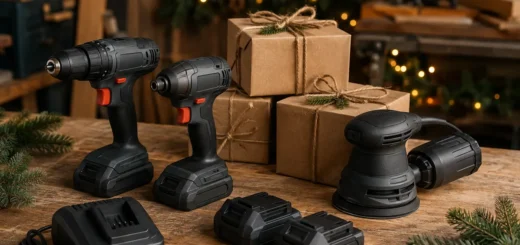
A cordless drill is easier to move around the build. For this project, a basic 12-volt model is generally adequate for pilot holes and ordinary wood screws; a 18- or 20-volt tool is useful if you already own compatible batteries or expect to drive long screws into dense lumber. Don’t pay extra just for hammer mode: it’s intended for masonry, not a compost bin.
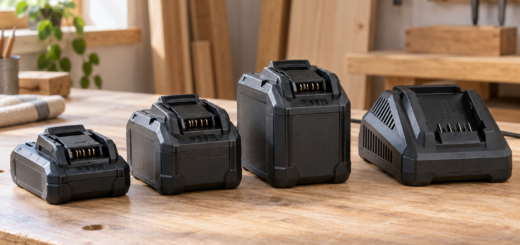
Compare kit prices with bare-tool prices before buying. A bare tool is a bargain only if you already own the matching battery and charger. If not, check what the kit includes and whether replacement batteries are readily available. A budget cordless drill/driver kit may cost more up front than a corded drill, but can be better value if you’ll use it for household repairs too.
Saws: hand-cut or powered?
If the lumber yard can make a few cuts for a small fee, compare that charge with the cost of buying a saw you may rarely use. For a handful of cuts, a sharp hand saw is inexpensive and avoids the learning curve of a circular saw. It’s also quieter and produces no power-cord or battery concerns. The trade-off is slower work and a greater chance of a wandering cut if the board isn’t held securely.
A circular saw makes sense if you already own one or are cutting a larger batch of boards. Use a stable support, keep hands clear of the blade path, and measure from the same reference edge each time. For a basic square bin, the extra precision of a miter saw usually isn’t worth the purchase. If you need a saw, compare a basic wood hand saw with local cut-to-length service before choosing.
Screws, lumber, and avoidable failures
Use outdoor-rated screws, such as coated deck screws, and drill pilot holes near board ends. Screws around 2½ inches long are a common fit for fastening 1-inch-thick boards to corner posts, though check the actual lumber thickness so the point doesn’t protrude. Very short screws may pull loose as damp boards swell and dry; screws that are too long can split a post or poke through.
Untreated lumber avoids introducing wood preservatives into the compost, but it will eventually rot, especially where it touches damp soil. Pressure-treated lumber lasts longer, but some gardeners prefer to keep it out of a compost bin. Cedar or naturally rot-resistant boards can be a middle ground, but they raise the material cost. Whatever you choose, leave gaps between side boards for airflow and drainage. Tight, poorly ventilated walls can hold water and encourage sour, compacted compost.
Don’t save money by reusing rusty or damaged fasteners, or by skipping eye protection when cutting. A split board can often be moved to a shorter section; a badly wandering cut may waste the whole piece. Measure twice, and make a test cut on scrap if you’re unfamiliar with a saw.
When to buy and where the value is
Tool promotions often cluster around major holiday sales and spring home-improvement season, but the lowest advertised price isn’t automatically the best deal. Check the kit contents, battery size, warranty terms, and whether the tool is part of a battery system you might use again. A discount on a bare tool is poor value if you then need to buy a charger and battery separately.
For a one-time bin, borrowing a saw, buying a basic hand saw, or paying for lumber cuts may beat buying a power tool. For several garden projects, an entry-level cordless drill kit can earn its cost back quickly. Choose based on the next few jobs you realistically expect to do—not a hypothetical workshop you may never build.