Best Affordable Tools for Building Raised Garden Beds
What's inside
As an Amazon Associate I earn from qualifying purchases. This post may contain affiliate links at no extra cost to you.
Building a raised garden bed does not require a full professional tool collection. For most beds, the essential jobs are measuring, cutting boards, driving screws, moving soil, and leveling the frame. A sensible budget is about $80 to $180 for basic tools if you own none of them, or $25 to $70 if you already have a drill and a shovel.
The best value comes from buying tools that will also handle fence repairs, shelving, pruning, and general outdoor maintenance. Avoid paying extra for extreme power or specialty features you will use once.
As an Amazon Associate we earn from qualifying purchases at no extra cost to you.


The essential tools and where to spend
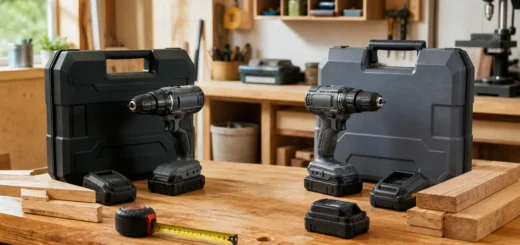
A cordless drill/driver is the most useful power tool for raised beds. Choose an 18V or 20V system with a clutch, variable speed, and a 1/2-inch chuck. A basic kit with one battery and a charger commonly costs $50 to $100. You do not need an impact driver for this project; it can easily overdrive screws into soft cedar or split the board ends.
If you already own batteries from a major tool system, buying a bare drill can cut the cost substantially. For a one-time project, a corded drill is often cheaper and will provide plenty of power, but the cord is inconvenient outdoors. A compact 12V drill is adequate for predrilling and driving short screws, although it may struggle with long structural screws.
Use a cordless drill/driver kit with a 3/8-inch or larger chuck, two speed ranges, and a battery of at least 1.5Ah. Two batteries are useful when assembling several beds, but not worth a large premium for one 4-by-8-foot frame.
A tape measure, carpenter’s square, pencil, and level handle layout and alignment. These are inexpensive hand tools, but accuracy matters. A 16-foot tape measure usually costs $8 to $20. A 9-inch torpedo level costs $8 to $15 and works for checking individual boards. A 24-inch level, usually $15 to $35, makes it easier to check the entire frame.
For cutting, a handsaw is the lowest-cost option and is fine for one or two beds. Expect to spend $12 to $25. A circular saw is faster and more versatile, with budget corded models often costing $40 to $70 and cordless versions costing $80 to $150 without a battery. For occasional garden work, the corded saw is usually the better value if you have safe outdoor power access.
Budget tool comparison
| Tool | Typical budget | Best choice for | Where cheap is acceptable |
|---|---|---|---|
| Tape measure and square | $15–$35 total | Accurate layout and square corners | Almost always; replace damaged or hard-to-read tools |
| Level | $8–$35 | Checking the frame and site | A basic torpedo level is enough for a small bed |
| Drill/driver | $50–$150 | Predrilling and fastening boards | Budget models work for occasional assembly |
| Circular saw | $40–$150 | Making repeated, straight cuts | A handsaw is fine for a single bed |
| Shovel and garden rake | $25–$70 total | Excavating, spreading soil, and cleanup | Used tools are often an excellent bargain |
| Clamps | $15–$40 | Holding boards while drilling | Optional; a helper can replace them |
Do not economize on fasteners and consumables
Cheap tools can complete the project, but poor fasteners can cause the frame to fail. Use exterior-rated screws, preferably coated construction screws or stainless steel when working with cedar. For 1-inch-thick boards, 2 1/2-inch screws are a useful general size. Use shorter screws near board ends to reduce splitting, and predrill holes about 1/8 inch smaller than the screw shaft.
Do not use drywall screws outdoors. They are brittle, rust-prone, and can snap when the frame shifts under the weight of wet soil. A 1-pound box of exterior screws commonly costs $8 to $18. That is a better place to spend an extra $5 than on a premium drill.
A new circular-saw blade also matters. The blade supplied with a low-cost saw may be rough or dull. A 40-tooth general-purpose blade in the $12 to $25 range produces cleaner cuts and reduces splintering. For a single bed, one blade is plenty unless you are cutting thick hardwood or treated lumber.
Useful exterior wood screws should be labeled for outdoor use and matched to the lumber. If the bed is made from pressure-treated wood, use compatible coated or stainless fasteners; ordinary bright steel screws can corrode quickly.
Brand value versus low-cost tools
Brand matters most for cordless tools because batteries and chargers lock you into an ecosystem. A $60 drill kit may be the best choice for one raised bed, but a $100 to $180 starter kit from a broad platform can be cheaper over five years if you later buy a trimmer, hedge cutter, or reciprocating saw. Compare the price of replacement batteries before choosing the tool.
For levels, squares, clamps, and hand saws, mid-priced tools are usually enough. The failure signs to avoid are loose jaws, a warped saw plate, a tape hook that slides excessively, or a level whose vial is cloudy or poorly protected. These problems affect accuracy immediately.
Store-brand circular saws can be good value, but check that the base plate is rigid and the depth adjustment locks firmly. A flexible shoe can make a supposedly straight cut wander by several degrees. That may not ruin a rough compost bin, but it creates gaps and twisting in a raised bed frame.
Tools for preparing the site
Site preparation often takes longer than assembly. A digging shovel is better than a narrow transplanting spade for removing sod. A garden fork helps break compacted soil and can cost $25 to $45. A bow rake spreads soil and gravel more efficiently than a leaf rake.
If the ground is reasonably flat, you can set the bed directly on the soil after removing grass and leveling high spots. For a slope, a shovel and level are more useful than expensive landscaping equipment. Dig the uphill side down until the frame sits level; do not simply build one side higher and leave the lower corner unsupported.
A garden shovel and bow rake set can lower the cost if you need both tools, but inspect the handles and welded joints. A cheap shovel is acceptable for loose soil; it may bend in rocky ground.
When to buy
Tool prices often improve around spring holiday sales, Memorial Day, Father’s Day, and Black Friday. Spring has the best selection, but demand is high. Buying a drill or circular saw in late fall can save 10% to 30%, especially when retailers clear older kits before new battery platforms arrive.
Buy lumber and soil separately from the tool purchase. Garden centers frequently discount raised-bed materials late in the season, while hardware stores may discount power-tool kits during holiday promotions. Check the final kit price, battery capacity, and included accessories rather than focusing only on the advertised discount.
For one bed, buy a basic drill, hand saw, level, and measuring tools, then rent or borrow a circular saw if needed. For multiple beds or recurring home projects, invest in a cordless platform and a better saw. That approach puts money into tools you will actually use instead of paying for professional durability that a single garden frame does not require.