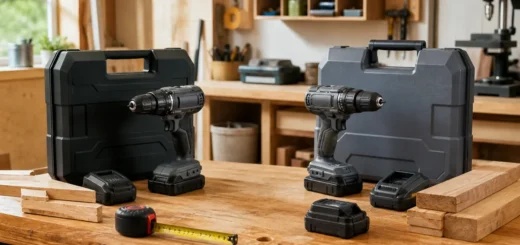
Best Affordable Tools for Repairing a Wooden Garden Gate
What's inside
As an Amazon Associate I earn from qualifying purchases. This post may contain affiliate links at no extra cost to you.
Repairing a wooden garden gate usually calls for a short list: a drill or driver, a square, a saw, clamps, and weather-resistant screws or hardware. You do not need professional-grade tools for one gate. Spend where a tool affects fit or safety, and borrow or rent tools that would otherwise sit unused.
As an Amazon Associate we earn from qualifying purchases at no extra cost to you.


Check the gate before buying tools
Open and close the gate, then look for the actual failure. A sagging gate may need its hinges tightened or repositioned; a cracked rail may need a splice or replacement; swollen boards may only need a little clearance. Check the posts too. If a post moves when you push it, replacing gate hardware alone will not solve the problem.
Measure the gate width, rail thickness, and gap at the latch. These figures determine screw length and replacement timber size. For exterior repairs, choose galvanized or stainless-steel fasteners. Ordinary indoor screws can rust and stain wood, especially where the gate stays damp.
Buy the right basic tools
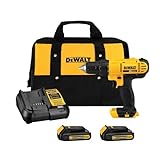
A cordless drill/driver is the most useful purchase if you do not already own one. For a single gate, an entry-level 12-volt drill is often enough for pilot holes and typical hinge screws. A 18- or 20-volt model is more comfortable if you will drive long screws, work on several gates, or use the tool for other home projects. Avoid paying extra for high torque you will rarely use; driving without a pilot hole can split dry rails or snap a screw regardless of the tool.
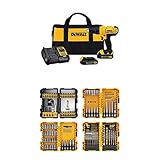
Look for a drill with a clutch, variable speed, and a chuck that accepts common bits. A clutch helps stop before a screw head strips or sinks too far. If you already own batteries in a brand’s cordless system, buying a bare tool from that line can be better value than starting over with a new battery and charger. Compare the complete kit price, not just the tool-only price.
A cordless drill/driver kit is a sensible buy if you lack a compatible battery system. For one repair, a basic kit is fine; spend more only if battery runtime, frequent use, or a longer warranty matters to you.
Hand tools that keep the repair square
A 6- or 7-inch combination square is inexpensive and more useful here than a large framing square. Use it to mark square cuts and check that replacement rails meet the stiles evenly. A tape measure, pencil, and level are also practical basics. A level helps check a post or gate edge, but a sagging gate should be diagnosed by its hinge and frame geometry, not adjusted blindly until the bubble looks right.
For cutting a cracked rail or trimming a replacement board, a sharp handsaw is adequate for one or two cuts and needs no battery. A compact circular saw is faster on repeated straight cuts, but it is harder to justify for a single gate and needs careful support. If the cut must be clean and square, clamp a straightedge as a guide or ask a lumberyard to make the cut.
Two small bar clamps are often more useful than buying a large, expensive clamp set. They can hold a split rail together while you drill or keep a patch in position. Do not clamp so hard that you crush soft, weathered wood. For a basic pair, compare 12-inch bar clamps with the cost of borrowing; a one-time repair may not justify buying them.
Tool choices by repair and value
| Tool | Typical use | Budget choice | When to spend more |
|---|---|---|---|
| Drill/driver | Pilot holes and hinge screws | Basic 12-volt kit, or a compatible bare tool | Frequent use, long screws, or an existing system with better batteries |
| Square | Marking and checking cuts | Basic combination square | Only if you need a more durable, easier-to-read rule for regular work |
| Handsaw | One or two timber cuts | Sharp general-purpose handsaw | A powered saw makes sense for repeated cuts, not merely to save a few minutes |
| Clamps | Holding a rail or patch in place | Two modest bar clamps or a borrowed pair | Longer reach or frequent woodworking repairs |
| Safety glasses | Protection while drilling or cutting | Basic impact-rated glasses | Choose a comfortable pair you will keep on; do not skip eye protection |
Prices vary by retailer, battery platform, and season, so compare current kit prices rather than relying on a single advertised discount. A low-priced tool is good value when it completes the repair cleanly and safely. It is poor value if it requires buying an incompatible battery, lacks a clutch, or has a short warranty that matters for regular use.
Do not save money on the wrong fasteners
For hinge repairs, use exterior-rated screws with a head and length suited to the hinge holes and timber. Screws that are too short may pull out; excessively long screws can emerge through the far side or split a narrow rail. Drill pilot holes, especially near board ends. If existing screw holes are stripped, simply installing a thicker screw may split the wood. Shift the hinge slightly onto sound timber, or repair the hole with a suitable wood plug before refitting.
When a rail is split, screws alone may close the gap temporarily but leave the joint weak. A fitted timber patch and exterior-rated adhesive can help, provided the wood is sound and the surfaces meet closely. Replace badly rotted timber rather than fastening into it. For an adjustable anti-sag brace, use one sized for the gate; a cheap brace will not compensate for a loose post or rotten frame.
When to buy and what to skip
Tool kits often see promotions around major holiday sales, but a discount is only useful if the kit includes a battery and charger you need. Spring is a convenient time to repair gates before heavy garden use, though demand can make some outdoor supplies less competitive. If the repair can wait, compare prices across retailers and check whether a bare tool is cheaper within a battery platform you already own.
Skip specialty woodworking tools for a basic gate repair unless the job requires them. A pocket-hole jig, large table saw, or premium impact driver is unnecessary for replacing a hinge or fastening a small patch. Buy dependable screws, use a square and pilot holes, and put the remaining budget toward sound replacement wood. That combination usually prevents more repeat repairs than upgrading to a more powerful drill.