Best Budget Tools for Repairing a Wooden Fence
What's inside
As an Amazon Associate I earn from qualifying purchases. This post may contain affiliate links at no extra cost to you.
Repairing a wooden fence usually does not require a full contractor-grade tool collection. For most jobs, the best value comes from a compact set: a drill/driver, a circular saw or handsaw, clamps, a digging tool, and a few measuring and fastening basics. Spend money where a weak tool can slow the job or create a failed repair, and save on tools used only once or twice a year.
As an Amazon Associate we earn from qualifying purchases at no extra cost to you.


Where to spend your budget
A sensible budget for basic fence repair is about $100 to $250 if you already own a hammer and tape measure. That can cover a corded or entry-level cordless drill, saw, level, post-digging tool, exterior screws, and replacement blades. If you need a battery platform from scratch, expect another $50 to $150 for a starter kit. Batteries often cost as much as the bare tool, so the cheapest drill is not always the cheapest long-term choice.
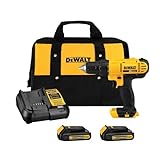
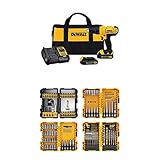
Buy an entry-level cordless drill/driver kit if you will do occasional repairs and want mobility. A 12-volt drill is adequate for pilot holes and most fence screws. An 18- or 20-volt model is the better buy if you will drill through posts, mix small amounts of concrete, or drive many long structural screws. Look for a clutch, two speed ranges, and a battery of at least 1.5 Ah. Avoid ultra-cheap drills with no replacement battery availability.
The essential tools for a fence repair
| Tool | Budget price | What it handles | Where cheap tools fail |
|---|---|---|---|
| Cordless drill/driver | $40–$120 | Pilot holes and screws | Weak batteries, slipping chucks, overheating |
| Circular saw | $40–$100 | Cutting rails, pickets, and posts | Inaccurate base plates and short runtime |
| Handsaw | $15–$30 | A few pickets or trim cuts | Slow cutting in thick, wet lumber |
| Post-hole digger | $35–$70 | Removing loose soil and opening a hole | Thin handles and dull blades |
| Level and tape measure | $15–$40 | Keeping posts and rails straight | Inaccurate level or flimsy tape |
| Clamps | $15–$35 | Holding boards during fastening | Low clamping force and shallow reach |
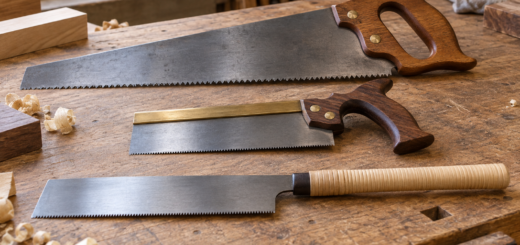
A handsaw is fine when replacing one or two pickets. If you are cutting several boards, trimming a damaged rail, or shortening a post, a budget circular saw for wood saves substantial time. A corded saw is often the best value at roughly $45 to $80 because it avoids battery costs and will not stop halfway through a cut. Choose a saw with a 6-1/2- or 7-1/4-inch blade and buy a clean, sharp blade rated for treated lumber.
Do not economize on fasteners and blades
The fence itself may be cheap lumber, but the repair is exposed to rain, soil, and repeated movement. Use exterior-rated coated or stainless steel screws. For general picket repairs, 1-5/8- to 2-inch screws are usually enough. For joining rails to posts, use 2-1/2- to 3-1/2-inch structural or exterior screws, depending on the thickness of the boards.
Drywall screws are a false economy. They are brittle, rust quickly outdoors, and can snap when the fence shifts. A $10 to $15 box of proper exterior screws costs less than repeating the repair next season. Predrill near board ends, especially in dry cedar or narrow pickets, because splitting creates a weak joint that can open around the screw.
Cheap saw blades also cause problems. A dull blade burns treated wood, wanders off a layout line, and increases kickback risk. For a small repair, one mid-priced carbide blade is usually a better purchase than a multipack of thin blades. Keep a driver bit set with several square-drive or star-drive bits; worn bits round out screw heads and waste more time than they save.
Tools for posts and ground work
If a post is loose but still sound, a shovel, digging bar, and post level may be enough to expose it and pack the soil again. A manual post-hole digger and digging bar is the budget choice for one or two holes. It is slower than a powered auger but easier to control around existing concrete, roots, and buried utility lines.
Do not use a post-hole digger as a substitute for checking the post. If the wood is soft below ground level, the fence may look stable for a few weeks and then lean again. Probe the exposed post with a screwdriver. Replace it if the tool sinks easily into the wood. A new post, gravel for drainage, and correctly rated concrete will do more than an expensive drill.
A magnetic torpedo level is convenient for checking posts and rails, but a basic non-magnetic level works if you hold it securely. Check the level against itself by flipping it end for end; if the bubble changes position, replace it. For longer rails, a 24-inch level is more useful than a tiny pocket level.
Brand value and battery-platform trade-offs
For occasional fence work, store-brand tools can be good value when the warranty is clear and replacement batteries are available locally. Their usual weaknesses are rougher trigger control, less comfortable handles, and shorter battery life. Those drawbacks matter less for replacing three pickets than for building a whole fence.
Mid-priced brands generally offer better batteries, chargers, and parts support. The premium is worthwhile if you already own tools in that battery system. Do not buy a second battery platform just to save $20 on a bare tool. A shared battery can power a drill, circular saw, reciprocating saw, and work light, turning future repairs into cheaper purchases.
For one repair, corded tools often win on value. A corded circular saw can cost less than a bare cordless version and has unlimited runtime. The trade-off is managing an extension cord around wet ground and the fence line. Use a properly rated outdoor cord and a ground-fault circuit interrupter.
When to buy fence repair tools
Prices commonly improve around spring home-improvement sales, summer holiday promotions, and late-November clearance events. Spring has the widest selection of lumber and outdoor tools, while autumn often brings better discounts on cordless kits and seasonal equipment. Compare the kit contents, not just the headline price: a $99 drill kit with two batteries can be a better deal than a $69 tool with one small battery.
Buy replacement lumber after measuring the existing fence, not before. A picket that is nominally 6 inches wide may actually measure about 5-1/2 inches, and treated boards can vary in thickness. Replace damaged wood first, then decide whether additional tools are justified. For a few boards, borrow a saw or use a handsaw. For recurring repairs, invest in a reliable drill, quality exterior fasteners, and a circular saw; those three purchases provide the most practical value.