Best Value Tools for a Seasonal Home Maintenance Checklist
What's inside
As an Amazon Associate I earn from qualifying purchases. This post may contain affiliate links at no extra cost to you.
Buy for the Jobs You Actually Have
Seasonal home maintenance does not require a shop full of professional tools. A sensible kit covers fasteners, measurements, light cutting, clogged drains, water leaks, and basic yard work. The best value usually comes from buying a few durable hand tools first, then adding powered tools only when a recurring job justifies them.
Before buying, list the work your house needs each season. Spring may mean cleaning gutters, tightening deck hardware, and repairing screens. Summer brings irrigation leaks, fence repairs, and pruning. Fall favors leaf cleanup and weather sealing. Winter exposes drafty doors, frozen pipes, and failing batteries. A tool that solves one rare problem is usually a worse purchase than one used ten times a year.
As an Amazon Associate we earn from qualifying purchases at no extra cost to you.



The Core Kit: Spend More on the Tools You Touch Most
A 16- or 25-foot tape measure, utility knife, adjustable wrench, slip-joint pliers, locking pliers, level, claw hammer, screwdrivers, hex keys, and a socket set cover a surprising amount of maintenance. Look for a tape with a blade at least 1 inch wide; narrow blades tend to collapse when measuring across a room. A 3/8-inch-drive socket set is a better general-purpose size than a tiny 1/4-inch set, while a 1/2-inch set is unnecessary for most indoor repairs.
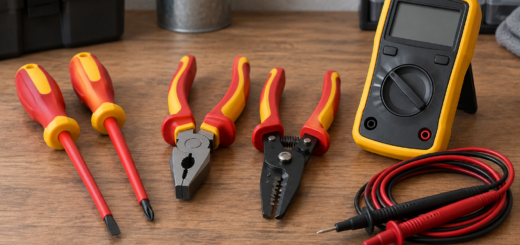
Cheap hand tools are acceptable for occasional, low-load work. A budget screwdriver set is fine for replacing cabinet hardware, but soft tips can strip screws when removing rusted outdoor fasteners. For pliers, a modest upgrade pays off because poor jaw alignment slips and damages fittings. Buy a basic home maintenance hand tool kit only if it includes useful sizes rather than dozens of duplicate bits.
Keep a separate set of Phillips and slotted screwdrivers for dirty outdoor work. Grit in a screwdriver tip can damage indoor hardware. A magnetic bit holder is convenient, but it does not compensate for using the wrong bit size. A stripped screw often costs more time than the money saved by the cheapest driver.
Cordless Tools: Choose a Battery System Carefully
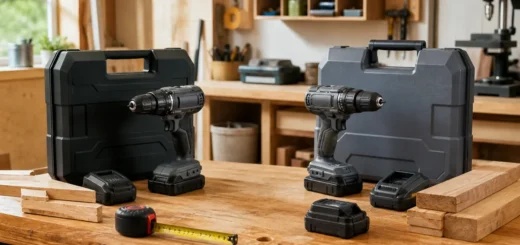
A cordless drill/driver is the most useful powered tool for seasonal maintenance. For shelves, hinges, weather stripping, and small deck repairs, a 12-volt model is lighter and usually sufficient. Choose an 18- or 20-volt platform if you expect to drill masonry, drive long structural screws, or add a circular saw and trimmer later.
| Tool or category | Best value use | Where the cheap option fails | Reasonable buying advice |
|---|---|---|---|
| 12V drill/driver | Cabinets, hardware, pilot holes, light assembly | Long screws, dense lumber, large hole saws | Best for apartments and routine indoor repairs |
| 18/20V drill/driver | Decks, fence repairs, masonry drilling with the right bit | Heavier and often sold in costly battery kits | Buy into this system if you will add tools |
| Oscillating multi-tool | Flush cuts, grout removal, small access openings | Slow on long cuts; blades wear quickly | Buy when a specific repair needs it, not as a first tool |
| Corded shop vacuum | Dry debris, sawdust, clogged drain cleanup | Needs an outlet and hose management | Often cheaper and stronger than a small cordless vacuum |
| Pressure washer | Patios, siding, bins, and outdoor furniture | Can damage paint, mortar, wood, and seals | Rent for one annual cleaning unless use is frequent |
Battery platform cost matters more than the drill’s advertised price. A bare tool may look cheap, but a second battery and charger can erase the savings. Compare a starter kit with battery, charger, and warranty against bare-tool pricing. Brushless motors generally offer better efficiency and durability, but a brushed drill is fine for a few hours of home repairs each year. Avoid buying a low-cost battery system for one tool if replacement batteries are expensive or hard to find.
Spring: Gutters, Leaks, and Exterior Repairs
For gutter cleaning, a stable ladder is more important than a specialized gutter gadget. A 6-foot step ladder handles low work, but second-story gutters call for an extension ladder rated for your weight plus tools. Keep three points of contact and never stand on the top cap or the top two steps. If the ground is uneven or power lines are nearby, hiring the job out is cheaper than treating a ladder injury.
A garden hose with a shutoff nozzle, bucket, stiff brush, and wet-dry shop vacuum handle most spring cleanup. A wet-dry vacuum is also useful for clearing water around a failed washing-machine hose. Do not use an ordinary household vacuum for water; the motor and electrical insulation are not designed for it.
For deck and fence repairs, a drill/driver, bit set, countersink bit, and exterior-rated screws are enough. Stainless screws cost more but make sense near saltwater or where staining matters. Coated construction screws are usually the value choice elsewhere. Do not use indoor drywall screws outdoors; they are brittle and corrosion-prone.
Summer: Yard Work Without Overspending
For a small yard, manual tools remain hard to beat. A bypass pruner handles live branches up to roughly 3/4 inch, while a folding pruning saw covers larger limbs. Forcing pruners onto a 1-inch branch bends the blades and damages the plant. A bow saw is inexpensive for occasional firewood or larger limbs, but an electric saw saves time only if you use it regularly and understand kickback risks.
Buy a cordless string trimmer kit when edging and trimming take more than about 30 minutes per week. Otherwise, a manual edger and rake cost less over several seasons and never need a battery. Battery trimmers are quieter and cleaner than gas models, but runtime drops in thick grass and with older batteries. If you already own a compatible battery platform, the bare tool is often the clear value.
Fall and Winter: Buy Before Demand Peaks
Leaf blowers, snow tools, caulk guns, pipe insulation, and weather-sealing supplies often cost less or have better selection outside the first storm or freeze. A rake is the budget choice for small lawns. For large properties, a blower earns its cost in labor saved, but a low-voltage cordless model may not move wet leaves effectively. Compare battery runtime, not just air-speed claims.
For winter preparation, keep a basin wrench, adjustable wrench, flashlight, and spare utility-knife blades available. An inexpensive infrared thermometer can find cold spots and overheated electrical connections, but it does not prove that a wall is free of hidden moisture. A simple draft test using tissue or a smoke pencil helps locate air leaks; seal them with removable rope caulk or adhesive weather strip before committing to permanent work.
Seasonal discounts are useful, but do not stockpile batteries, sealants, or blades without checking shelf life. The best value tool is the one that fits your existing system, solves a job safely, and will still have affordable replacement parts when the next maintenance season arrives.