Echo vs Greenworks Leaf Blowers: Comparing Gas and Battery Value
What's inside
As an Amazon Associate I earn from qualifying purchases. This post may contain affiliate links at no extra cost to you.
Echo and Greenworks approach leaf blowing from opposite directions. Echo is best known for gas equipment, while Greenworks focuses on cordless battery tools. The useful comparison is not simply brand versus brand: it is the cost and upkeep of gas power versus the upfront price and runtime limits of a battery system.
As an Amazon Associate we earn from qualifying purchases at no extra cost to you.
Quick comparison
| Factor | Echo gas blower | Greenworks battery blower |
|---|---|---|
| Best fit | Large lots, long sessions, wet or heavy debris | Small and medium yards, quick cleanup, noise-sensitive areas |
| Purchase cost | Often lower than a high-output cordless kit, but varies by engine and included accessories | Tool-only can be inexpensive if you own compatible batteries; a complete kit costs more |
| Running cost | Fuel, oil, spark plugs and occasional carburetor work | Electricity and eventual battery replacement |
| Typical limitation | Noise, exhaust, vibration and maintenance | Battery runtime and reduced output as the battery runs down |
| Storage readiness | Requires fresh fuel or proper fuel storage | Ready when the battery is charged and stored correctly |
What the numbers mean in the yard
Blower listings commonly emphasize air speed in miles per hour and airflow in cubic feet per minute. Neither figure alone predicts how quickly a blower will clear your property. Air speed helps loosen leaves and stuck debris; airflow helps move a broader volume of material. Tube shape and nozzle design also affect how the air feels at the ground.
For dry leaves on a driveway, a modest cordless blower may be enough. Wet leaves, gravelly edges and a deep layer of debris call for more sustained force. Gas models generally keep delivering power as long as fuel is available. Battery models can do strong work too, but their practical limit is how long they can run at the setting needed for the job.
Where Echo gas earns its price
Echo is worth considering if you routinely clear a large property, work through damp leaves, or need to move debris for more than a short burst. You can refill a tank in minutes instead of waiting for a battery to charge, and a gas blower is not tied to one battery’s runtime. That makes it useful for long cleanup days or properties without a convenient charging setup.
The purchase price is only part of the bill. Two-stroke equipment needs the correct fuel mixture unless the specific model uses a different engine arrangement. Old or poorly stored fuel can cause hard starting and carburetor trouble. Plan on fuel, seasonal care and hearing protection; gas blowers are loud enough that extended use without protection is a bad trade for a few minutes saved.
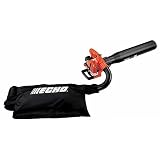
If you want gas power for regular yard work, compare current Echo gas leaf blowers by engine size, weight, included tubes and warranty, not just the headline air-speed number. A larger engine may move stubborn debris better, but it also means more weight, noise and fuel use.
Where Greenworks battery earns its price
Greenworks makes the strongest value case when you already own batteries in its compatible platform. A tool-only blower can be a sensible add-on, while buying a blower, charger and battery together can raise the initial cost considerably. Check that the battery platform and voltage match the exact tool: batteries from different Greenworks lines are not automatically interchangeable.
Battery power is convenient for short sessions. There is no fuel to mix, no exhaust, and no engine to start after months in storage. It is also easier to use near a garage or patio without fumes. The trade-off is runtime: using the highest setting to push wet leaves drains a battery much faster than lightly sweeping dry clippings. A cold battery or an aging pack can also deliver less useful run time.
Before buying, estimate how long you actually blow. If you spend 15 to 25 minutes clearing a small yard, one suitable battery may cover the job. If you need repeated high-output bursts across a large lot, budget for a spare pack and charger time. Browse Greenworks cordless blower kits with the battery capacity clearly listed, and compare kit pricing against the tool-only option if you already have compatible packs.
Compare total cost, not sticker price
A cheaper bare tool is not a bargain if you must buy a battery and charger afterward. Conversely, an expensive battery kit may be good value if it replaces a gas blower and shares batteries with a mower or trimmer. For gas, include fuel and maintenance in the comparison. For battery, consider whether a second pack is needed and that lithium-ion batteries are consumable parts, not lifetime equipment.
As a rough buying check, price the complete setup you will use for three to five years: blower, required battery or fuel, charger if needed, and likely maintenance. Then consider how often you will use it. A homeowner who blows leaves six times each fall may not recover the cost of a premium high-output kit. A property owner clearing debris weekly may value fast refueling or a second battery more than the lowest purchase price.
Which one should you buy?
Choose an Echo gas blower if your cleanup is long, your debris is often wet, or you cannot afford to stop for charging. It is also the practical choice when you already own and maintain gas outdoor equipment. Accept the noise, exhaust and upkeep as part of the deal.
Choose a Greenworks battery blower for a modest yard, a small patio, or quick cleanup after mowing. It is especially compelling if compatible batteries are already on your shelf. If your budget is tight and the job is only dry leaves on pavement, a lower-output battery model is fine; there is no reason to pay for heavy-duty capacity you will rarely use.
Buy in late fall or during spring yard-tool promotions, but compare the kit contents before chasing a sale price. A discount on a tool-only blower does little for a first-time battery buyer, and a seasonal gas deal is no bargain if the model is heavier than you can comfortably use. The best value is the least expensive setup that clears your actual debris without forcing extra trips, long charging waits or repairs you do not want to handle.