Milwaukee vs Makita Oscillating Tools: Which Kit Is the Better Buy?
What's inside
As an Amazon Associate I earn from qualifying purchases. This post may contain affiliate links at no extra cost to you.
Quick verdict
For most buyers choosing a cordless oscillating multi-tool kit, the better value is the one that matches batteries they already own. If you’re starting from scratch, compare the exact kit contents and current price rather than assuming either brand is always cheaper. Milwaukee and Makita both make capable tools; the practical differences are usually battery-platform value, included accessories, and how the tool feels during a cut.
Milwaukee is a sensible pick if you already use its cordless platform or want a kit aimed at demanding jobsite use. Makita is a strong buy if you have Makita batteries and chargers, or find a well-equipped kit at a lower price. For occasional home repairs, either brand may be more tool than you need; a lower-cost corded tool can handle short, infrequent jobs without adding another battery system.
As an Amazon Associate we earn from qualifying purchases at no extra cost to you.



Compare the kits, not just the brands
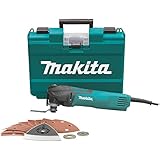
“Kit” can mean the bare tool, a tool with a battery and charger, or a larger bundle with a case and blades. Those are very different purchases. Check the listing’s exact contents, battery capacity, warranty, and accessory set before comparing prices. A bare tool may look inexpensive but cost more once you add a battery and charger.
| What to compare | Milwaukee kit | Makita kit | Why it matters |
|---|---|---|---|
| Battery compatibility | Best value if you already own compatible Milwaukee batteries | Best value if you already own compatible Makita batteries | A battery and charger can erase a tool-only price advantage |
| Included blades | Check the number and type, not just the count | Check the number and type, not just the count | A wood blade won’t replace a suitable blade for grout or metal |
| Use pattern | Consider ergonomics and control for repeated cuts | Consider ergonomics and control for repeated cuts | Vibration, noise, and grip matter more during long sessions |
| Street price | Compare the same tool-and-battery bundle | Compare the same tool-and-battery bundle | Promotions and bundle contents change over time |
Do not treat a large accessory count as a guarantee of value. A kit with several low-quality blades can be less useful than one with a few blades suited to your work. For a first purchase, look for a plunge-cut blade for wood, a narrow blade for flush or detail cuts, and a scraper attachment if you remove caulk, adhesive, or flooring residue.
Cutting performance and control
Both brands can make the short plunge cuts and detail cuts oscillating tools are designed for: trimming door jambs, cutting drywall around an outlet, removing grout, or slicing a nail between two pieces of wood. They are not substitutes for a circular saw on long cuts or a reciprocating saw on demolition. Their advantage is access and control, not speed over distance.
On a test cut, focus on how the tool behaves under light pressure. Pushing hard can slow the blade, overheat it, and make the tool harder to control. Let the teeth do the work, keep the blade moving, and use a fresh blade for dense material. For a 2-inch plunge cut in pine, a sharp wood blade should make steady progress; forcing a worn blade can take longer and scorch the cut. In metal, cutting a single nail is realistic, but repeated cuts through thick steel will eat blades and drain a small battery quickly.
Vibration and noise are unavoidable with this tool type. If you’ll cut for more than a few minutes at a time, comfort and trigger response are worth checking in person. Wear eye and hearing protection, secure the workpiece, and keep hands clear of the blade path. A blade can get hot enough to burn skin shortly after a cut.
Battery cost and running cost
Battery compatibility is often the clearest value difference. If you already have two batteries and a charger for one platform, buying the matching bare tool is usually cheaper than switching brands for a modest tool discount. A spare battery is useful for long trim or flooring jobs, but occasional users may be better off with one battery and a corded tool rather than paying for a second cordless system.
Blades are a recurring expense. Abrasive grout blades and bi-metal blades wear differently, and cheap mixed sets may dull quickly or cut poorly. Budget for replacement blades based on the material you’ll actually cut. Using a wood blade to cut screws or nails can ruin it fast; using a dull blade encourages excess pressure and can damage the workpiece.
For a cordless kit, compare the complete cost: tool, battery, charger, case if needed, and a few appropriate replacement blades. If the Milwaukee bundle costs more but includes a battery you’ll use on other tools, that battery has value. If the Makita kit is cheaper but includes a battery platform you don’t use, the savings may be misleading.
Who should buy which?
Choose Milwaukee when you already own compatible Milwaukee batteries, need a tool for regular repair or remodeling work, and the kit’s price is competitive with an equivalent Makita bundle. For someone adding to that platform, a Milwaukee cordless oscillating-tool kit is the straightforward choice. Pay attention to whether the offer is tool-only or includes a battery and charger.
Choose Makita when its batteries are already in your shop, the grip and controls suit you better, or a comparable kit is on sale. A Makita cordless oscillating-tool kit can be the better buy if it comes with the accessories you need at a lower complete price. Don’t pay extra for a bundle full of blades you won’t use.
If this is for a single bathroom repair or one flooring project, the cheaper option is fine as long as it has a suitable blade and enough power for the material. A corded oscillating tool is also worth considering if you work near an outlet and don’t need cordless convenience. The trade-off is a cord to manage, but you avoid battery cost and runtime limits.
When to buy
Tool prices move with seasonal promotions, holiday sales, and brand bundle offers. Watch for discounts on complete kits rather than judging a sale by the advertised percentage. A lower headline price on a bare tool is not a bargain if you still need to buy a battery and charger. Compare the same configuration at two or three retailers, and check the return policy before buying a kit online.
Buy when the tool fits your platform and the kit includes what you need—not simply because one brand is on sale. For buyers who already own batteries, that usually settles the Milwaukee-versus-Makita decision. For everyone else, choose the best-priced complete kit with a sensible blade selection and controls you’re comfortable using.