Makita vs Bosch Rotary Tools: Comparing Kit Prices and Accessory Compatibility
What's inside
As an Amazon Associate I earn from qualifying purchases. This post may contain affiliate links at no extra cost to you.
What you’re comparing
Makita and Bosch both sell compact rotary tools for sanding, cutting, grinding, polishing and detail work. The main buying difference is often the kit, not a clear winner in tool performance: included accessories, case, speed control and current sale price can change the value substantially.
Check the exact kit contents before comparing prices. Retailers may bundle the same tool with different accessory counts, and those counts can be misleading: a large assortment of soft sanding drums or polishing points may not be useful if you mainly cut screws or trim plastic. Prices also shift with promotions, so compare the delivered price of the kit you can actually buy rather than a brand’s usual list price.
As an Amazon Associate we earn from qualifying purchases at no extra cost to you.


Compare the complete kit, not the headline price
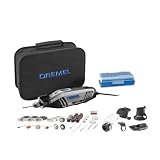
For occasional household jobs, an entry-level kit with a variable-speed dial, a case and a practical starter selection is usually enough. If one kit costs $20 more but includes accessories you would otherwise buy, it may be better value. If the extras are mostly duplicates, the lower-priced kit can be the smarter buy.
| Buying factor | Makita kit | Bosch kit | What to check |
|---|---|---|---|
| Up-front price | Varies by retailer and bundle | Varies by retailer and bundle | Compare the exact kit and shipping cost |
| Included accessories | Depends on the package | Depends on the package | Count useful cutting, grinding and sanding pieces |
| Speed control | Check the specific tool | Check the specific tool | Variable speed helps with plastics and polishing |
| Accessory fit | Usually accepts common small rotary-tool shanks | Usually accepts common small rotary-tool shanks | Confirm shank diameter and collet range |
| Best value when | The kit matches your tasks and is on sale | The kit matches your tasks and is on sale | Buy for the accessories you will use, not the largest count |
For current bundles, compare Makita rotary tool kits with Bosch rotary tool kits. Make sure the listing identifies the tool and accessories clearly; marketplace kit contents can differ even when product photos look similar.
Accessory compatibility: check the shank
Many rotary-tool accessories use a small round shank held by a collet. That makes cross-brand use possible, but “fits a rotary tool” is not enough to guarantee a match. Check the accessory’s shank diameter and the collet sizes listed for the tool. A common small shank size is 1/8 inch, but some accessories use smaller shanks, and some tools or kits may include only particular collets.
Do not force an oversized shank into a collet or run an undersized one loose. A poorly seated accessory can wobble, slip or break, especially at high speed. Unplug or switch off the tool before changing bits, tighten the collet securely, and check that the accessory runs true before bringing it into contact with the work.
Some accessories use a dedicated holder or attachment rather than a plain shank. Confirm the fitting system before buying a cutting guide, flex-shaft attachment or specialty chuck. Compatibility with standard bits does not mean every brand’s attachments will fit every tool.
Match speed and accessories to the job
Variable speed matters if your work includes more than grinding metal. A high speed can melt plastic, burn wood, or ruin a delicate polishing job; too little speed or pressure can make a cutting wheel bind. Use the accessory maker’s speed guidance, start low on scrap, and let the bit do the work. Pressing hard increases heat and the chance of a broken wheel or damaged surface.
For cutting a small bolt, a reinforced cutoff wheel is generally more suitable than a sanding drum. Cut with light pressure and keep your hands out of the wheel’s path: thin wheels can shatter if twisted or pinched. For shaping wood or plastic, use a sanding drum or suitable burr and make several shallow passes instead of trying to remove material in one go. Wear eye protection; a rotary tool throws fine debris and broken abrasive fragments.
If you expect frequent cutting or extended grinding, pay attention to comfort, heat and how easily you can control the tool, not just the accessory count. A rotary tool is for small, controlled work. It is a poor substitute for an angle grinder when the job involves long cuts, heavy stock or sustained material removal.
Which one is the better buy?
Choose whichever Makita or Bosch kit is cheaper once you have confirmed it includes the controls and accessories you need. There is little value in paying extra for a brand name if a basic kit will handle occasional deburring, small craft work or a few careful cuts each year. In that case, spend the difference on suitable replacement wheels, sanding bands and eye protection.
If both kits are close in price, favor the one with a useful case, a compatible set of collets and a clearer accessory selection. A case protects small bits from getting lost, while extra collets can save a second purchase if you use different shank sizes. For a buyer who already owns accessories, check fit first and consider a tool-only option if one is available; duplicate starter bits are not a bargain.
When to buy and what to verify
Rotary-tool kits are worth checking during major retail sales and seasonal promotions, but compare the sale price against the same kit’s recent price when possible. A discount on a different bundle is not a clean comparison. Before ordering, verify the included collets, speed control, case, accessory list and return terms. For replacement supplies, compare rotary-tool accessories with 1/8-inch shanks, then confirm the shank size against your tool rather than relying on the search result title.
Buy the kit that suits the work you actually do. For light, occasional jobs, either brand can be a sensible purchase at the right price. For regular use, a slightly more expensive kit is justified only if its controls, fit and included accessories save you from buying replacements or struggling with the job.