Best Cordless Drill Under $150
Our Top Picks
 Power Drill Cordless: DEKOPRO Cordless Drill 20V Electric20v drill2 x 2 x 2 inches2.5 poundsCheck on Amazon
 COMOWARE 20V Cordless Drill & Bits Set w/Charger10L x 7W x 6H inches11 x 3 x 9 inches5.2 poundsCheck on Amazon
 Makita XT297T 18V LXT® Lithium-Ion Brushless Cordless 2-Pc.11.85 x 17.28 x 6.5 inches14.9 poundsCheck on Amazon


What's inside
As an Amazon Associate I earn from qualifying purchases. This post may contain affiliate links at no extra cost to you.
The trouble with shopping for the best cordless drill under 150 is that the price tag tells you almost nothing. Two kits can sit within a few dollars of each other and one arrives with a brushed motor and a pair of tired 1.5Ah battery packs, while the other brings a brushless motor and a 4.0Ah pack that will actually finish a deck railing. The sticker is identical. The value is not.
This guide is about reading the listing, not admiring it. Under $150 you are shopping in the most heavily manipulated segment in the power tool aisle, because it is the price point where brands fight for first-time buyers. That means bundles designed to look generous, strikethrough prices that were never real, and battery specs buried three lines into a bullet list. Here is how to sort the genuine deals from the noise.
As an Amazon Associate we earn from qualifying purchases at no extra cost to you.






| What you are buying | Typical price band | What it is actually good for |
|---|---|---|
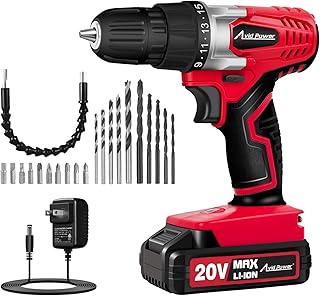
| Brushed drill/driver kit, 1.5Ah packs | Bottom of the range, often under $80 | Flat-pack furniture, hanging shelves, light home repair |
| Brushed hammer drill combo kit | Low-to-mid $100s | Occasional masonry, mixed household work, second tool for the truck |
| Brushless drill/driver, single 2.0Ah pack | Mid $100s | Frequent use, tighter spaces, longer runtime per charge |
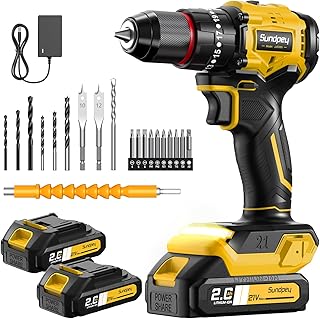
| Brushless kit with 4.0Ah or dual packs | Top of the range, near the $150 ceiling | Deck building, cabinet installs, all-day use |
| Bare tool only, no battery | Well under $100 | Anyone already invested in a battery platform |
The battery downgrade trick, and why it costs you more
This is the single most common way a listing under $150 gets to look like a bargain. The brand keeps the tool the same, keeps the photo the same, and quietly swaps the included batteries for smaller compact packs. A kit that shipped with two mid-capacity packs last season shows up with two of the smallest packs in the lineup, and the price drops by a chunk that looks like a real discount.
It is not. Replacement batteries are the most expensive consumable in any cordless system, and buying a single larger pack later can eat most of what you saved on the kit. Do the arithmetic before you check out. If the stripped kit saves you a modest percentage but a decent replacement pack costs a meaningful fraction of the kit price on its own, the fuller bundle was the better deal all along.
Two things to check on every listing. First, find the amp-hour rating in the specifications, not the title, because titles get recycled between kit versions. Second, check whether the charger is the standard rapid charger or the slow trickle unit brands include to hit a price. A slow charger with one small battery means real downtime, and downtime is a cost even if it never appears on the receipt.
Brushless cordless drill kits with a larger battery
If you only buy one thing in this category, make it a brushless drill bundled with at least one mid-to-large capacity pack. Brushless motors run cooler, pull less current for the same work, and stretch a charge noticeably further, which matters more than any headline torque number. Sort by review count rather than rating, then filter to kits that clearly list battery capacity in the specs. Skip anything that hides the amp-hour figure.
How to spot an inflated was-price
Strikethrough pricing in this segment is frequently theatrical. A tool sits at an aspirational list price for a few weeks a year, then spends the rest of the year at what is effectively its real price, and every listing calls that gap a discount. The percentage looks dramatic. Your savings are close to zero.
The fix is simple: track the price rather than trust the badge. Price history tools built for Amazon will show you the trailing low and how often the tool has hit it. If today’s price is within a few dollars of the typical trailing price, you are not looking at a deal, you are looking at Tuesday. A genuine discount in this category tends to be a double-digit percentage below the trailing average and usually clusters around known retail events.
Also watch for the bundle shuffle, where a brand creates a new listing with a slightly different combination of accessories so it has no price history at all. A fresh listing with a big claimed discount and no track record deserves suspicion, not urgency.
What actually matters in a drill under $150
Once you strip out the marketing, the specs that change your experience are a short list.
Brushless versus brushed. Brushless is worth paying for if you use the tool more than a few times a month. It runs longer per charge and holds up better under load. For genuinely occasional use, a well-reviewed brushed drill is not an embarrassment and frees up budget for bits.
Chuck quality. A metal single-sleeve ratcheting chuck holds bits better than a cheap plastic one. Bit slip under load is the complaint that turns up over and over in reviews of budget drills, and it is almost always a chuck problem.
Weight and head length. Ceiling work and cabinet interiors punish long, heavy drills. Compact models trade a little peak power for access, and access is usually what you actually need.
Clutch settings and a real low gear. Two speeds with a functional clutch matter more than a big advertised torque figure. Torque numbers between brands are measured differently and are not comparable in any meaningful way.
Hammer function. Only worth the premium if you drill masonry with some regularity. Otherwise it is weight and cost you will not use.
- ✔ Brushless motors deliver longer runtime and better heat tolerance for a modest premium
- ✔ Established platforms such as DeWalt XR, Milwaukee FUEL and Makita LXT give you a battery ecosystem to grow into
- ✔ Under $150 you can get a genuinely capable drill if you shop the battery spec rather than the badge
- ✔ Bare-tool pricing is excellent value once you already own packs
- ✘ Compact 1.5Ah packs included in cheap kits force early battery upgrades
- ✘ Advertised torque figures are not comparable across brands
- ✘ Slow chargers in budget bundles create real downtime
- ✘ Off-brand platforms lock you into batteries that may not be supported in a few years
When to buy and when to wait
Cordless drill pricing is seasonal and predictable enough to plan around. The deepest discounts in this category cluster around the big retail windows: the late-spring holiday weekends, the mid-summer sales event, the stretch from late November into December, and the Father’s Day promotional period. Outside those windows, prices drift back toward the trailing average.
Wait if you already own a working drill and are shopping for an upgrade, because the difference between an average week and a strong promotional week in this segment is often a meaningful double-digit percentage. Wait too if the only discount you can find is on a stripped kit, since the battery math rarely works out.
Buy now if you have no drill and a job in front of you, or if you find a brushless kit with a mid-to-large capacity pack sitting well below its trailing average. Buy immediately if you already own batteries on a major platform and a bare tool comes up cheap, because that is the best dollar-per-capability trade in the entire category and it does not require you to wait for anything.
Bare tool cordless drills for existing battery platforms
Already own packs from a mainstream platform? Buy the bare tool and pocket the difference. You are paying for the motor and gearbox instead of subsidizing batteries you do not need. Confirm the voltage and platform match, and read the listing carefully, because bare-tool and kit listings sit side by side and are easy to confuse at a glance.
Where the money leaks after checkout
The drill is rarely the whole spend. Budget kits frequently include a token bit set that is soft enough to round out on the third screw, so plan on a decent impact-rated driver bit set and a small set of twist bits. That is a modest addition to your total and it changes how the tool feels more than a spec upgrade would.
The other leak is the second battery. If you bought a single-pack kit, you will want a second one, and the standalone price for genuine packs is high enough that it belongs in your original budget rather than as a surprise later. Third-party packs are cheaper and inconsistent; if you go that route, treat it as a calculated risk, not a saving.
Cordless drill and impact driver combo kits
Combo kits often deliver the lowest cost per tool in this range, because the second tool is bundled at a steep internal discount. The catch is that the batteries in combo kits are the first thing brands shrink to hit a price point. Verify the pack capacity before you treat the second tool as free.
FAQ: best cordless drill under 150
Is 12V enough, or do I need 18V or 20V? For furniture assembly, light repairs and tight cabinet work, a good 12V drill is lighter, shorter and perfectly adequate. Step up to the 18V or 20V class if you drill larger holes, work in framing lumber, or want one platform that also runs a circular saw and other bigger tools later.
Are off-brand drills worth the savings? The tool itself is often fine for light use, and the reviews reflect that. The risk is the battery platform. If the brand exits the market or changes its pack design, replacement batteries get expensive or disappear, and the drill becomes disposable. For occasional use that may be an acceptable trade; for anything you rely on, stay with a platform that will still exist in five years.
How much discount counts as a real deal? Check the trailing price rather than the strikethrough. A discount worth acting on in this category is a solid double-digit percentage below what the tool has typically sold for over recent months, on a listing with actual price history. Anything less is usually normal fluctuation dressed up as an event.
Shop the battery capacity, verify the price against its own history, and let the seasonal windows do the discounting for you. That approach gets you more drill for the same money than any amount of comparing torque figures.
Check prices on Amazon →