Best Value Tools for Building a Basic Compost Sifter
What's inside
As an Amazon Associate I earn from qualifying purchases. This post may contain affiliate links at no extra cost to you.
What you need for a basic compost sifter
A simple sifter is a framed screen that lets finished compost fall through while holding back sticks, clumps and unfinished material. For a backyard pile, a screen around 1/2 inch is a practical all-purpose choice: it catches bulky debris without taking as long to sift as a finer mesh. Use 1/4-inch mesh if you want a finer finish for potting mixes, but expect it to clog more readily and require more shaking.
The basic build needs lumber for a frame, galvanized hardware cloth, fasteners, and a way to hold or move the screen. You can spend little if you already own a drill and saw. If you don’t, buying a tool just for one small sifter may cost more than buying or borrowing a ready-made frame. The best value is usually in sturdy mesh and sound joints, not premium power tools.
As an Amazon Associate we earn from qualifying purchases at no extra cost to you.


Spend on the parts that take the strain
Hardware cloth is often the first place a bargain build fails. Thin mesh can sag under damp compost, pull loose at the edges, or deform when you press material through it. For a hand-shaken frame, 19-gauge galvanized hardware cloth is a useful baseline; heavier wire can be worthwhile for frequent use or heavy, wet compost. Check the actual opening size before buying: “1/2 inch” mesh may refer to the spacing between wires, and the finished opening can be slightly smaller.
For a basic frame, 1-by-2-inch or 1-by-3-inch lumber is usually sufficient. A frame about 18 by 24 inches is manageable for one person and fits over many wheelbarrows. Larger screens process more compost per pass, but a loaded screen gets awkward quickly. Use exterior-rated screws, and staple the cloth around the perimeter with sturdy staples. Fold or cap exposed wire edges; sharp cut ends can catch gloves and skin.
For most first builds, a roll of galvanized 1/2-inch hardware cloth is a better purchase than a specialized sifter kit. Measure the frame first, compare the roll’s usable width with your needs, and check shipping costs: a low listed price can stop being a bargain when delivery is added.
Which tools are worth buying?
| Tool or approach | Typical role | Value trade-off |
|---|---|---|
| Hand saw | Cut a few frame pieces | Lowest cost if you already have one; slower, but adequate for a small build. |
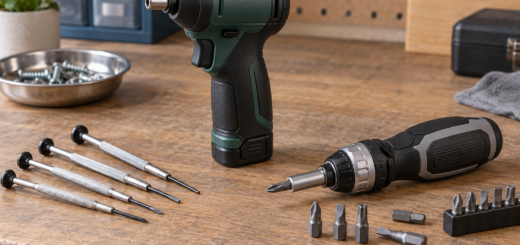
| Cordless drill/driver | Join frame corners with screws | The most useful power tool for this project; also handy for many household jobs. |
| Staple gun | Fasten mesh to the frame | A basic manual gun is enough for one sifter. A heavy-duty model helps if you build several or use thicker mesh. |
| Circular saw | Cut lumber quickly and squarely | Hard to justify for one frame unless you already own it or need it for other work. |
| Pre-cut lumber or store cutting | Avoid buying a saw | Often the cheapest route for a single build; confirm cuts are accurate before leaving the store. |
If you need to buy a driver, an entry-level cordless drill/driver is generally enough. You are driving a few screws, not drilling large holes all day. A cordless drill/driver kit may include a battery and charger that make the price worthwhile, but compare kit contents and battery platform before choosing. A bare tool is good value only if you already own compatible batteries.
Don’t buy a circular saw solely to make four straight cuts unless you expect other projects. Many lumberyards will cut stock to length, sometimes for a small fee. That service can be less expensive than a saw blade, safety gear and the time needed to set up accurately. A hand saw is also fine; small differences in cut length can be corrected during assembly.
A realistic low-cost build
For an 18-by-24-inch frame, plan on four pieces of lumber, one mesh panel roughly 20 by 26 inches, eight to twelve exterior screws, and enough staples to secure the cloth every few inches. Prices vary by region and material, but a basic build commonly lands around $20–$45 if you already have the hand tools. Buying a drill, saw and staple gun from scratch can push the total well beyond the cost of the sifter itself.
Assemble the frame flat and check it for square before attaching the mesh. Pull the cloth taut without stretching it so hard that the frame bows. Place staples close to the outer edge, then add a narrow wood strip over the mesh edge if you want a cleaner, safer finish. That extra strip costs a little more but reduces the chance of staples loosening and wire ends becoming exposed.
Use screws rather than relying on nails for the frame corners. A sifter gets twisted and bumped, and loose joints let the mesh sag. Pre-drilling near the ends of narrow lumber helps prevent splitting. If the screen will rest on a wheelbarrow, add a crosspiece or side rails so it cannot slide off when you shake it.
Where cheap is fine—and where it isn’t
For occasional use with mature, fairly dry compost, a light frame and manual staple gun are fine. You do not need a branded specialty tool or heavy-duty cordless equipment. Reusing scrap lumber can lower the cost further, provided it is straight and not rotten, and you can fasten the mesh securely.
Cheaping out on very thin mesh is less attractive. Wet compost weighs more, and repeated pressing can stretch weak wire or pull it away from the frame. If you sift several wheelbarrows at a time, use heavier cloth and add a center support. If your pile contains stones or thick roots, a 1/2-inch screen will clog less than a finer screen; hand-remove oversize pieces rather than forcing them through.
Also consider whether you need a sifter at all. A garden fork can separate large scraps from a small batch, and a borrowed screen costs nothing. A bought frame makes more sense when you sift regularly, want a consistent texture, or need to process enough compost to justify the setup.
When to buy materials
Hardware cloth and lumber are available year-round, but spring gardening demand can make popular mesh sizes harder to find locally. If you want to sift before planting, shop in late winter or early spring and compare local pickup with online delivery. In late summer and fall, stores may discount garden supplies, although selection can be patchy. Do not stock up on mesh based only on a sale: store it dry, and keep cut edges protected until you build.
Price the complete job, not one item. Include delivery, screws, staples, and any battery or charger you would need. For a single basic compost sifter, the strongest value is usually a modest frame, properly rated mesh, and tools you already own or can borrow.