Best Value Cordless Tool System
Key takeaways
- A numbers-first look at the best value cordless tool system: which platform is cheapest to live with, and how to spot battery downgrades and fake was-prices.
What's inside
As an Amazon Associate I earn from qualifying purchases. This post may contain affiliate links at no extra cost to you.
Ask ten people which brand is the best value cordless tool system and you get ten answers, each one built around whatever they happened to buy first. That is sunk cost, not analysis. The real answer comes down to two numbers most buyers never look up: what a bare tool costs on the platform you are joining, and what a replacement battery costs three years from now. Torque claims and brushless marketing are noise next to those two figures.
The kit price you see over a holiday weekend is not the cost of the system, it is the cost of admission. Most people add four to eight more tools to the same battery mount over the next decade, and the platform that looked cheapest at checkout often charges the most per tool after that. So this guide runs on price bands, discount depth, and the two tricks that make a mediocre deal look like a steal.
As an Amazon Associate we earn from qualifying purchases at no extra cost to you. Product prices and availability are accurate as of the date shown and are subject to change.
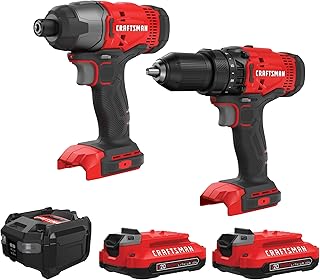



| Platform | Typical 2-tool kit band | Bare tool situation | Watch out for |
|---|---|---|---|
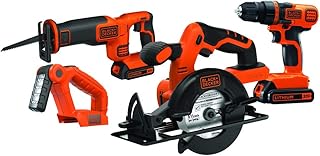
| Ryobi ONE+ | Under $200 | Very wide, mostly cheap | Older brushed tools padding kits |
| Craftsman V20 | Under $200 | Moderate | Thin high-capacity battery lineup |
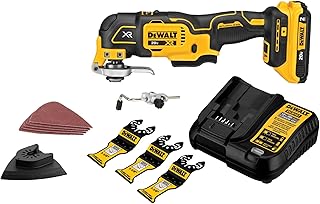
| DeWalt 20V MAX and XR | $200 to $400 | Wide | Compact packs swapped into kits |
| Milwaukee M18 and FUEL | $250 to $450 | Wide but priced firm | Kit tiers that look identical |
| Makita 18V LXT | $250 to $450 | Wide | Kits bundled with slow chargers |
Those bands are deliberately wide. They describe where these kits usually land, not what anything costs today. Judge every offer against recent street price, never against a number printed with a line through it.
What Actually Makes the Best Value Cordless Tool System
Three cost centers decide this, and only one of them appears in a combo kit ad.
Entry cost. The starter kit, usually a drill and impact driver with two batteries and a charger. Everybody compares this number, and it matters least, because you pay it once.
Bare tool cost. What the eleventh tool costs once you already own batteries. Across ten purchases, a $40 per tool gap becomes $400, which dwarfs anything you saved on the original kit.
Battery cost. Over a ten year ownership window, packs commonly account for a quarter to a third of total platform spend. High capacity and high output packs typically cost two to three times what a compact pack costs on the same platform, so a system whose only affordable battery is a small one bills you for that gap repeatedly.
Budget platform starter kit: drill and impact driver
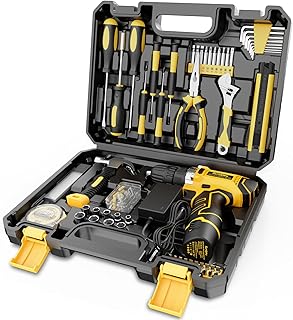
If your work is furniture, fencing and household repairs, a wide budget platform is the rational choice. The tools are slower, but bare tool prices are low enough that you can own twice as many. Confirm the listing includes two batteries and check the amp hour rating in the bullets, not the photo.
Two Pricing Tricks That Kill Combo Kit Deals
The battery downgrade. A kit that used to ship with two mid capacity packs quietly returns with two compact packs, or with one pack instead of two, while the photo and title stay close enough to fool a skimmer. The badge still says 30 percent off. Replacing that lost capacity at retail battery prices usually costs more than the discount saved, which makes it a price increase wearing a sale sticker. Count the batteries and read the amp hours before you look at anything else.
The inflated was-price. Percent off badges are calculated from a list price, and the seller sets the list price. If a number only ever appears with a strikethrough and never as an actual selling price, it is decoration. A kit sitting at its usual price with a 40 percent badge attached is not a deal. A kit 20 percent under its own recent average is.
Two smaller variants: charger downgrades, where a rapid charger becomes a standard one and every pack now takes an extra hour, and generation swaps, where a current brushless tool is paired with an older brushed one and the naming differs by a single letter.
- ✔ Combo kits are still the cheapest way to acquire batteries and a charger
- ✔ Two-tool and five-tool kits see the deepest seasonal cuts
- ✔ Buying kits keeps you on one battery mount instead of three
- ✘ Kit tool versions are sometimes a generation behind the bare tools
- ✘ Compact packs in kits choke high-draw tools like circular saws
- ✘ Bundled bags and cases inflate perceived value without adding capability
Where Each Platform Earns Its Money
Budget platforms
Ryobi ONE+ and Craftsman V20 win on tools per dollar. The first has an enormous catalog, much of it cheap enough that owning a niche tool becomes a rounding error. The tradeoff is duty cycle: they run warm on sustained cutting and the high capacity battery choices are thin.
Mid and pro platforms
DeWalt 20V MAX with XR, Milwaukee M18 with FUEL, and Makita 18V LXT all do more work per charge and hold resale value, which matters more than buyers admit. Budget roughly a third to a half more per bare tool. Milwaukee has the deepest specialty catalog and the firmest pricing, Makita the faster chargers, and DeWalt the most aggressive retail discounting, which is why it frequently ends up the value winner without being the cheapest platform on paper.
The expensive mistake
Running two full platforms because each had a good sale. Every split doubles your chargers and strands packs. Pick one main platform, then allow yourself a single budget platform for occasional oddities like an inflator or a glue gun.
Mid-tier brushless combo kit
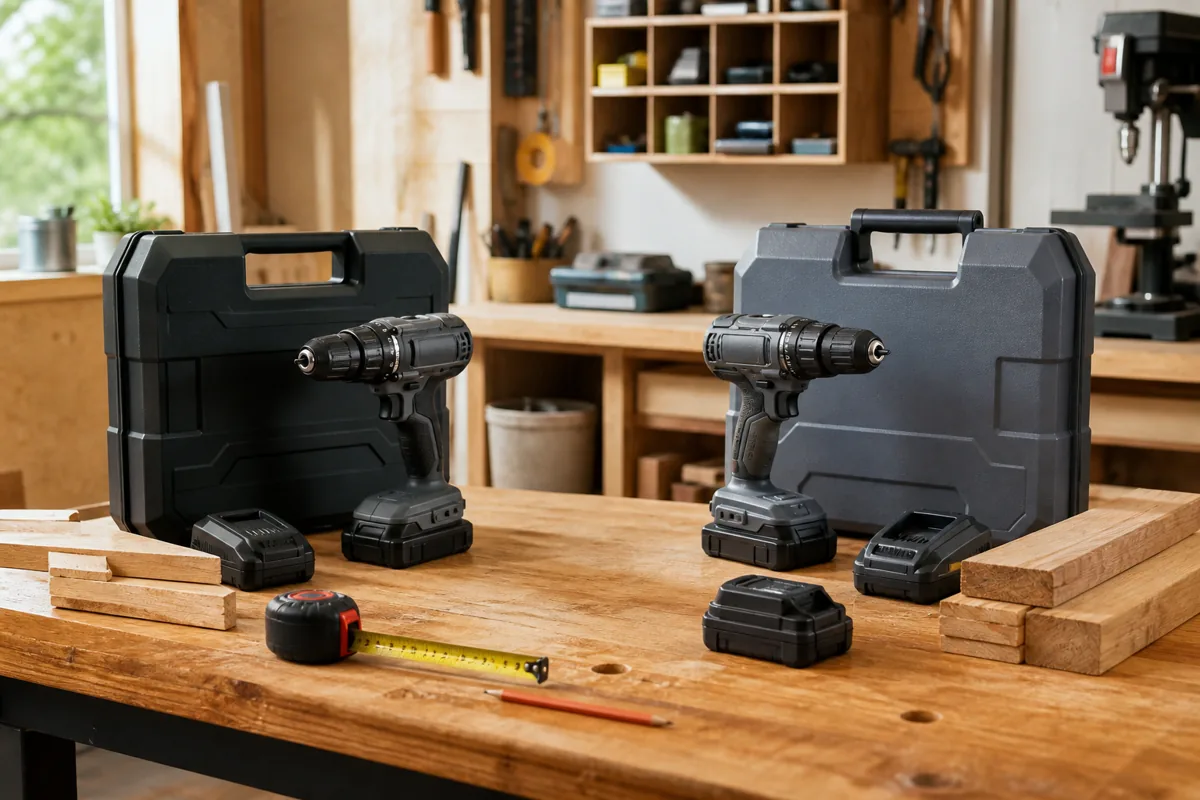
The sweet spot for anyone who works weekends and sometimes gets paid for it. Brushless drills and drivers at this tier survive repeated use, and the platform discounts hard during major sale events. Prefer a kit with one higher capacity pack over two compact ones.
When to Buy and When to Wait
Cordless pricing is seasonal and predictable. Spring holiday weekends, the mid-summer sales event, early fall, and the stretch from Black Friday into late December carry the deepest cuts. Clearance also runs whenever a line gets refreshed, which is usually harmless because the battery mount rarely changes.
10 to 15 percent off: routine noise. Skip it unless you need the tool this weekend.
20 to 30 percent off: normal event pricing and a fair buy on a tool you already decided you want.
35 percent or more: either a loss leader or last-generation clearance. Work out which, verify the battery contents, then move, because these do not sit.
Wait when the cut is under 20 percent, when the kit carries compact packs only, or when a refresh has been announced but not shipped. Buy immediately when a dead tool is blocking paid work, since downtime costs more than 20 percent.
Bare tool and battery expansion
Once you own a charger and two healthy packs, bare tools are usually the cheaper path. Compare the bare price against the kit price minus what that included battery would cost separately. The kit only wins when you genuinely need another pack.
Frequently Asked Questions
Is a five-tool combo kit better value than buying two tools? Per tool, almost always. In absolute dollars, only if you use the extras. Big kits pad the count with a work light and an entry-level saw, so price the kit against just the tools you would have bought anyway.
Do third-party batteries make a cheap platform cheaper? They lower the sticker and raise the risk. Aftermarket packs often skip the cell balancing and thermal protection of first-party units, they can void warranties, and capacity claims tend to be optimistic. Where genuine compact packs are already cheap, it is not worth it.
How do I tell a real discount from an inflated was-price? Look at what that exact item has actually sold for over recent months rather than the strikethrough figure. If today’s price sits at or near its normal level, the badge is marketing. A real deal prices clearly below where the item has been trading.
The platform that wins is the one whose bare tools and batteries stay cheap after the honeymoon. Pick for duty cycle, verify battery contents, let the calendar set the price, then stop shopping.
Check prices on Amazon →