Milwaukee vs Bosch Cordless Drills: Comparing Price, Power, and Warranty Coverage
What's inside
As an Amazon Associate I earn from qualifying purchases. This post may contain affiliate links at no extra cost to you.
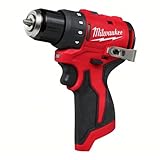
Milwaukee and Bosch both make capable cordless drills, but they serve different buyers. Milwaukee usually costs more and focuses on heavy trade use, while Bosch often offers a lower entry price and a more compact, practical range for homeowners and light-duty work. The right choice depends less on peak torque than on how often you will use the drill, which batteries you already own, and what a failure would cost you.
As an Amazon Associate we earn from qualifying purchases at no extra cost to you.


Quick comparison
| Factor | Milwaukee | Bosch |
|---|---|---|
| Typical drill price | About $100–$250 for a drill or kit, depending on voltage and brushless features | About $80–$220 for a drill or kit |
| Main cordless platforms | M12 compact and M18 full-size systems | 12V and 18V systems, including compact and brushless tools |
| Best fit | Frequent construction, remodeling, and service work | Home repair, installation, furniture, and lighter trade use |
| Warranty pattern | Many power tools carry a five-year limited warranty; batteries commonly have shorter coverage | Power tools commonly carry a one-year limited warranty; battery coverage varies by product |
| System cost | Higher tool and battery prices, with a broad professional ecosystem | Often lower initial cost, but fewer choices in some specialty categories |
Prices change with promotions, kit contents, and model generation. A bare tool may look inexpensive until you add a charger and battery. For a first purchase, compare complete kits rather than tool-only prices.
Power, speed, and real-world performance
Milwaukee generally has the edge when a drill must repeatedly drive long screws, bore large holes, or survive daily use. Its M18 brushless drills are particularly suitable for framing, deck work, and renovation. Many have two-speed gearboxes, mechanical clutches, and enough torque to twist a smaller bit or stall if the user ignores the clutch setting. That power is useful, but it also makes kickback more abrupt when a hole saw binds.
Bosch drills are not weak tools. A current 18V brushless model can handle cabinet installation, general carpentry, pilot holes, and ordinary construction fasteners without trouble. For occasional users, the practical difference is often smaller than the price difference. A Bosch drill may take a little longer on a large hole, but that rarely matters when drilling a dozen holes rather than several hundred.
For overhead work and tight spaces, compact size matters more than maximum torque. A 12V drill from either brand is easier to control inside cabinets and less tiring during electrical or HVAC installation. It is the better category for small screws, hinges, shelves, and furniture. Choose an 18V or M18 drill if you regularly use spade bits, hole saws, or long structural screws.
Do not judge performance by advertised torque alone. Manufacturers measure torque under different conditions, and maximum figures do not tell you how smoothly the clutch works or how well the drill holds a low speed. A metal chuck, brushless motor, and a good clutch are more useful buying indicators for most jobs than a large torque number.
Price and value
Bosch is often the better bargain when you need one drill and do not expect to build a large battery collection. A basic 12V or 18V kit on sale can cover routine household work for substantially less than a comparable professional Milwaukee kit. If the drill will be used a few times per month, spending extra for Milwaukee may not produce a noticeable benefit.
Milwaukee becomes easier to justify when you already own M12 or M18 batteries, need a drill for work, or want access to a large range of compatible tools. The battery platform can matter more than the drill itself. Once you own two batteries and a charger, adding a bare tool is usually cheaper than starting over with another brand.
For a first-time buyer, compare the complete cost: drill, charger, two batteries, replacement battery prices, and the tools you may want next. A discounted kit with one small battery can be a false bargain if the battery runs out during a job and the replacement costs nearly as much as the kit.
If you are shopping for an everyday homeowner drill, compare Bosch cordless drill kits during holiday and spring tool sales. For heavier use, check current prices on Milwaukee cordless drill kits, especially kits that include two batteries.
Warranty coverage and common failure points
Milwaukee’s main advantage is warranty length. Many Milwaukee cordless power tools include a five-year limited warranty, although the exact term depends on the product. Batteries commonly receive shorter coverage, often two or three years. Registration may help with service, but keep the receipt and confirm the warranty page for the exact model.
Bosch commonly offers a one-year limited warranty on cordless power tools, with battery terms varying by product and market. Some Bosch products may include additional service or satisfaction programs, but these should not be assumed across the entire range. Check the serial number, product listing, and official warranty terms before buying.
Neither warranty normally covers abuse, normal wear, water damage, unauthorized repairs, or damage caused by using the wrong battery. Common real-world failures include a chuck that stops gripping, a trigger or speed-control fault, battery cells that lose capacity, and gear damage after repeated high-load use. A warranty may cover a manufacturing defect but not a drill that has overheated while mixing mortar or been dropped from a ladder.
Warranty service also has a cost in time. Keep the drill clean, avoid blocking cooling vents, use the clutch instead of forcing fasteners, and let the motor cool after demanding holes. Those habits reduce failures regardless of brand.
When to buy
The strongest cordless-tool discounts usually appear around Black Friday, the weeks before Christmas, Father’s Day, and spring home-improvement promotions. Holiday bundles often include a free impact driver or an extra battery. Treat “free tool” offers carefully: the bundle is only a deal if you will use the added tool and the battery capacity suits your work.
Spring is a sensible time to buy a drill for decks, fences, and outdoor repairs, but battery prices can remain high outside major promotions. If you are not in a hurry, track the price of a complete kit for several weeks. A $30 discount on a kit is more meaningful than a small reduction on a bare drill that still needs a charger and battery.
Which drill makes sense for you?
Choose Milwaukee if the drill will earn money, face heavy daily use, or become the first tool in a larger professional battery system. The longer tool warranty and broad M12/M18 lineup add value, but only if you use that capability.
Choose Bosch if you want a capable drill for repairs, assembly, shelves, cabinets, and occasional renovation at a lower starting price. A Bosch 12V kit is especially sensible for light work, while an 18V brushless kit is the better all-purpose option.
For either brand, buy a kit with two batteries when downtime is inconvenient, and choose a compact 12V model when control and low weight matter more than drilling speed. The cheaper Bosch is entirely adequate for many homes; Milwaukee’s premium is justified mainly by workload, platform depth, and longer typical power-tool warranty coverage.