Best Value Cordless Hammer Drill for Drilling Masonry in Older Homes
What's inside
As an Amazon Associate I earn from qualifying purchases. This post may contain affiliate links at no extra cost to you.
Older homes often have brick, stone, or concrete block behind plaster, lath, and layers of paint. For occasional holes for shelves, curtain brackets, or a handrail, a cordless hammer drill can be a sensible buy—but “hammer drill” does not mean every masonry job will be easy. The best value is usually a compact 18V or 20V tool sold with two batteries, provided its clutch, side handle, and masonry bits are up to the work.
As an Amazon Associate we earn from qualifying purchases at no extra cost to you.



What value means for this job
For holes around 1/4 to 3/8 inch wide and a few inches deep, a decent cordless hammer drill can handle brick and softer block. A useful kit typically costs about $100 to $200 on sale, including a charger and at least one battery. Two batteries matter if you are drilling several holes; one battery is adequate for a handful of small holes, especially if you already own compatible tools.
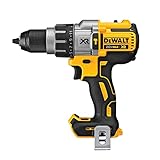
Look for a variable-speed trigger, a two-speed gearbox, a hammer mode, and a side handle. The side handle gives you better control if a bit catches in hard aggregate. A model with a metal chuck is preferable for repeated masonry work, though it may add weight. For an older house, a compact tool is easier to manage on a ladder or near a window, but an ultralight 12V drill may slow down in hard brick.
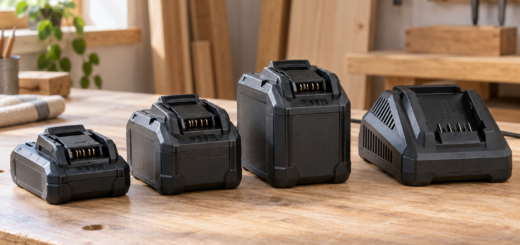
Start by comparing 18V cordless hammer drill kits with two batteries. Battery platform matters: a bare tool is a bargain only if you already own batteries and a charger from that system.
Compare the sensible options
| Option | Typical cost | Best for | Main trade-off |
|---|---|---|---|
| Compact 12V hammer drill kit | $80–$150 | A few small holes in soft brick or block | Less reserve for hard masonry or larger bits |
| 18V/20V hammer drill kit | $100–$200 on sale | Regular household repairs and mixed materials | Heavier; kit pricing varies widely |
| Bare 18V/20V hammer drill | $70–$150 | Owners already on that battery platform | Battery and charger can erase the savings |
| Corded rotary hammer | $100–$250 | Many holes, hard concrete, or larger anchors | More tool than most occasional jobs require |
Prices are broad U.S. street-price ranges, not promises; promotions and kit contents change. A brand’s entry-level kit can be better value than its premium bare tool if you need batteries. Compare the included battery capacity, warranty, chuck, and side handle—not just the advertised voltage.
Know what is behind the wall
“Masonry” covers materials that behave differently. Soft brick and some concrete blocks are relatively forgiving. Dense, hard-fired brick can be slow to penetrate, and stone can vary from one section to the next. A hammer drill’s rapid tapping helps a rotating bit cut masonry, but it is not the same as a rotary hammer, which uses a stronger impact mechanism.
Before drilling, check both sides of the wall if possible and use a suitable detector to look for wiring and pipes. Older homes may have concealed electrical runs, plumbing, or unexpected voids. Avoid drilling near outlets, switches, radiators, or plumbing without a clear plan. Wear eye protection and a dust mask; masonry dust is harmful, and old finishes can add lead-paint or other hazards. If the wall may contain lead or asbestos, stop and get qualified advice rather than making dust.
Bits and technique matter
Use a sharp carbide-tipped masonry bit sized to the anchor instructions. A cheap, worn bit can make a capable drill seem weak. For a typical plastic plug or small sleeve anchor, holes are often around 1/4 inch, but follow the fastener’s stated diameter and depth. Mark the bit with tape so you do not drill deeper than needed.
Begin at low speed with the drill square to the surface. Once the bit has started, use steady pressure rather than leaning your body weight onto it. Pull the bit out periodically to clear dust, especially in deeper holes. If the drill stalls, gets very hot, or makes little progress after roughly 20–30 seconds, stop and let the tool cool. Check for a dull bit, the wrong mode, excessive pressure, or unusually hard material.
Do not use hammer mode on wood, metal, tile, or a surface likely to crack. Drill tile with hammering off until the bit has passed through it; use an appropriate tile bit where needed. Near brittle brick edges, start farther from the edge and avoid oversize anchors, which can split weak masonry.
When a cheaper drill is fine—and when it is not
A compact 12V model is reasonable if you expect only a few small holes in soft brick or block each year, value low weight, and already have its batteries. For that kind of use, consider a 12V cordless hammer drill kit. Do not pay extra for a large battery if the tool will sit in a drawer; a modest kit is enough for light repairs.
Choose an 18V/20V kit if you are drilling multiple holes, expect to work in mixed masonry, or want one general-purpose drill for household projects. A budget kit is still the weak choice for repeated holes in hard concrete, large-diameter anchors, or sustained overhead drilling. In those cases, renting a rotary hammer may be faster and less frustrating than buying a premium hammer drill. Rotary hammers use compatible SDS bits, so ordinary round-shank masonry bits generally will not fit.
When to buy
Tool kits are often discounted around major holiday sales and seasonal home-improvement promotions. Compare the sale kit with the bare-tool price plus the cost of a battery and charger; a low headline price may include a small battery or no battery at all. If you already own a compatible platform, wait for a bare-tool promotion instead of paying twice for charging gear. If you do not, favor the kit with two batteries when the price difference is modest and you have other planned uses for them.
For most occasional masonry work in an older home, the value sweet spot is a reputable 18V/20V hammer-drill kit on sale, paired with a fresh masonry bit and the correct anchor. Spend less if the job is genuinely small and the material is soft. Step up to a rotary hammer—or hire someone—when the wall, hole size, or number of holes makes a standard hammer drill struggle.