Which Tool Brands Offer the Best Value for a First-Time Homeowner?
What's inside
As an Amazon Associate I earn from qualifying purchases. This post may contain affiliate links at no extra cost to you.
A first-time homeowner usually needs tools for small repairs, furniture assembly, yard cleanup and the occasional project—not a professional-grade collection. The best value is the set that handles those jobs safely, has batteries and replacement parts you can get locally, and doesn’t make you pay for features you won’t use.
For most people, a sensible starting point is a compact drill-driver, a basic hand-tool kit and a few job-specific items bought as needed. Brand matters most when you’re choosing cordless tools: once you own batteries, staying on that platform can save money. For hammers, tape measures and screwdrivers, brand loyalty matters much less.
As an Amazon Associate we earn from qualifying purchases at no extra cost to you.


What “value” means for a homeowner
Compare the cost of a tool with what comes in the box. A cordless drill advertised at a low price may include no battery or charger; a kit with one battery and a charger can be a better first purchase even if its sticker price is higher. Check battery capacity, usually listed in amp-hours (Ah), and confirm that the tool belongs to a current platform with other tools you might actually buy.
Also consider how often the tool will be used. A drill for hanging shelves and assembling furniture doesn’t need the torque or runtime of a tool used daily on a worksite. On the other hand, a very cheap drill may struggle with large screws or repeated drilling, and a worn-out battery can make an otherwise usable tool frustrating.
How the main tool brands compare
| Brand group | Typical value | Good fit | Trade-off |
|---|---|---|---|
| Ryobi ONE+ | Strong entry-level value, especially in kits and promotions | Homeowners who want a broad range of occasional-use cordless tools | Tools can feel less refined than pricier professional lines; check what batteries a kit includes |
| Skil | Often competitive on basic cordless tools and starter kits | Buyers who need a few common tools without building a large platform | Fewer compatible options may be available locally than on larger platforms |
| DeWalt, Milwaukee and Makita | More capable lines, but entry costs can be higher | Frequent DIYers, renovation projects or people who value durability and tool choice | Easy to overspend on professional features a homeowner rarely needs |
| Harbor Freight house brands | Low purchase price on selected tools | Infrequent jobs where replacement cost matters more than platform breadth | Availability, warranty terms and long-term compatibility vary by product |
These are broad tendencies, not guarantees for every tool. Compare the exact kit, warranty and return policy before buying. A sale can make a higher-tier brand’s starter kit a better deal than an entry-level kit at full price.
What to buy first
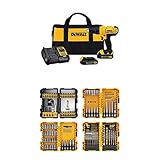
Start with a cordless drill-driver kit with a battery and charger. For basic household work, a 12-volt drill is compact and usually sufficient for pilot holes and assembling furniture. Choose an 18- or 20-volt platform if you expect to drill larger holes, drive long screws or add outdoor tools later. Those voltage labels are often marketing conventions rather than directly comparable measures of power, so compare the tool’s intended use and kit contents too.
Buy a hand-tool set with a tape measure, utility knife, pliers, adjustable wrench and a range of screwdrivers or bits. A basic homeowner hand-tool kit is convenient, but inspect its contents: some sets inflate the piece count with duplicate bits or small accessories. A 16- to 25-foot tape is enough for most rooms and furniture; an inexpensive one is fine unless the blade bends or the markings become hard to read.
Don’t buy a full collection of cordless tools just because a bundle looks like a bargain. Add tools when a specific job justifies them. For example, a cordless impact driver can speed up driving many long screws, but it is not a substitute for a drill when making clean holes. If you assemble one bookcase a year, a drill-driver and the right bit are likely enough.
Where cheaper tools make sense
For tools used only a few times a year, an affordable option can be entirely adequate. A basic hammer, manual screwdriver set, stud finder or small level doesn’t need to match the feel of a contractor’s daily-use gear. Borrowing or renting is often better value for a tile saw, demolition hammer or other specialty tool you may use once.
Spend more when failure could damage the work or create a safety problem. A reliable drill, sharp saw blade and decent eye protection matter more than matching brands. Cheap drill bits can dull quickly in hardwood or metal; if they start smoking, wandering or requiring heavy pressure, stop and replace them rather than forcing the tool. Use the right bit for the material, and wear eye protection when drilling or cutting.
Batteries, warranties and timing
Pick a cordless platform based on the tools you expect to own over the next few years. One battery system can cover drills, lights and outdoor equipment, but only if the compatible tools meet your needs. A second battery is useful for long sessions; for occasional indoor jobs, one battery may be enough. Avoid buying extra batteries before you know you’ll need them, since they add cost and eventually age even when stored.
Compare warranty length and the steps required to make a claim. Keep the receipt, register the tool if required, and check whether batteries have different coverage from the tool itself. A long warranty is less useful if service is inconvenient or the tool is frequently out of stock.
Prices often drop around major holiday sales and during retailer promotions tied to spring yard work. Look at the complete kit price, not just the discount percentage, and compare it with the cost of buying the battery and charger separately. A “free tool” promotion is worthwhile only if you would otherwise buy that tool. For a first-time homeowner, the best deal is usually a dependable starter kit plus a few inexpensive hand tools—not a large bundle full of tools waiting for a job.