
What's inside
As an Amazon Associate I earn from qualifying purchases. This post may contain affiliate links at no extra cost to you.
A premium tool is rarely worth buying for one job just because it is premium. The better question is whether its extra cost buys something you will use: fewer failed cuts, safer handling, less downtime, or compatibility with tools you already own. For a weekend project, renting, borrowing, or buying a sound budget tool may be the better deal.
As an Amazon Associate we earn from qualifying purchases at no extra cost to you.


Our Top Picks
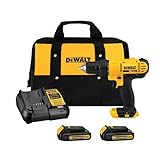
 DEWALT 20V MAX Cordless Drill and Impact DriverOne Size15.06 x 6.4 x 9.88 inches3.6 PoundsCheck on Amazon
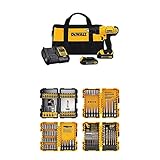
 BLACK+DECKER 20V MAX* POWERCONNECT Cordless Drill Driver KitDrill Project Kit15.5 x 5.6 x 14.4 inches6.1 poundsCheck on Amazon


Start with the job, not the brand
List the materials, the number of cuts or fasteners, and how precise the finished work needs to be. Hanging a shelf, assembling a raised bed, or trimming a few boards puts modest demands on a tool. Installing flooring across several rooms, cutting cabinets to fit, or drilling many holes in masonry makes consistency and comfort more valuable.
Also count setup and cleanup. A tool that saves ten minutes but costs $150 more is a poor bargain for one short task. A tool that keeps a blade straight through 60 cuts may save material and a frustrating trip back to the store.
Compare the total cost
Purchase price is only one part of the decision. Include the battery and charger if they are not bundled, the right blade or bit, protective gear, and any likely repair or replacement. For a one-off job, compare that total with rental rates and the time needed to pick up and return the rental.
| Option | Best fit | Main trade-off |
|---|---|---|
| Borrow | A short, simple job when a suitable tool is available | Depends on the tool’s condition, accessories, and return timing |
| Rent | Expensive or specialized equipment used for a day or two | Rental fees, deposits, transport, and deadlines can add up |
| Budget purchase | Occasional work with ordinary accuracy and moderate use | May have more vibration, rougher adjustment, or limited support |
| Premium purchase | Repeated work, demanding materials, or an existing battery system | Higher upfront cost may not pay back on one project |
As a rough check, a $40 rental used for a single day is hard to beat against a $250 purchase, unless you expect to use the tool again or need it for several days. Check the rental shop’s actual rates and included accessories: blades, bits, and delivery may cost extra.
Where premium features can earn their keep
Paying more makes the strongest case when tool performance affects safety or the finished result. A circular saw with a stable base and reliable depth adjustment is easier to guide through repeated sheet cuts than a tool with a wobbly shoe. A drill with a good clutch helps avoid splitting wood or burying screws. Better dust collection can matter during indoor sanding, where dust control is part of keeping the workspace usable.
Comfort is practical, too. If a task takes several hours, weight, balance, vibration, and trigger control can make it easier to work accurately. But do not assume an expensive tool automatically solves a skill problem. A guide, sharp blade, clamps, and careful layout often improve results more than a step up in brand.
Battery compatibility is one of the clearest reasons to pay more. If you already own several tools from a platform, a bare tool can cost less than a kit and use batteries you have. Starting from scratch reverses the calculation: compare the tool-and-battery package, not just the price printed on the bare tool.
When a cheaper tool is enough
For occasional home maintenance, a budget tool from a reputable seller can be perfectly adequate. Expect it to be less refined, not necessarily unusable. Common compromises include a shorter runtime, rougher adjustment scales, more vibration, less effective dust extraction, and a warranty process that may take longer. Inspect the tool, keep the receipt, and use a sharp, appropriate accessory.
Do not economize on a worn blade or the wrong bit to make up for the cost of a better machine. A dull saw blade can burn wood and wander; a poor masonry bit can overheat and stall. Those failures waste time and can create unsafe work. Buy the accessory that suits the material, and follow the tool’s instructions.
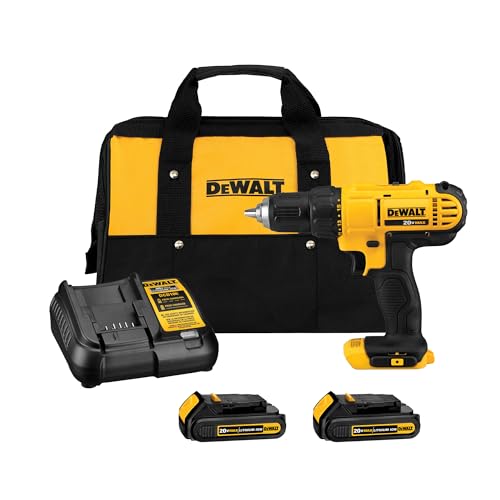
If you need a basic cordless drill-driver kit for furniture assembly, pilot holes, and occasional screws, a well-reviewed entry-level kit is often enough. For a few straight cuts in lumber, compare a basic circular saw with borrowing or renting before paying extra for features you may not use.
Avoid the one-project traps
One common mistake is buying a tool for a job it is not suited to do. A compact drill is not a substitute for a hammer drill when you need to bore several holes in concrete. A small random-orbit sander is not an efficient choice for stripping a large deck. For a specialized tool used once, rental is often sensible; for a job with tight tolerances, hiring a professional may cost less than repairing a mistake.
Another trap is buying a cheap kit full of accessories that do not match the task. A box of low-quality bits is not much value if the few sizes you need dull quickly. Check the exact contents and budget separately for consumables. For work that produces fine dust, include a suitable mask and extraction rather than treating them as optional extras.
Finally, beware of discounts that make an unnecessary upgrade feel urgent. Seasonal sales can lower prices, but compare the full kit and warranty with typical prices, and make sure the included battery capacity suits the job. A small battery may be adequate for driving screws; continuous cutting or sanding can drain it quickly.
A practical buying rule
Choose premium when you have repeated work ahead, already own compatible batteries, need dependable precision, or expect the tool to see hard use. Choose budget when the task is straightforward, the tolerances are forgiving, and the tool will spend most of its life stored away. Borrow or rent when the tool is specialized, bulky, or expensive relative to the job.
Before checkout, price the complete setup and estimate how many hours you will actually use it. If the premium option costs $120 more and the job takes two hours, ask what measurable benefit that $60 per hour of extra cost buys. If the answer is only a familiar badge, keep the money. If it buys the right accessory, a safer setup, or a result you cannot get reliably with the cheaper option, the upgrade may be justified.
Related guides
More from Amazon
Programs that pair well with the guide above. Offers and eligibility are set by Amazon and may change.
A free business account with business pricing and bulk-buying tools for work, shop or home office.
Create a business accountFree shipping on eligible items, Prime Video and more. Eligible new members can start with a free trial.
Start a Prime free trialAudiobooks and podcasts to listen to on the go. Eligible new members can start with a free trial.
Try Audible freeAd-free music streaming. Eligible new subscribers can start with a free trial.
Try Music Unlimited freeAs an Amazon Associate we earn from qualifying purchases.








Write Your Review
No reviews yet. Be the first to share your experience!