
What's inside
- Top Picks at a Glance
- Quick Comparison Table
- What Counts as an Irrigation Pump?
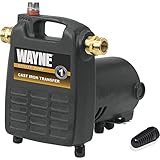
- 1. Red Lion RL-SPRK150: Best Overall for Sprinkler Systems
- 2. KITLUCK 1.6 HP Shallow Well Jet Pump: Best Value
- 3. AQUASTRONG 1.5 HP Shallow Well Jet and Centrifugal Pump: Best High-Output Option
- 4. Acquaer Convertible Jet Pump: Best for Wells
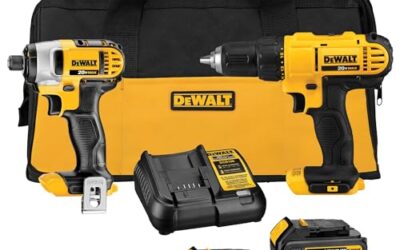
- 5. DEWALT 20V MAX Transfer Pump (DCE050B): Best Cordless Option
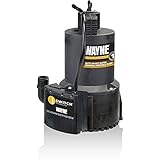
- 6. Wayne CDU980E: Best Sump Pump
- 7. Flotec 1-1/2 HP Sprinkler Pump: Best Thermoplastic Sprinkler Pump
- Also Consider
- How We Chose
- Buying Guide
- How to Size an Irrigation Pump: A Worked Walkthrough
- Common Mistakes
- Frequently Asked Questions
- Which One Should You Buy?
- Sources
As an Amazon Associate I earn from qualifying purchases. This post may contain affiliate links at no extra cost to you.
The best irrigation pump for most yards is a dedicated sprinkler pump such as the Red Lion RL-SPRK150, because it is built to move a large volume of water from a pond, tank or shallow well to a sprinkler system. If your water comes from a well, the Acquaer convertible jet pump is our top pick to check first; if you need a pump to clear a flooded basement or sump pit, the Wayne CDU980E is the practical choice; and if you want a cordless tool-style pump for moving water around a site, the DEWALT 20V MAX transfer pump is the runner-up. This guide covers irrigation pumps and the other utility pumps people search for in the same breath: sump, sewage, well, jet, transfer, laundry and circulating pumps.
This guide is research-based. We read manufacturer listings and product pages and did not personally use any pump named. We deliberately do not quote gallons-per-minute or head numbers or claim code compliance, because those depend on the pump curve for your exact setup. Check the curve and your local code before you buy.
As an Amazon Associate we earn from qualifying purchases at no extra cost to you.


Our Top Picks
Top Picks at a Glance
- Best Overall Irrigation Pump: Red Lion RL-SPRK150 sprinkler and irrigation pump
- Best Value Irrigation Pump: KITLUCK 1.6 HP shallow well jet pump
- Best High-Output Booster and Sprinkler Pump: AQUASTRONG 1.5 HP shallow well jet and centrifugal pump
- Best for Wells: Acquaer shallow and deep well convertible jet pump
- Best Cordless Transfer Pump: DEWALT 20V MAX transfer pump (DCE050B)
- Best Sump Pump: Wayne CDU980E 3/4 HP submersible sump pump
- Best Thermoplastic Sprinkler Pump: Flotec 1-1/2 HP sprinkler pump
Quick Comparison Table
| Product | Best for | Key specs (as listed) | Watch for | Price tier |
|---|---|---|---|---|
| Red Lion RL-SPRK150 | Lawn sprinkler systems from a pond, tank or shallow source | 1.5 HP, 115/230V, thermoplastic impeller | Needs correct suction setup and priming | Premium |
| KITLUCK 1.6 HP jet pump | Garden watering and sprinkler boosting on a budget | 1.6 HP, stainless steel, portable shallow well jet | Brand support and long-term parts not listed | Budget |
| AQUASTRONG 1.5 HP | Lawn sprinklers and garden irrigation | 1.5 HP, cast iron, 115/230V | Wire for the right voltage | Mid-range to premium |
| Acquaer convertible jet pump | Home well water | Cast iron, ejector kit, 25 ft shallow or 90 ft deep as listed | Depth and plumbing must match | Mid-range |
| DEWALT DCE050B | Cordless draining and transfer on a job site | 20V MAX, bare tool only | Battery and charger not included | Premium |
| Wayne CDU980E | Sump pit, basement, flood water | 3/4 HP, cast iron and stainless, vertical float, 5-year warranty as listed | Not for sewage or solids | Mid-range to premium |
| Flotec 1-1/2 HP sprinkler pump | Sprinkler feed from a tank or shallow source | 1.5 HP, thermoplastic | Check inlet and discharge fittings | Mid-range to premium |
What Counts as an Irrigation Pump?
An irrigation pump moves water from a source, a pond, a tank, a rain barrel, a river or a shallow well, to where plants need it, usually under enough pressure to run sprinklers or drip lines. The pumps in this guide are mostly centrifugal pumps: a spinning impeller flings water outward, which creates pressure. Jet pumps add an ejector to pull water from deeper sources. Diaphragm pumps are a different design, usually small, and used for low-flow drip or booster work. If you are irrigating a lawn, you want volume and moderate pressure. If you are running drip lines, you want steady low flow and filtration instead.
1. Red Lion RL-SPRK150: Best Overall for Sprinkler Systems
- Motor: 1.5 HP, 115/230V dual voltage
- Impeller: thermoplastic as listed
- Application: sprinkler and irrigation, for water sources down to a limited depth stated by the maker
Best for: lawn sprinkler systems fed from a tank, pond or shallow source. Skip if: you need to lift water from a deep well or operate in very dirty water.
Dedicated sprinkler pumps are designed for relatively high volume at modest pressure, which suits a zone of rotor heads. The thermoplastic impeller resists corrosion and is cheaper to replace than metal. Pick the voltage that matches your supply: 230V draws fewer amps and tends to start more easily, but needs the right circuit. Add a strainer on the inlet, because grit wears impellers quickly, and a check valve so the suction line keeps its prime between cycles. Read the pump curve against the number of sprinkler heads you plan to run in a zone, because the system will only deliver the flow the curve allows at that pressure.
Pros: purpose-built for sprinklers; dual voltage; corrosion-resistant impeller; reputable pump brand. Cons: premium cost; requires priming and proper plumbing; not a deep well pump.
2. KITLUCK 1.6 HP Shallow Well Jet Pump: Best Value
- Motor: 1.6 HP, portable electric
- Body: stainless steel as listed
- Use: garden watering, sprinkler pressure boosting, water transfer
Best for: a small property that needs occasional pressure for sprinklers or a rain barrel. Skip if: you need long-term parts support or a pump that runs every day.
Budget jet pumps like this one are attractive for a first rain-barrel or garden setup. They are portable and can be moved between jobs. Their trade-off is documentation and parts support, which are less established than the major pump brands, so keep your expectations modest and read the manual carefully. Use a pressure switch or a clean on/off control, keep the suction line short and sealed and never run the pump dry.
Pros: low cost; portable; stainless steel body listed. Cons: limited track record; check the electrical and plumbing instructions carefully; not for heavy daily duty.
3. AQUASTRONG 1.5 HP Shallow Well Jet and Centrifugal Pump: Best High-Output Option
- Motor: 1.5 HP, 115/230V
- Body: cast iron booster pump as listed
- Use: lawn sprinklers, garden irrigation, pressure boosting
Best for: yards that need a more substantial pump than a portable garden unit. Skip if: you need deep well performance or a quiet pump near a bedroom window.
Cast iron housings handle heat and wear better than thermoplastic, and a 1.5 HP motor gives headroom for several sprinkler zones, subject to the pump curve. Because this type can serve as either a shallow well jet pump or a centrifugal booster, check which configuration the listing describes for your plumbing. High-horsepower pumps need appropriately sized wiring and breakers, so confirm with an electrician.
Pros: sturdy cast iron; dual voltage; adaptable. Cons: heavy; louder than submersibles; needs proper electrical supply.
4. Acquaer Convertible Jet Pump: Best for Wells
- Type: cast iron shallow or deep well convertible jet pump with ejector kit
- Well depth: up to 25 feet shallow, or up to 90 feet with the ejector kit, as listed
- Voltage: 115V/230V dual voltage
- Control: automatic pressure switch
Best for: a home with an existing jet pump system and a pressure tank. Skip if: your well uses a submersible pump in the casing or is deeper than the listing allows.
People often search for “jet pumps for deep well” and “high efficiency well pumps.” Jet pumps are less efficient than submersible pumps because part of the water is recirculated through the ejector, but they are above ground, so servicing is easier. A convertible pump can be set up for a shallow well with one pipe, or for a deeper well with a two-pipe ejector arrangement. You must know your well depth, the static water level and the drawdown. If you do not, ask the well driller or a licensed pump installer. A pressure tank and pressure switch should be sized to avoid short-cycling.
Pros: convertible; above ground; dual voltage; automatic pressure switch. Cons: less efficient than a submersible; plumbing is more complex; verify depth limits.
5. DEWALT 20V MAX Transfer Pump (DCE050B): Best Cordless Option
- Power: 20V MAX battery platform
- Package: bare tool only; battery and charger sold separately
- Use: transfer and draining of water on a job site or around the yard
Best for: people who already own DEWALT 20V batteries and need a quick, portable way to move water. Skip if: you need a continuous irrigation pump, because battery run time limits it.
A cordless transfer pump is more like a power tool than an irrigation system. It excels at emptying a rain barrel, a stock tank, a boat bilge or a tool bucket, but it will not run a sprinkler zone for hours. Consider run time and the price of a battery if you do not already own one. Check the manual for what liquids the pump is rated for; do not assume it can handle fuel or chemicals.
Pros: cordless; light; works with existing batteries. Cons: bare tool only; limited run time; not for continuous irrigation.
6. Wayne CDU980E: Best Sump Pump
- Motor: 3/4 HP submersible
- Construction: cast iron and stainless steel as listed
- Switch: vertical float
- Warranty: 5 years as listed
Best for: basement sump pits that see frequent or heavy groundwater. Skip if: you need to move sewage or have a very narrow pit that cannot fit the switch.
Home flood pumps and low water level auto sump pumps address the same question: how to keep a pit from overflowing. A 3/4 HP unit gives extra capacity over a 1/3 HP, which matters in homes with a high water table. A vertical float switch suits a narrow pit; a tethered float suits wide ones. Install a check valve and discharge the water well away from the foundation. If your sump pump runs constantly, a plumber should investigate the source of the water instead of just adding more pump.
Pros: durable materials; strong warranty listing; automatic. Cons: not for solids; needs a good discharge line; no battery backup by itself.
7. Flotec 1-1/2 HP Sprinkler Pump: Best Thermoplastic Sprinkler Pump
- Motor: 1-1/2 HP
- Body: thermoplastic as listed
- Use: lawn sprinklers fed from a tank or shallow source
Best for: homeowners who want a lighter, rust-free sprinkler pump from a recognised pump brand. Skip if: you need a pump for continuous high-pressure use.
Thermoplastic pumps do not rust, which is a benefit if you leave them in a damp pump house. They are lighter and easier to carry, but they tolerate heat and freezing less well than cast iron, so drain them before winter. Confirm the inlet and discharge sizes and the voltage with the maker before you plan your piping.
Pros: corrosion-resistant; lighter; reputable brand. Cons: must be drained for freezing weather; not for abrasive water.
Also Consider
Red Lion RJS-100-PREM Shallow Well Jet Pump
A premium 1 HP cast iron jet pump for shallow wells, with enhanced starting listed. A good alternative to the Acquaer if you prefer an established pump brand. Premium.
AQUASTRONG Whole House Water Pressure Booster Pump
An automatic, variable-speed booster pump with constant pressure listed. It is for household water pressure, not for lifting water from a source. Premium.
Zoeller M53 Mighty-mate Sump Pump
A 1/3 HP submersible sump pump with a long record in home basements. A good choice if the CDU980E is more pump than you need. Mid-range.
AQUASTRONG 1 HP Submersible Sump Pump
A thermoplastic submersible utility pump for water removal, useful for flooded areas, pools and ponds. Check its duty rating before using it as a permanent pit pump. Budget.
How We Chose
We chose pumps that are currently sold in our store and that match the common searches around irrigation, wells and sumps. We read the manufacturer listings and compared stated type, motor size, voltage, housing material and switch design. We looked for clear intent: sprinkler pumps for irrigation, jet pumps for wells, submersible pumps for sumps and a cordless transfer pump for tool users. We did not personally use these products, so we make no claims about real-world flow, noise or longevity. We avoid quoting flow and head figures and code compliance claims; the pump curve and local code are the authorities.
Buying Guide
Head, flow and horsepower
Head is the total height the pump must lift water, plus the equivalent of friction in pipes and the pressure you need at the sprinkler. Flow is how much water the pump delivers at that head. Horsepower describes the motor, not the performance. Two 1.5 HP pumps can have very different curves. Always compare the curve at your head, not the headline number.
Power source
Electric pumps are quiet and simple. Gasoline engine-driven pumps suit remote sites without power but need regular engine maintenance and must be run outdoors. Cordless pumps are convenient but have limited run time. Solar pumps suit low-flow drip and trickle irrigation.
Submersible or surface pump
Surface pumps, such as sprinkler pumps and jet pumps, sit outside the water, which makes them easy to service but means they need priming and sheltering. Submersible pumps sit in the water, prime themselves and run quietly. For sumps and wells in a casing, submersibles are standard.
Water quality
Clean-water pumps are not suited to sand, silt or sewage. If you pump from a pond or stream, use an inlet strainer and consider a pump rated for dirty water. For sewage, use a sewage or effluent pump rated for solids, and for grinder applications, use a grinder pump selected with a plumber.
Special applications people search for
Laundry tub pumps and laundry water pumps move washing machine water to a drain; make sure the pump is rated for soapy water and has a check valve. Inline pumps and circulating pumps move water in a closed loop and are chosen by pipe size and temperature rating. High pressure pumps and high head pumps are used where you need to push water up a slope or through long pipes. Handheld water pumps are small manual or battery tools for emptying buckets. Pedestal pumps are surface pumps mounted on a base. Chemical pumps and pressure washer pumps are specialised, and their compatibility depends on the liquid and the machine, so check your equipment manual.
How to Size an Irrigation Pump: A Worked Walkthrough
Sizing is easier when you break it into steps. The numbers below are placeholders to show the method; replace them with your own measurements and the figures from the sprinkler maker and the pump curve.
- Write down the sprinkler demand. Find the flow each sprinkler head needs, from the head’s data sheet, and multiply by the number of heads that run together in your largest zone.
- Find the pressure you need at the head. The same data sheet lists the operating pressure. Add a margin for pipe friction and fittings.
- Measure the lift. Measure the vertical distance from the water surface to the pump (suction lift) and from the pump to the highest sprinkler (discharge rise). Both count as head.
- Convert and add. Pressure converts to equivalent head, and friction from long runs adds more. The total is the head the pump must work against.
- Read the pump curve. At that total head, the curve shows the flow the pump can deliver. If the flow is below your zone demand, split the zone into smaller zones or choose a stronger pump.
| If this describes you | Pump class to look at | What to confirm first |
|---|---|---|
| Small lawn, water from a rain tank | Portable shallow well jet or transfer pump | Suction lift and inlet strainer |
| Medium lawn, pond or tank source, several zones | Dedicated sprinkler pump | Pump curve at zone demand, voltage |
| Existing shallow well with pressure tank | Shallow or convertible jet pump | Well depth, static level, drawdown |
| Deeper well in a casing | Submersible well pump chosen with an installer | Casing size, depth, wiring |
| Basement that floods in storms | Submersible sump pump with a check valve | Pit size, discharge pipe, outlet protection |
| Job-site draining, no outlet nearby | Cordless or gasoline transfer pump | Battery or fuel supply, hose size |
If you do the arithmetic and the numbers land close to the pump’s limit, step up one size. Pumps run best in the middle of their curve rather than at the edge, and a little extra capacity gives you room for future zones or a longer hose. If the numbers feel uncertain, a sprinkler installer or a well contractor can run the calculation in minutes, and that cost is small compared with replacing a pump that was never right for the job.
Priming and daily care
Surface pumps need water in the pump body before they start. Fill the priming port, check every fitting for air leaks and open a downstream valve to let air escape. Never run a pump dry, because the seal depends on water for cooling and lubrication. At the end of the season, drain the pump and the lines, remove drain plugs and store thermoplastic pumps indoors. In the spring, spin the shaft by hand if the manual allows it, check the power cord and run the pump briefly before you need it.
Common Mistakes
- Choosing by horsepower and ignoring the pump curve.
- Using a sump pump for sewage.
- Running a surface pump without priming it.
- Leaving a thermoplastic pump full of water in freezing weather.
- Wiring a 115V/230V pump for the wrong voltage.
- Skipping the inlet strainer and check valve.
Frequently Asked Questions
What is the best pump for lawn sprinklers?
A dedicated sprinkler pump, such as the Red Lion RL-SPRK150 or the Flotec 1-1/2 HP, is built for the volume sprinkler systems need. Check the pump curve against the number of heads in each zone.
What is the best irrigation pump for groundwater or a shallow well?
A shallow well jet pump or a sprinkler pump with enough suction lift is the usual choice. Confirm your well depth and drawdown first, and consider a licensed pump installer for deeper wells.
Can I use a jet pump for a deep well?
Some jet pumps convert for deeper wells with an ejector kit, such as the Acquaer, but the limits are stated by the maker. Beyond those limits you need a submersible well pump.
What is the difference between a sump pump and a sewage pump?
A sump pump handles groundwater and clear water. A sewage pump handles solids and is installed in a sealed, vented pit. Never use a sump pump for sewage.
Can I use a laundry tub pump for my washing machine?
Yes if it is rated for it and has a check valve. Check your appliance manual for the recommended drain height.
What size pump do I need for an irrigation system?
It depends on the flow and pressure of your sprinkler heads and the lift from the source. Add the flow of the heads running in one zone, add pipe friction losses and compare with the pump curve. A sprinkler installer can do this calculation for you.
Do these pumps meet building code?
We do not make code compliance claims. Check your local code, particularly for well, sewage and electrical connections, and use licensed professionals where required.
Which One Should You Buy?
For a lawn sprinkler system, buy the Red Lion RL-SPRK150, or the Flotec if you prefer a lighter thermoplastic pump. For a smaller yard on a tight budget, the KITLUCK is the low-cost option, with modest expectations. For wells, check the Acquaer against your well depth. For a basement pit, the Wayne CDU980E is the pump to buy, or the Zoeller M53 for a smaller pit. For job-site draining, the DEWALT cordless pump is convenient if you already own the batteries. When in doubt, read the pump curve, check your voltage and ask a licensed professional for well, sewage and electrical work.
Sources
- Manufacturer product pages and manuals for each pump named above
- Red Lion and Flotec sprinkler pump documentation
- Wayne and Zoeller sump pump documentation
- Local plumbing and electrical code authorities
Last updated: October 2026
Related guides
More from Amazon
Programs that pair well with the guide above. Offers and eligibility are set by Amazon and may change.
A free business account with business pricing and bulk-buying tools for work, shop or home office.
Create a business accountFree shipping on eligible items, Prime Video and more. Eligible new members can start with a free trial.
Start a Prime free trialAudiobooks and podcasts to listen to on the go. Eligible new members can start with a free trial.
Try Audible freeAd-free music streaming. Eligible new subscribers can start with a free trial.
Try Music Unlimited freeAs an Amazon Associate we earn from qualifying purchases.
Write Your Review
No reviews yet. Be the first to share your experience!