Best Value Cordless Leaf Vacuum for Medium-Sized Residential Yards
What's inside
As an Amazon Associate I earn from qualifying purchases. This post may contain affiliate links at no extra cost to you.
The best value choice for most medium-sized yards
For a typical residential yard of roughly 5,000 to 10,000 square feet, the best value is usually a cordless leaf blower vacuum mulcher with a detachable collection bag and a battery of at least 4.0Ah. This combination handles leaves around flower beds, fences, patios, and driveways without the fuel, extension cords, or storage demands of a gas machine.
Look for a blower-vac that produces about 400 to 600 CFM in blower mode and includes a metal or reinforced impeller. Vacuum performance matters more than the highest advertised air-speed number. A unit claiming 150 mph but moving only 100 CFM may be disappointing when lifting damp leaves from grass. A practical machine should gather a small yard in 20 to 40 minutes, depending on leaf depth and how often you stop to empty the bag.
As an Amazon Associate we earn from qualifying purchases at no extra cost to you.
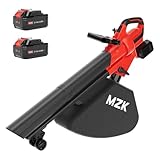
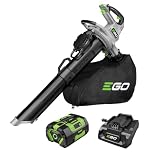

The value calculation changes if you already own batteries. A bare tool can be a sensible purchase at around half the cost of a kit. If you need the battery, charger, and tool together, a slightly less powerful model from the battery platform already used for your drill or trimmer can be cheaper overall and more useful year-round.
Features that matter more than marketing numbers
Battery size: A 2.0Ah battery may run a blower-vac for only 10 to 20 minutes under heavy vacuum use. That can be enough for a patio or small lot, but it is frustrating for a medium yard. A 4.0Ah or 5.0Ah pack is a better starting point. Expect roughly 20 to 35 minutes of real work from one pack, with turbo use reducing that figure.
Vacuum and blower controls: Variable speed is useful near mulch, gravel, and garden edging. Full power can suck up stones, bark, and screws, damaging the impeller or clogging the tube. A lower setting lets you collect leaves without constantly picking debris out of the machine.
Mulching: A claimed 10:1 or 12:1 reduction ratio is helpful, but it does not mean a bag that held 10 bags of leaves will become one bag of fine compost. Leaf type, moisture, and the number of passes through the impeller all affect the result. A metal impeller generally tolerates occasional small debris better than a plastic one, although no leaf vacuum should be used as a substitute for raking rocks.
Bag and tube design: A 1.5- to 2-bushel bag is a reasonable size for residential work. Larger bags hold more but become heavy quickly, especially with damp leaves. Check whether the vacuum tube comes off without tools. Tubes that require several screws or awkward clips are more likely to stay attached all year, even when you only want to blow the driveway.
Cordless, corded, or gas: which costs less in practice?
| Type | Typical purchase cost | Best use | Main drawback |
|---|---|---|---|
| Cordless blower-vac | $150–$350 with battery | Medium yards and quick cleanup | Limited runtime and battery replacement cost |
| Corded blower-vac | $60–$130 | Small yards near an outlet | Extension cord management and shorter reach |
| Gas blower-vac | $200–$450 | Large areas and long work sessions | Fuel, maintenance, noise, and starting issues |
The cheaper option is fine when your yard is small, mostly paved, or within 100 feet of a suitable outdoor outlet. A corded leaf blower vacuum can deliver steady power for less money than a cordless kit. Its failure mode is not mechanical; it is practical. Cords snag on shrubs, disappear under leaves, and make it difficult to cross a driveway or move between the front and back yard.
Gas makes more sense for properties with long sessions, heavy wet leaves, or several large trees. For a medium residential yard, however, the fuel savings and lower maintenance of cordless equipment usually outweigh the extra initial cost, particularly if you already own compatible batteries.
Battery platform value matters
Brand value is less about the logo on the blower than the cost and availability of replacement batteries. Established cordless platforms usually offer batteries, chargers, trimmers, hedge cutters, and saws that share the same packs. That lowers the long-term cost if you plan to add tools.
Check the price of a replacement 4.0Ah battery before buying the vacuum. Some inexpensive kits look attractive at first but use batteries that cost nearly as much as the original tool. Also check charger speed. A basic charger may need several hours to refill a large pack, while a rapid charger can make one-battery ownership workable.
If you only clean leaves twice each fall, buying a second battery may not be worthwhile. Use the first pack for one section, charge it during a break, and finish later. If leaves arrive in several waves or you also maintain a large lawn, two 4.0Ah or 5.0Ah batteries are more convenient than trying to stretch runtime with repeated turbo bursts.
When to buy and how to avoid a bad deal
Prices are commonly strongest near the end of fall, after the main leaf season, and during major holiday promotions. Spring can also bring discounts on last year’s kits when retailers make room for new packaging. Compare the complete kit price, not just the advertised tool price. A “sale” bare tool is not a bargain if the required battery and charger add $150 or more.
Inspect return policies and replacement-part availability. Bags, tubes, impellers, and battery packs are the parts most likely to need replacement. A very cheap machine with no listed replacement bag can become disposable after one torn zipper or clogged tube.
How to get better results and prevent failures
Let wet leaves drain for a day whenever possible. Damp leaves weigh more, bridge inside the tube, and fill the bag rapidly. Start on low power around gravel and mulch, then increase speed on open lawn. Keep the tube moving rather than burying it in a deep pile; a 2- to 3-inch layer is easier on the motor than a compressed mound.
Empty the bag before it is completely full. A packed bag restricts airflow and makes the vacuum feel weak. Stop immediately if the motor pitch changes, suction drops sharply, or the impeller rattles. Remove the battery before clearing a blockage, and do not reach into the intake while the pack is installed.
For most medium-sized yards, spend extra on a larger battery, usable controls, and a serviceable bag before paying for maximum air speed. Those details determine whether the tool saves time or becomes another seasonal machine left in the shed.