Best Value Electric Pressure Washer for Washing a Car at Home
What's inside
As an Amazon Associate I earn from qualifying purchases. This post may contain affiliate links at no extra cost to you.
The best value electric pressure washer for washing a car at home is usually a compact unit in the roughly 1,700–2,000 PSI range, with a useful low-pressure soap option and standard quick-connect fittings. You don’t need a high-priced machine to clean paint safely. In practice, nozzle choice, working distance, and a good wash routine matter more than the biggest pressure figure on the box.
For a typical household, a sensible budget is about $100–$200 for the washer itself. Below that, you may find a workable machine, but hoses, fittings, and detergent systems are more likely to feel flimsy. Above it, you’re often paying for longer runtime, better storage, or accessories—not a dramatically better car wash.
As an Amazon Associate we earn from qualifying purchases at no extra cost to you.


What matters for car washing
Look at pressure and flow together. Advertised PSI is often a maximum figure, not the pressure you’ll get at the nozzle during normal use. Gallons per minute (GPM) affects how quickly the machine rinses away dirt. For occasional car washing, around 1.2–1.5 GPM is serviceable; more flow is convenient, but it can push the price and water use up.
A short, stiff hose makes it frustrating to walk around a vehicle, so check hose length and whether replacements are standard fittings. A 20-foot hose is workable beside a driveway outlet; 25 feet or more gives you more room. A removable detergent bottle or low-pressure soap nozzle is useful, but don’t expect a built-in detergent system to replace a foam cannon if thick foam is your priority.
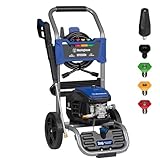
For a straightforward budget choice, compare compact electric pressure washers around 2,000 PSI. Treat that number as a ceiling, not a target to aim at your paint.
Value comparison
| Type | Typical price | Best for | Main compromise |
|---|---|---|---|
| Entry-level electric | $80–$130 | One or two cars, occasional use | Shorter hose, basic fittings, modest flow |
| Midrange electric | $130–$220 | Regular car washing and patio cleanup | Costs more; some included accessories may go unused |
| Premium electric | $220–$350+ | Frequent use, longer sessions, better storage | Often poor value if cars are the only job |
These are broad US street-price ranges, not fixed prices. Sales can move a midrange machine into entry-level territory. Compare the included hose, spray wand, warranty, and connector type before treating a lower sticker price as a bargain.
Which one is best value?
For most car owners, the midrange category is the practical sweet spot. It is worth paying extra over the cheapest machine when the upgrade gets you a longer hose, a more robust reel or storage setup, or easier-to-find replacement parts. Those features save hassle every wash. A higher PSI label by itself is not a good reason to spend more.
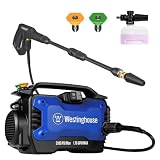
If you wash only one car every few weeks and already have a hose and bucket, a basic electric model is fine. It can rinse loose grit and wheel wells without the weight, noise, fuel, and maintenance of a gas washer. Consider electric washers with a 25-foot hose if you want room to circle a vehicle without dragging the unit around.
Brand reputation is useful, but don’t assume a familiar name guarantees long life. In this price range, a washer’s pump and fittings matter, and repairs may cost more than replacing a budget unit. Check the warranty terms and whether the company sells hoses or adapters separately. A no-name bargain can be adequate for light use; it becomes a worse bet if you plan to run it for hours on other jobs.
Wash without damaging paint
Start by rinsing the car to remove loose grit. Use a wide 40-degree nozzle, keep the tip moving, and begin several feet away. Test the spray on a low, inconspicuous area before moving closer. Avoid zero-degree and narrow turbo nozzles on paint, trim, tires, and window seals. They concentrate force and can lift damaged clear coat, cut rubber, or force water past seals.
Apply car-safe soap at low pressure, then wash with a clean microfiber mitt using separate rinse water. Rinse from the top down. Don’t blast directly into door seals, chipped paint, wheel bearings, or electrical connectors. A pressure washer is good at rinsing; it does not make a dirty mitt safe. Dragging grit across paint can leave fine scratches even when the washer is used carefully.
Do not use a patio or concrete detergent on a vehicle unless its label says it is safe for automotive paint. Some household cleaners can strip wax or leave residue. A basic detergent pickup is enough for ordinary soap application; a foam cannon is optional, not essential.
Common failure modes and buying checks
Electric washers may pulse or fail to build pressure when the inlet hose is kinked, the water supply is restricted, or air remains in the pump. Before starting, connect the garden hose, turn on the water, and squeeze the trigger until the flow is steady. Follow the manual’s instructions for duty cycle: running continuously beyond the specified interval can overheat the motor or pump.
Leaking quick-connects are another common annoyance. Check that the machine includes the fittings you need, and don’t force mismatched connections. Store the washer where it won’t freeze; water left in the pump can expand and crack components. Disconnect and drain hoses after use, and use the manufacturer’s winterizing advice if the unit will sit through freezing weather.
When to buy
Spring promotions are convenient, but not always the lowest point. Retailers also discount outdoor equipment around late summer, holiday sales, and the end of the season. If your current washer still works, compare the sale price against the normal price and check what accessories are included. A discount on a bare unit may be worse value than a slightly dearer bundle with a long hose and standard connectors.
For a home car wash, buy the least expensive machine that meets your real needs: adequate hose reach, reliable fittings, and a comfortable low-pressure way to apply soap. Pay extra for build and convenience when you’ll use them; otherwise, a basic electric washer and careful technique are enough.