How to Build a Cordless Tool Collection Without Paying for Duplicate Batteries
What's inside
As an Amazon Associate I earn from qualifying purchases. This post may contain affiliate links at no extra cost to you.
A cordless tool collection gets expensive when every tool comes with its own batteries and charger. The practical way to avoid that is to pick one battery platform for most jobs, buy a starter kit with batteries, then add bare tools only when they cost less than buying another kit. The catch: a cheap tool is not a bargain if it forces you into an inconvenient or underpowered system.
Start with the work, not the brand
List the jobs you actually do over a year: hanging shelves, drilling into masonry, cutting lumber, trimming a yard, or repairing a car. Separate occasional tasks from frequent ones. For a homeowner who drills holes a few times a month, a compact drill and impact driver kit may cover most needs. Someone cutting framing lumber every weekend has different battery and saw requirements.
Also check what you already own. A working battery platform is often worth keeping, even if another brand has a lower-priced tool. Switching can mean buying batteries, a charger, and tools all over again. Consider a second platform only when it fills a clear gap—for example, a compact outdoor-tool range unavailable in your main system.
Choose a platform by total cost
Compare the price of a starter kit, bare tools, replacement batteries, and the specific tools you expect to buy next. A kit with two batteries and a charger can be a better starting point than a discounted bare drill, even if the drill itself costs more. Conversely, if you already have two healthy batteries, a bare tool is usually the sensible purchase.
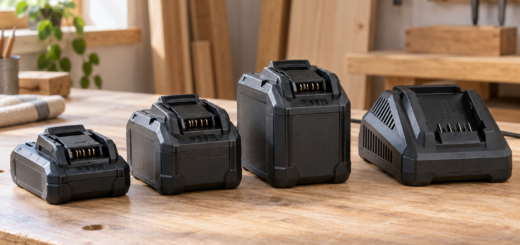
Battery voltage alone does not tell you how capable a tool is. Runtime depends partly on battery capacity, measured in amp-hours (Ah), while power delivery also depends on battery and tool design. A compact 2 Ah battery keeps a drill light but may run out quickly in a saw. A larger 5 Ah pack can extend runtime, though it adds weight and may make overhead work tiring.
| Buying situation | Usually better value | Watch for |
|---|---|---|
| Starting from zero | Drill-and-impact-driver kit with two batteries and charger | Whether the batteries are full-size usable packs or small, limited-capacity ones |
| Already own compatible batteries | Bare tool | Kit discounts can occasionally make a new battery effectively free |
| Need one tool for a rare job | Borrowing, renting, or a lower-cost tool | Buying a new platform for one short task |
| Use saws or outdoor tools often | Platform with suitable higher-capacity batteries | Battery weight, charging time, and pack cost |
Buy one starter kit, then fill gaps
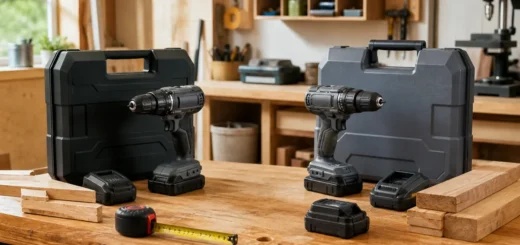
A drill-and-impact-driver kit is a useful foundation because the tools handle different fasteners. A drill is better suited to controlled holes and many larger bits; an impact driver is quicker for driving screws, but it can damage small fasteners or workpieces if you overdrive them. For general home repairs, look for a kit that includes two batteries, a charger, and a case or bag if you need one.
Compare the kit price with the separate prices of the tools, batteries, and charger. Do not count a battery as valuable just because the package includes it: check its capacity and whether it is a standard pack compatible with the tools you plan to buy. A starter kit from a widely supported system is often a better value than an obscure low-price set with few compatible tools.
For a broad selection of home-use tools, compare current cordless drill and impact driver kits by what is included, not just the headline price. If your jobs are light, a basic kit is often enough; paying extra for the highest advertised torque may not improve everyday drilling or furniture assembly.
Add tools without adding batteries
Once you have a platform, make a list of the next three tools you might buy. Check bare-tool prices first, then compare any kit bundles. A bare tool is a good deal only if it works with the batteries you own and does not leave you short on runtime. If one battery is always charging while the other is in use, a discounted two-battery kit may be worth considering.
For occasional cutting, a corded circular saw can cost less than a cordless saw and avoids battery runtime limits. The trade-off is managing an extension cord and having access to power. For repeated cuts far from an outlet, cordless convenience may justify the added cost. Similarly, renting a specialty tool for one weekend can be cheaper than buying a battery, charger, and tool that sit unused.
Before mixing brands, check the exact battery compatibility. Different product lines from the same manufacturer may use different packs, and adapters can create fit or performance issues. Do not assume a battery adapter makes every tool safe or suitable. Check the tool and battery makers’ guidance, especially for high-load tools such as saws and grinders.
Time purchases around useful bundles
Prices move during major sale periods, but a discount matters only if it matches a tool you need. Compare the sale price with the usual kit price and the cost of buying components separately. A “free tool” promotion can be worthwhile if the selected tool is on your list; it is not savings if you would never buy or use it.
Look for seasonal bundles when buying outdoor equipment in late fall or winter, and watch for tool-and-battery promotions around spring projects and major retail sales. Keep a note of the regular price for several weeks if you are unsure whether a deal is genuine. Check whether the seller is authorized, the battery is included, and the return period allows you to confirm everything works.
Avoid the common false savings
Do not buy batteries solely by the lowest cost per pack. Very small batteries can make a drill feel nimble, but a circular saw may drain one quickly, especially in thick or wet lumber. For regular saw use, keeping a larger pack for cutting and a lighter one for drilling is a practical compromise. If you only make a few short cuts now and then, the smaller battery may be perfectly adequate.
Also budget for bits and blades. A cheap tool with worn blades can cut poorly, run hot, and encourage you to blame the tool. A sharp blade or suitable drill bit often improves the result more than stepping up one tool tier. Finally, avoid buying every tool in a large combo set just to get a low per-tool price. Pay for tools that solve real jobs, and add the next one when a bare-tool deal beats the cost of replacing batteries you already own.