How to Build a Cordless Tool Collection Without Buying Duplicate Batteries
What's inside
As an Amazon Associate I earn from qualifying purchases. This post may contain affiliate links at no extra cost to you.
Building a cordless tool collection is less about choosing the “best” drill and more about choosing a battery platform you can live with for years. A good platform lets you buy bare tools later, often saving $30 to $100 per purchase. A poor choice leaves you with several chargers, incompatible batteries, and expensive replacements for tools you use only occasionally.
As an Amazon Associate we earn from qualifying purchases at no extra cost to you.


Start With a Battery Platform
Pick one voltage system before buying your second cordless tool. For most homeowners, a 18V or 20V MAX platform is the practical starting point. These labels describe essentially the same battery class: “20V MAX” is the peak voltage, while 18V is the nominal voltage. Do not assume a 20V tool is meaningfully more powerful than an 18V tool just because of the label.
Compact 12V systems are excellent for cabinet work, furniture assembly, light drilling, and driving screws. They are smaller and easier to control, but they are not ideal for repeated hole-saw work, long structural screws, or cutting thick lumber. A full-size 18V/20V system handles a wider range of jobs, including drills, impact drivers, saws, sanders, lights, and outdoor equipment.
For a first collection, choose the system with the tools you expect to use, not just the cheapest starter kit. Battery compatibility is usually limited to one brand’s voltage family. A battery from one manufacturer generally will not safely fit another manufacturer’s tool, even when both are labeled 18V.
Buy Tools in the Right Order
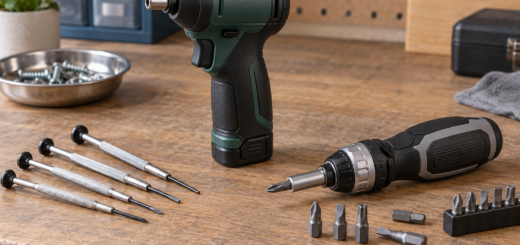
Begin with a drill/driver and an impact driver if you do regular repair or building work. The drill handles controlled drilling and smaller fasteners; the impact driver is faster and less tiring for long screws and lag bolts. If you only hang shelves, assemble furniture, and make occasional repairs, a drill alone is cheaper and quieter.
Next, buy the tool that solves a repeated problem. That might be an oscillating multi-tool for remodeling, a reciprocating saw for demolition, or a circular saw for sheet goods and framing. Buy the tool as a bare unit once you already own compatible batteries. Starter kits are often good value only when you need every included item.
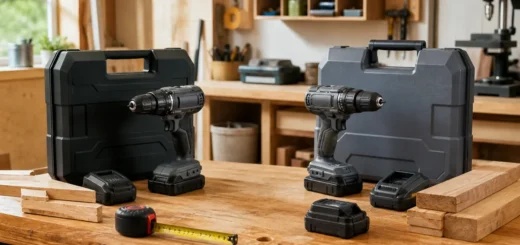
A sensible entry point is a drill and impact-driver combo kit with two batteries and a charger. Avoid kits that include four or five tools you would otherwise never buy. A $250 kit is not a bargain if two tools remain unused in a drawer.
Compare Platform Costs, Not Just Kit Prices
| Platform type | Typical strengths | Typical weakness | Best value for |
|---|---|---|---|
| 12V compact | Light, controllable, inexpensive batteries | Less runtime and cutting power | Apartment repairs, cabinetry, furniture |
| 18V/20V homeowner | Broad tool selection and strong performance | Heavier tools and larger batteries | Most DIY homeowners |
| 18V/20V professional | Durability, high-output batteries, extensive lineup | Higher tool and battery prices | Frequent remodeling or trade work |
| Outdoor-focused system | Trimmers, blowers, mowers, chainsaws | Outdoor tools can consume batteries quickly | Homes replacing gas equipment |
Look at the price of bare tools and replacement batteries, not just the first bundle. A platform with a cheap starter kit can become expensive when a replacement 5.0Ah battery costs $150. Conversely, paying extra for a professional system can make sense if you will buy six or more tools and use them weekly.
Battery capacity matters. A 2.0Ah battery is light and fine for a drill or impact driver. A 4.0Ah or 5.0Ah pack gives longer runtime but adds noticeable weight. High-output packs can improve saw and grinder performance, but they are usually poor value for a homeowner who mostly drives screws.
Avoid Duplicate Batteries and Chargers
Do not buy a battery with every bare tool unless the price is genuinely lower than buying the battery separately. Once you have two batteries, many users can rotate one while charging the other. A third battery becomes useful for outdoor tools, long cutting sessions, or work away from an outlet.
For a small collection, aim for two compact batteries and one larger pack. Use the compact packs in the drill, impact driver, light, and multi-tool. Reserve the larger pack for a circular saw, grinder, blower, or other high-draw tool. This arrangement avoids carrying heavy batteries on tools that do not need them.
A battery and charger storage solution is also useful once you own several packs. Keep batteries indoors, away from direct sun and freezing temperatures. Do not store a lithium-ion pack fully depleted; charge it before storage and inspect it for swelling, cracks, or damaged terminals.
Choose Brands by Long-Term Value
Budget brands are often perfectly adequate for light household use. If you drill a dozen holes a year, assemble furniture, and make occasional repairs, a lower-cost platform can save money without creating a practical problem. Expect more plastic, fewer premium controls, and sometimes shorter warranty support.
Midrange platforms are usually the value sweet spot. They offer enough drills, saws, sanders, and outdoor tools for most homeowners, while bare-tool prices remain manageable. Professional platforms justify their cost through better ergonomics, stronger motors, metal gear housings, improved service, and batteries that deliver power under heavy loads.
Check the platform’s tool lineup before committing. Some brands offer excellent drills but almost no useful saws or yard tools. Others have dozens of tools but charge unusually high prices for batteries. Search for the exact bare tool and battery prices, then compare total ownership cost over three or four purchases.
Time Purchases Around Sales
Battery kits are commonly discounted during major holiday sales, spring outdoor-equipment promotions, and autumn tool events. The best deal is often a kit that includes a free bare tool or a bonus battery, rather than a small percentage reduction on the box price. Check whether the offer is a retailer promotion, manufacturer rebate, or limited-time bundle.
Buy outdoor tools in late summer or fall when demand drops. Mowers, trimmers, and blowers can be discounted after the main season, although battery-and-charger bundles may be more plentiful in spring. Buy indoor remodeling tools around holiday sales, but do not wait if a project requires a tool now; renting a saw for $40 can be cheaper than impulse-buying an entire new platform.
For occasional heavy work, renting remains the cheapest option. A grinder, rotary hammer, or chainsaw may cost $150 to $300 as a cordless bare tool, yet see only two hours of use per year. Buy it when repeated rental fees, travel time, or availability problems exceed the ownership cost.
A Practical Buying Plan
Choose one platform, buy a drill kit with two batteries, and use it for several weeks before expanding. Add an impact driver only if you regularly drive long fasteners. Then purchase bare tools for repeated tasks, using the existing batteries. If you need cutting power, a bare cordless circular saw is usually a better third or fourth purchase than another drill.
Before each purchase, ask three questions: Will I use this tool at least three times this year? Do I already own the right battery for it? Would renting or buying a corded version be cheaper? Those answers prevent duplicate chargers, oversized battery collections, and expensive tools that spend most of their lives unused.