Ryobi vs Craftsman: Comparing Affordable Cordless Tools for Occasional DIY
What's inside
As an Amazon Associate I earn from qualifying purchases. This post may contain affiliate links at no extra cost to you.
For occasional home repairs, a cordless drill, a few batteries and a basic saw can cover most jobs. Ryobi and Craftsman both sell affordable tool lines aimed at homeowners, but the better value depends on which tools you need, what’s on sale and how easy it is to buy compatible batteries later.
Neither brand wins every category. Ryobi has a broader cordless lineup and a long-running 18V platform; Craftsman’s V20 range can be a good buy when a kit or bare tool is discounted. For a drill that comes out a few times a year, either can be perfectly adequate. The bigger mistake is buying into a battery system based on one low-priced tool without checking the cost of the next battery or tool.
As an Amazon Associate we earn from qualifying purchases at no extra cost to you.



Platforms and prices
Ryobi’s main homeowner platform is 18V ONE+. Craftsman’s current cordless lineup is built around V20 batteries. Both brands offer drills, impact drivers, lights and outdoor tools, though Ryobi generally has more options across the broader home-and-yard range. More choice matters if you expect to add tools; it matters less if you only need a drill and a sander.
Prices change often, especially around spring and major holiday sales. Kits can make a starter set cheaper than buying a bare tool and battery separately, but compare what is actually included. A second battery, charger and carrying case are not guaranteed just because the box says “kit.” Batteries are a meaningful part of the cost, and a discounted tool may be a poor deal if a replacement battery is expensive or hard to find.
| Consideration | Ryobi ONE+ | Craftsman V20 |
|---|---|---|
| Best fit | Buyers who may add tools across home and yard tasks | Buyers focused on a small set of basic cordless tools |
| Platform choice | Broad range of compatible homeowner tools | Useful core selection, with fewer options in some categories |
| Deal to watch for | Starter kits with two batteries and charger | Discounted drill or combo kits from major retailers |
| Main trade-off | More platform choices can tempt you to buy tools you rarely use | Check availability and pricing before building a larger collection |
Drills and impact drivers
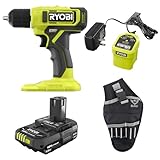
For assembling furniture, hanging shelves and drilling pilot holes in softwood, an entry-level drill from either brand is usually enough. Look for a kit with a two-speed gearbox, a clutch and at least one battery. A 1.5- or 2.0-amp-hour battery keeps the drill lighter; a larger battery can run longer but adds weight and bulk.
An impact driver is helpful for driving many screws, long fasteners or screws into dense lumber. It is not a substitute for a drill: it lacks the drill’s adjustable clutch, and its hammering action can snap small screws or strip soft material. For a first purchase, a combo kit is worthwhile only if you have a real use for both tools. If you mainly install curtain rods or assemble flat-pack furniture, buy the drill and spend the difference on decent bits.
Compare a Ryobi 18V drill kit with a Craftsman V20 drill kit by the included battery capacity, charger and current price—not just the brand name. For occasional use, a modest kit is generally a better buy than paying extra for a high-performance drill whose power you will rarely need.
Saws and sanding
For straight cuts in plywood or trim, a circular saw saves time, but it also draws batteries quickly. A small battery may be fine for a handful of cuts; repeated cuts through thick lumber can slow the saw and drain it fast. A corded saw may be cheaper and more practical if you work near an outlet and only cut a few times a year.
For light sanding, a cordless orbital sander is convenient, but it creates a lot of fine dust. Connect a shop vacuum if the tool allows it, wear eye protection and a suitable dust mask, and avoid relying on a small dust bag for a long session. If you are sanding one tabletop in the garage, compare the price of a corded sander before committing to another battery tool.
Browse a Ryobi 18V orbital sander or Craftsman V20 circular saw only if cordless convenience solves a real problem for your projects. For a one-off cut or sanding job, borrowing or renting can cost less than buying a tool, battery and consumables.
What to check before buying
First, price the complete setup: tool, battery, charger and any required blade or bit. Then check whether the tool is brushless or brushed if that distinction affects the deal. Brushless motors can be more efficient and durable, but a brushed tool is often adequate for a homeowner drilling a few dozen holes a year. Paying a premium for brushless is hard to justify if the tool will spend most of its life on a shelf.
Battery age is another failure point. Lithium-ion batteries lose capacity over time, especially if stored fully drained, left in a hot car or kept for months on a charger. Store them indoors, and recharge before the pack is completely depleted. If buying a clearance kit, check the return window and inspect the battery for damage; a cheap tool with a worn or missing battery may not be a bargain.
Which is better value?
Choose Ryobi if you expect to add several tools, want more options for yard work or find a starter kit with batteries at a strong price. Choose Craftsman if its drill or combo kit is substantially cheaper and its available tools match your short list. For a homeowner who needs one drill for light repairs, the lowest-priced complete kit from either brand is often the sensible choice.
Set a simple limit before shopping: list the jobs you expect to do in the next year, then buy only tools that serve those jobs. A cheap saw is still wasted money if you will make two cuts; a slightly pricier drill kit can be good value if it includes a second battery you will use. Compare sale prices, read the kit contents carefully and avoid paying for a platform you do not plan to use.