Black Friday Power Tool Deals: How to Buy Without Getting Played
Our Top Picks
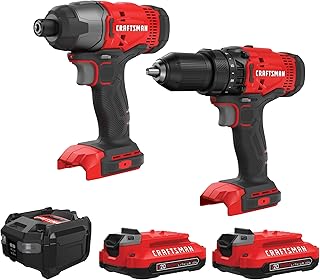
 DEWALT 20V MAX Cordless Drill and Impact DriverOne Size15.06 x 6.4 x 9.88 inches3.6 PoundsCheck on Amazon
 KingTool 276-Piece Tool Set Kit with 12V Cordless276 Count (Pack of 1)16.4 x 13.1 x 6.57 Inches1.76 PoundsCheck on Amazon


What's inside
As an Amazon Associate I earn from qualifying purchases. This post may contain affiliate links at no extra cost to you.
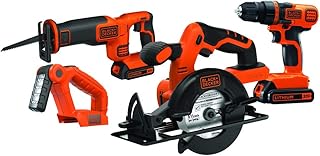
Power tools are one of the categories where American Black Friday discounts are genuinely real. They are also a category where manufacturers build special kits specifically for the sale — and those kits are not always what they look like.
That is the tension of the whole season. The price on a good combo kit in late November is usually the lowest it will be all year, so waiting is rational. But the sale also creates products that exist only for the sale, assembled to hit a price rather than to be the best version of the tool. The discount is real; what sits underneath it has sometimes been quietly reshaped. Spotting the difference takes a few minutes of reading specifications instead of headlines, and it is the highest-value few minutes you will spend in the entire window.
As an Amazon Associate we earn from qualifying purchases at no extra cost to you.





What actually drops in price
Not every category behaves the same way. Some genuinely bottom out, some just get louder marketing. Here is how the main groups tend to move and how much of that movement is worth acting on.
| Category | Typical discount | Genuine? |
|---|---|---|
| Combo kits | 25–40% | Yes, best deals of the year |
| Bare tools | 15–25% | Yes |
| Batteries | 20–30% | Yes, stock up |
| Hand tool sets | 30–50% | Often padded sets |
| Miter/table saws | 15–20% | Yes |
| Storage systems | 20–30% | Yes |
Read that as a priority list, not a set of guarantees. The rows to act on hardest are combo kits and batteries, because both are things you would otherwise pay near full retail for at some random point in the year. The row to distrust is hand tool sets, where the headline percentage is biggest and the underlying value is thinnest. Half off a set padded with accessories you will never open is not half off tools. Saws move least, but they move honestly, and a saw at the low end of its discount range is often a better use of the same money.
The three tricks to watch for
1. Battery downgrade. The classic. A kit that normally ships with two 5Ah packs appears at a great price with two 2Ah packs. Same tools, same box art, much less battery. Always check amp-hours in the specification, not the photo.
Compact packs are not useless — they are genuinely better balanced for overhead work and tight cabinets — but a kit with nothing else in it means you will buy a higher-capacity pack separately, and a single pack bought on its own costs a meaningful share of what the kit cost. Do that arithmetic first. Kit price plus the battery you will end up adding is the real price. If that total still beats the normal kit price, the deal survives. If it does not, the discount was taken out of the battery, not off the tools.
2. Brushed motors in brushless-looking kits. Sale-only kits sometimes drop to the brushed version of a tool. Check the model number, not the family name.
Brushed is not automatically the wrong choice. For occasional light work it will outlast most owners’ interest in the tool, and the price gap is real money. What you should not do is pay brushless money for a brushed tool because the box shares a family name and a colour scheme. The tell is the model number on the tool itself. If a listing will not show you one, treat that as the answer.
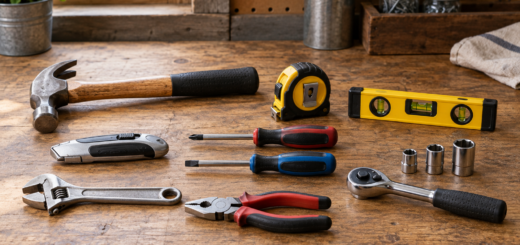
3. Padded piece counts. “168-piece tool set” usually means 120 drill bits you will never use. Count the tools, not the pieces.
Read the contents list and count only the items you can name a job for. A decent ratchet, a usable socket range, screwdrivers with tips that do not deform, and a hex key set is worth buying at almost any discount. A piece count built from three sizes of the same bit across two materials is a case with filler in it. Look at what holds it together, too: moulded recesses keep a set usable for years, a soft pouch turns it into a loose pile by the second project.
Two more that catch experienced buyers
Retailer-exclusive model numbers. The same tool family appears under slightly different model numbers depending on where it is sold, with different accessories, battery contents or cases. That is normal retail, not a scam. It becomes a problem when you compare a store price against an online price and assume it is the same product. Compare model number to model number or you are not comparing anything.
The free bonus tool. Sometimes a genuine addition, more often the slowest-selling item in the range with its cost already built into the kit price. Ask whether you would have paid for that item on its own. If the honest answer is no, value it at zero and see whether the deal still stands up.
If you act on only two categories this season, make them these.
Combo kit deals
Combo kits genuinely see the year’s lowest prices in this window. Verify battery capacity before checkout.
Battery multi-pack deals
Batteries are consumables and rarely discounted deeply outside this window. If you own a platform, this is the time.
How to judge a deal at each price band
Discount percentage is the least useful number in a listing. What matters is what a tool has to do well at its price, and that changes as you move up.
The cheap end: hand tools, accessories, single bare tools
Here the question is not performance, it is whether the thing will annoy you. A tape that will not lock, a knife that needs a screwdriver to change blades, bits that round over on the third screw. Good pick: a known brand’s plain version of a simple tool. Bad pick: an unknown brand’s elaborate version of a simple tool. Complexity at this price is where the cost got cut.
The middle: combo kits and platform entry
This is where the season’s real money sits, and the decision is mostly about batteries rather than tools. Weigh three things in this order: capacity of the included packs, whether the platform is the one you already own or intend to own, and only then the tool count. A four-tool kit on a platform you will abandon is worth less than a two-tool kit on the platform you will keep feeding for a decade. Skip this band if you already own the same tools on the same platform and are only being tempted by the number of items in the box.
The top: saws, stationary tools, large kits
Discounts get shallower as prices climb, which is exactly why percentages mislead here. What makes a saw good is structural: how solid the fence and table are, whether the blade returns to the same place after you move it, how easily it holds an adjustment, whether the dust port fits something you own. None of that improves on sale. Buy on the tool and treat the discount as a bonus. Skip it if the job is one weekend of plywood that a circular saw and a straightedge would handle.
Who should buy now and who should wait
You own nothing cordless. This is your window, and platform matters more than price. Choose on what you can buy locally mid-project, what the people around you already own so batteries are borrowable, and how far the range extends above the two tools you need today.
You are already on a platform. Mostly ignore kits and buy bare tools and batteries. Kits are only efficient the first time; after that you are paying again for chargers you already have.
You are tempted by a second platform. Wait. This is the most expensive mistake in the category, and the sale is engineered to make it look cheap. The only reasonable exception is a tool with no equivalent on your platform that you will use often enough to keep its batteries charged.
A buying strategy that works
- ✔ Decide your platform before the sale, not during it
- ✔ Write the list of tools you need, then only buy from that list
- ✔ Track prices for two weeks beforehand so you know the real baseline
- ✔ Buy batteries even if you do not need a tool
- ✔ Check return windows — extended holiday returns are common
The tracking point carries the most weight. Two weeks of watching tells you whether the sale price is a genuine low or the same number the item sat at earlier with a different label on it, and it shows you which retailer moves first — useful, because the good combo kits sell out before the window closes.
What not to do
- ✘ Buying into a second battery platform because the deal looked good
- ✘ Buying a tool you have no job for
- ✘ Trusting “was” prices without checking history
- ✘ Buying no-name brands purely on discount percentage
Every one of those is the same error wearing a different coat: buying against a discount instead of against a need. The fix is mechanical rather than moral. The list you wrote before the sale is the only thing you are allowed to buy from, and anything that is not on it waits.
When else prices drop
Father’s Day and Prime Day in the US both produce real tool discounts, though usually shallower than Black Friday. Late-spring clearance on outdoor power equipment is also worth watching. Cyber Monday tends to repeat Black Friday pricing on a smaller selection.
Which means missing this window is not a disaster. If the kit you wanted sells out or never reaches a price you like, another usable discount is months away at most. Knowing that is what lets you walk away from a mediocre deal, and walking away is most of the skill.
FAQ
Are online and in-store prices the same? Often not — big-box exclusives differ from online listings, sometimes with different battery contents. Match the model numbers before deciding which is cheaper.
Should I wait for Black Friday if I need a tool in October? If the job can wait six weeks, yes. If not, buy it — a tool you needed and did not have is more expensive than a discount you missed.
Do refurbished deals get better in this window? Yes, and manufacturer-refurbished tools with warranty are one of the most underrated buys of the season. Insist on a stated warranty from the manufacturer or an authorised reseller; without one you are buying an unknown.
Bare tool or full kit? Kit if you are entering a platform, bare tool if you are already in one. The exception is a kit priced so close to the bare tool that the packs and charger are effectively free, which does happen in this window and is worth taking.
Check current tool deals →