Best Affordable Drain Cleaner for Basic Household Clogs
What's inside
As an Amazon Associate I earn from qualifying purchases. This post may contain affiliate links at no extra cost to you.
For basic household clogs, the best value is usually not the strongest chemical cleaner. A $10 to $20 combination of a plunger and a small hand auger solves more routine blockages, works immediately, and avoids damage caused by repeated chemical treatments. Chemical drain cleaners have a place, but they are a poor first choice when the clog is caused by hair, a solid object, or a trap packed with debris.
As an Amazon Associate we earn from qualifying purchases at no extra cost to you.



Start with the least expensive tool that can reach the clog
A cup plunger is the right first purchase for a bathroom sink, tub, or shower. A flat-bottom sink plunger seals over the drain opening; a toilet plunger has a projecting flange and is a different tool. Good plungers commonly cost about $8 to $15. Add enough water to cover the rubber cup, block the overflow opening with a wet cloth, and use 15 to 20 firm strokes before checking the drain.
For a two-bowl kitchen sink, seal the second bowl before plunging. Otherwise, pressure escapes through the open drain instead of moving the clog. If the sink contains standing water, remove enough to avoid splashing, especially if a chemical product has already been used.
A plunger is cheap and reusable, but it cannot grab hair or reach a clog far down a pipe. For that job, a 15- to 25-foot manual drain auger is a better value than buying several bottles of cleaner. Small hand augers generally cost $15 to $30. They are slower and messier, but they physically remove the obstruction rather than pushing it farther into the line.
For hair clogs near the drain opening, a plastic barbed drain tool costing roughly $3 to $8 can be enough. It is a disposable or reusable strip, not a substitute for an auger, but it often clears a slow tub or bathroom sink in minutes. Search for a plastic drain hair removal tool when the symptom is slow flow rather than a completely blocked pipe.
Chemical drain cleaners: where the low price becomes misleading
| Option | Typical cost | Best use | Main drawback |
|---|---|---|---|
| Cup plunger | $8–$15 | Recent sink, tub, and shower clogs | Needs a good seal; cannot remove a solid object |
| Plastic hair tool | $3–$8 | Hair close to a bathroom drain | Limited reach and unpleasant cleanup |
| Manual drain auger | $15–$30 | Deeper or recurring clogs | Requires patience and some disassembly |
| Caustic gel cleaner | $7–$12 per bottle | Some slow drains with organic buildup | Can burn skin and complicate later repairs |
| Enzyme drain maintainer | $10–$20 | Odor and light organic buildup | Too slow for an emergency clog |
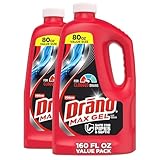
Caustic gel cleaners are the most tempting budget purchase because one bottle appears cheaper than a tool. They can work on some hair and soap buildup, particularly in a slow drain that still has some flow. They are less dependable on a fully blocked drain, grease-heavy kitchen lines, or clogs caused by an object.
Never mix drain cleaner with bleach, vinegar, ammonia, another drain product, or a toilet cleaner. Do not plunge immediately after adding chemicals; the liquid can splash back into your face or onto your skin. Read the label, ventilate the room, wear eye protection and chemical-resistant gloves, and keep children and pets away. If you plan to remove a P-trap or use an auger, tell anyone working on the plumbing that cleaner was added.
If you choose a chemical option, compare the active ingredient and intended use rather than the bottle size alone. A liquid gel drain cleaner for hair clogs is more suitable for a bathroom drain than a broad “all-purpose” claim. The cheapest bottle is not a bargain if it takes two or three applications or leaves caustic residue in the trap.
The best affordable setup for most homes
For basic clogs, buy a flat-bottom plunger, a plastic hair-removal tool, and a compact hand auger. Expect to spend approximately $30 to $50 for all three. That is more upfront than a single bottle, but the tools can handle different failure modes and remain useful for years.
If you can buy only one item, choose based on the symptom. Pick a plunger for a sudden sink or tub blockage. Pick a hair tool for a shower that has been draining slowly for weeks. Pick an auger when plunging has failed, the clog returns quickly, or water backs up in more than one fixture.
For grease in a kitchen drain, do not pour boiling water into a drain with PVC fittings or a questionable older system. Very hot tap water, dish detergent, and mechanical clearing are safer starting points. Repeated grease blockages may indicate buildup farther down the branch line, where a small bottle of cleaner is unlikely to solve the problem.
When enzyme products are worth the money
Enzyme or bacterial drain treatments are maintenance products, not emergency uncloggers. They may reduce odor and help digest small amounts of organic residue when used regularly. A typical treatment costs about $10 to $20 and may require weekly or monthly applications. That makes it more expensive over a year than a manual tool, but it is a reasonable low-risk option for a drain that is merely sluggish.
Look for a drain enzyme cleaner for maintenance if the goal is odor control or prevention. Do not expect it to clear a tub full of standing water within an hour. Mechanical cleaning is still the better value for an active clog.
When to buy and when to call for help
Drain tools are easiest to find before seasonal demand spikes. Buy a basic kit in late summer or early fall, before holiday cooking increases kitchen grease and before winter guests put extra demand on bathroom plumbing. Retailers often bundle plungers, gloves, and small augers during home-maintenance promotions, but a bundle is worthwhile only if it includes a properly shaped plunger and a useful cable length.
Stop using household cleaners and call a plumber when multiple fixtures back up, sewage appears, the clog returns within days, or a cable will not pass. Those symptoms suggest a main-line blockage, collapsed pipe, or root intrusion. Spending another $10 on chemicals at that point usually delays the repair rather than reducing its cost.